

What is a Broad Bean Pneumatic Conveying System? And What Are Its Design Principles?
For businesses involved in the processing and handling of broad beans, understanding the mechanics and design principles of pneumatic conveying systems is crucial. These systems offer an efficient, hygienic, and flexible method for transporting bulk materials like broad beans from one location to another within a processing facility. The following overview aims to explain what a broad bean pneumatic conveying system entails and the key design principles that govern its operation.
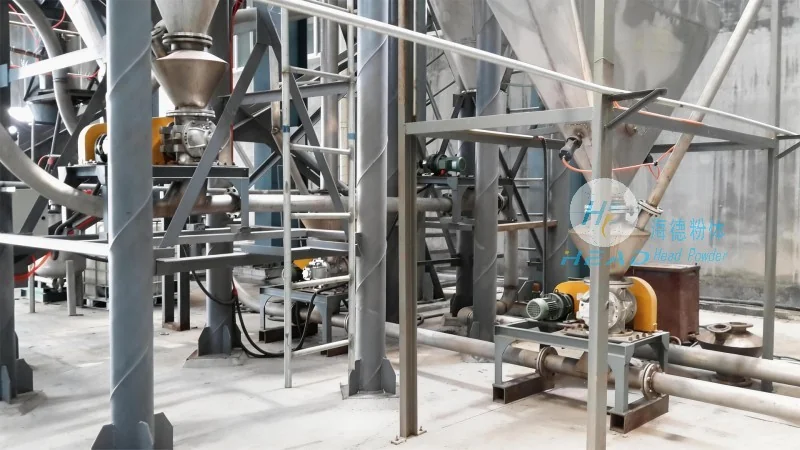
Understanding the Core Components of a Broad Bean Pneumatic Conveying System
A broad bean pneumatic conveying system typically consists of several essential components that work in tandem to move the material. The primary elements include a hopper or feeder to introduce the broad beans into the system, a conveying line (either positive or negative pressure), a separator to remove air and any entrained particles, and a discharge point where the broad beans are deposited. Each component plays a vital role in ensuring the system operates smoothly and efficiently. The hopper is designed to feed the broad beans at a consistent rate, preventing blockages and maintaining a steady flow. The conveying line, which can be either a positive pressure system (where air is blown through the material) or a negative pressure system (where air is drawn through the material), is responsible for the actual movement of the broad beans. The separator, often a cyclone or a bag filter, is critical for maintaining air quality and preventing contamination of the product. Finally, the discharge point ensures the broad beans are deposited in the desired location without spillage or loss.

Design Principles for Optimal Performance
The design of a broad bean pneumatic conveying system is guided by several key principles to ensure it meets the specific needs of the processing operation. One of the most important principles is the selection of the appropriate conveying velocity. The velocity must be high enough to prevent the material from settling or caking in the line but low enough to avoid excessive wear and tear on the equipment. This balance is achieved by calculating the required velocity based on the particle size, density, and flow characteristics of the broad beans. Another critical design principle is the system's pressure drop. The pressure drop across the conveying line must be minimized to reduce energy consumption and prevent excessive wear on the pump or fan. This is achieved by using smooth, well-maintained pipes and avoiding sharp bends or restrictions that could cause turbulence or blockages. Additionally, the system's capacity must be matched to the production requirements. Overdesigning the system can lead to unnecessary energy costs, while underdesigning can result in bottlenecks and reduced efficiency. The design must also consider the hygienic requirements of the broad bean processing industry. Components such as the hopper, feeder, and separator must be easy to clean and maintain to prevent contamination and ensure compliance with food safety regulations. This often involves using materials like stainless steel and designing components with smooth surfaces and no crevices where bacteria could accumulate.

Benefits of Using a Broad Bean Pneumatic Conveying System
Implementing a pneumatic conveying system for broad beans offers numerous benefits that enhance the overall efficiency and quality of the processing operation. One of the primary advantages is the hygienic nature of the system. Unlike mechanical conveyors, which can trap dust and debris, pneumatic systems keep the broad beans enclosed, reducing the risk of contamination from external sources. This is particularly important in the food processing industry, where maintaining product purity is paramount. Another significant benefit is the flexibility of the system. Pneumatic conveying systems can be easily reconfigured to handle different types of bulk materials or to adjust the flow rate as production needs change. This adaptability makes them ideal for processing facilities that handle a variety of products or experience fluctuating demand. Additionally, pneumatic systems are generally more energy-efficient than mechanical alternatives, as they can use less power to move the material over longer distances. This leads to lower operational costs and a smaller environmental footprint. Finally, the system's ability to handle broad beans without causing damage is another key benefit. The gentle handling of the material ensures that the broad beans retain their quality, including their texture and nutritional value, which is essential for maintaining product quality and customer satisfaction.
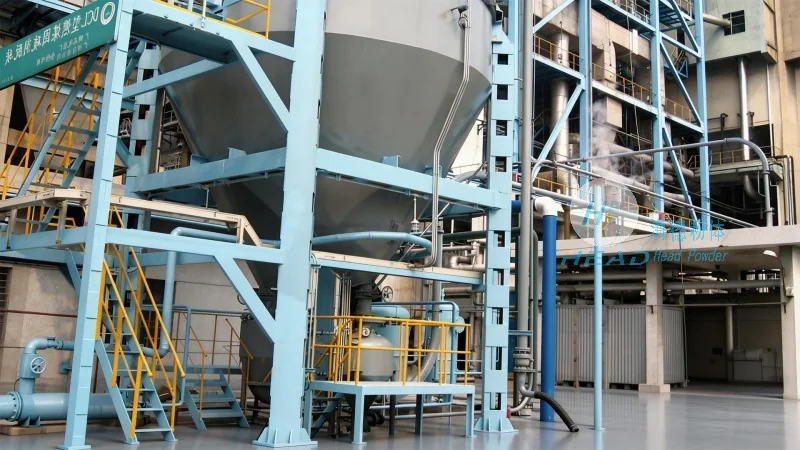
Conclusion and Company Overview
In conclusion, a broad bean pneumatic conveying system is a sophisticated and efficient solution for transporting broad beans in processing facilities. By understanding the core components and design principles, businesses can select and implement a system that meets their specific operational needs. The benefits of such a system, including improved hygiene, flexibility, energy efficiency, and product quality, make it a valuable investment for any broad bean processing operation. As a leading provider in the industry, Shandong HeadPowder Engineering Co., Ltd. specializes in designing and manufacturing high-quality pneumatic conveying systems tailored to the unique requirements of broad bean processing. With a focus on precision engineering and adherence to industry standards, HeadPowder ensures that their systems deliver reliable performance and long-term value to their clients. Based in Shandong, China, HeadPowder leverages its expertise and local resources to deliver innovative solutions that enhance the efficiency and productivity of food processing operations worldwide.