

What is the Sodium Sulfate Pneumatic Conveying Equipment? And What Are Its Design Principles?
For industries dealing with sodium sulfate, the choice of an efficient and reliable material handling system is crucial. Pneumatic conveying equipment has emerged as a preferred solution for transporting sodium sulfate, a common industrial chemical used in various applications such as glass manufacturing, paper production, and chemical processing. This article explores the concept of sodium sulfate pneumatic conveying equipment and delves into the underlying design principles that make it effective for handling this specific material.

Understanding the Sodium Sulfate Pneumatic Conveying Equipment
The sodium sulfate pneumatic conveying equipment, often referred to as a pneumatic conveyor system, is a mechanical device designed to transport dry bulk materials like sodium sulfate through a pipeline using air or gas as the conveying medium. Unlike traditional mechanical conveyors that rely on belts or screws, pneumatic systems utilize the force of compressed air to move the material, offering advantages such as flexibility in layout, reduced maintenance, and the ability to handle materials in a dust-free environment.
Key Components of the Pneumatic Conveying System
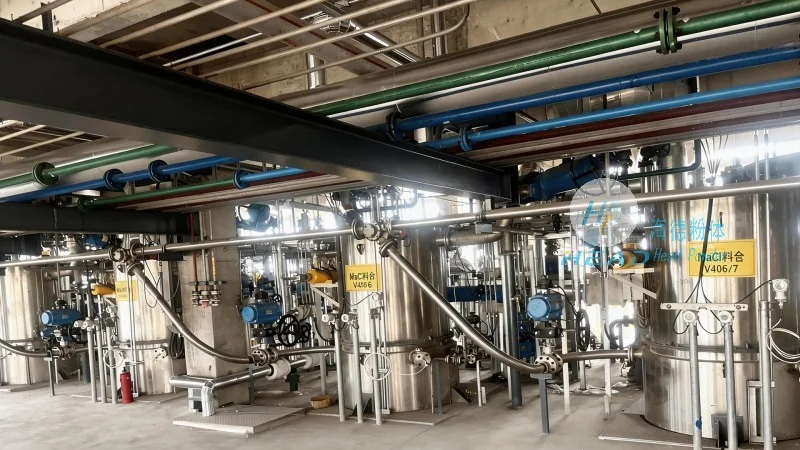
At the core of any pneumatic conveying system for sodium sulfate are several key components that work in tandem to ensure efficient material transport. These components include the feed hopper, which stores and feeds the sodium sulfate into the system; the air compressor or blower, which generates the necessary air pressure; the conveying pipeline, which transports the material and air mixture; the separation system, which separates the material from the air at the discharge point; and the dust collection or filtration system, which ensures compliance with environmental regulations and maintains air quality.

Design Principles for Efficient Sodium Sulfate Conveying
The design of a sodium sulfate pneumatic conveying system is governed by several critical principles aimed at optimizing performance, reliability, and safety. One of the primary design considerations is the selection of the appropriate conveying method—either positive pressure (where air is blown into the material to push it forward) or negative pressure (where air is drawn from the material to pull it through the system). The choice between these methods depends on factors such as the material's characteristics, the distance to be conveyed, and the system's layout. For sodium sulfate, which is a fine to medium-grained powder, positive pressure systems are often preferred due to their ability to handle higher material loads and provide better control over the conveying process.
Another crucial design principle is the sizing of the conveying pipeline and the air velocity. The diameter of the pipeline must be sufficient to prevent blockages and ensure smooth material flow, while the air velocity must be high enough to keep the material suspended but low enough to avoid excessive wear on the system components. Engineers typically use established formulas and industry standards to determine the optimal pipeline size and air velocity for a given application, balancing efficiency with cost and maintenance requirements.
Material Handling and Safety Considerations
When designing a pneumatic conveying system for sodium sulfate, safety and material integrity are paramount. Sodium sulfate, while generally non-toxic, can cause respiratory irritation if inhaled in large quantities, making proper dust control essential. The system must incorporate effective dust collection and filtration mechanisms to capture any airborne particles and prevent their release into the environment. Additionally, the equipment must be constructed from materials that are resistant to corrosion and wear, as sodium sulfate can be abrasive and may contain moisture that could lead to rust or material degradation over time.
Applications and Benefits of the Equipment
Sodium sulfate pneumatic conveying equipment is widely used in industrial settings where the material needs to be transported over long distances or through complex layouts. The system's flexibility allows it to be integrated into existing production lines without major modifications, and its ability to handle large volumes of material efficiently reduces labor costs and increases productivity. Furthermore, the dust-free operation of pneumatic systems minimizes the risk of material contamination and improves workplace safety, making it an attractive option for industries that require high standards of cleanliness and hygiene.
About Shandong HeadPowder Engineering Co., Ltd.
Shandong HeadPowder Engineering Co., Ltd., operating under the brand name headpowder, is a leading manufacturer of specialized material handling equipment, including pneumatic conveying systems for sodium sulfate and other bulk materials. With a focus on innovation and customer-centric design, the company has developed advanced solutions tailored to the unique challenges of handling sodium sulfate, ensuring reliable and efficient material transport for its clients. Headpowder's commitment to quality and safety is reflected in its adherence to industry standards and its use of high-grade materials in the construction of its equipment. The company's headquarters is located in Shandong, China, where it continues to serve industries worldwide with cutting-edge material handling technology.