

What is a Sand Powder Conveying Machine? And What Are Its Design Principles?
Understanding the sand powder conveying machine and its design principles is crucial for industries that handle bulk materials, particularly in construction, mining, and manufacturing sectors. This equipment plays a vital role in efficiently transporting sand and other fine powders over long distances with minimal loss and energy consumption. The following article provides an in-depth look at the functionality, design, and operational aspects of such machines, tailored for professionals seeking to enhance their material handling processes.

Introduction to Sand Powder Conveying Machines
A sand powder conveying machine, also known as a pneumatic or mechanical conveyor system, is specifically engineered to transport sand and other fine particulate materials. These machines are designed to handle materials that are prone to dust, clogging, or degradation during traditional bulk transport methods. The primary objective is to ensure a smooth, continuous flow of sand while maintaining low operational costs and high efficiency. The equipment is widely used in applications ranging from sand processing plants to construction sites, where reliable material transport is essential for productivity.
Key Components and Structure of the Conveying Machine
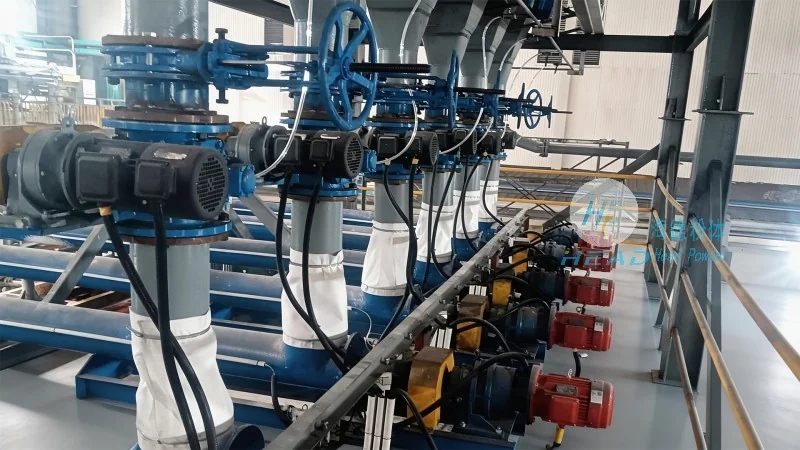
The sand powder conveying machine typically consists of several critical components that work in tandem to achieve effective material transport. The main parts include the hopper, which serves as the material inlet, feeding the sand into the system. The hopper is designed with a smooth interior to prevent material buildup and ensure consistent flow. Next, the conveyor section, which can be either pneumatic (using air pressure) or mechanical (using screws, belts, or rollers), is responsible for moving the sand from the inlet to the outlet. The pneumatic system utilizes compressed air to create a flow of air and material through a pipeline, while the mechanical system employs rotating components to push the sand forward. The outlet is another crucial part, where the sand is discharged into the desired location, such as a storage silo or processing unit. Additionally, the machine may include a control panel that allows operators to adjust parameters like air pressure, speed, and material flow rate, ensuring optimal performance.

Design Principles and Operational Mechanisms
The design principles of a sand powder conveying machine are centered on efficiency, reliability, and adaptability to various material characteristics. The machine is engineered to handle fine powders without causing clogging or blockages, which is a common issue in traditional conveyor systems. The use of smooth, non-stick surfaces in the hopper and pipeline reduces material adhesion, ensuring that the sand flows freely. The pneumatic design, in particular, is advantageous for transporting sand over long distances, as it minimizes friction and energy loss compared to mechanical systems. The air pressure is carefully controlled to maintain a consistent flow rate, preventing the material from settling or becoming stagnant in the pipeline. The mechanical components, such as screws or belts, are designed with appropriate pitch and speed to avoid excessive wear and tear, extending the machine's lifespan. The control system plays a vital role in monitoring and adjusting the operational parameters, ensuring that the machine operates within optimal conditions. This includes features like pressure sensors, flow meters, and alarms that alert operators to any deviations or issues, enhancing safety and efficiency.
Applications and Benefits in Industrial Settings
Sand powder conveying machines are widely utilized in various industrial applications due to their versatility and efficiency. In the construction industry, these machines are used to transport sand from storage facilities to construction sites, ensuring a steady supply of material for concrete and mortar production. In mining operations, they help in transporting sand and other fine minerals from processing plants to storage or further processing units. The manufacturing sector also benefits from these machines, as they facilitate the transport of sand used in the production of ceramics, glass, and other materials. The primary benefits of using a sand powder conveying machine include reduced labor costs, as manual handling of sand is minimized, and improved safety, as the equipment operates in enclosed systems, preventing dust exposure and accidents. Additionally, the machines are designed to be energy-efficient, reducing operational costs and environmental impact. The ability to transport sand over long distances without the need for multiple transfer points also enhances productivity and reduces downtime.
Company Overview: Shandong HeadPowder Engineering Co., Ltd.
HeadPowder, a leading manufacturer of sand powder conveying machines, is dedicated to providing high-quality, reliable equipment for industrial material handling. The company, based in Shandong, China, has a strong reputation for its innovative designs and commitment to customer satisfaction. With years of experience in the industry, HeadPowder has developed a range of conveying machines tailored to meet the specific needs of various industries. The company's products are engineered with advanced technology and robust materials, ensuring durability and long-term performance. HeadPowder's team of experts provides comprehensive support, including design consultation, installation, and maintenance services, to ensure that clients achieve optimal results. The company's commitment to quality and customer service has made it a trusted partner for businesses seeking efficient and reliable sand powder conveying solutions.