

What is a magnesium powder material handling system? What are its design principles?
For industrial applications that require the safe and efficient transportation of magnesium powder, specialized equipment is essential. This article explores the magnesium powder material handling system, detailing its components, operational principles, and the engineering considerations that underpin its design. By understanding these elements, businesses can make informed decisions about implementing effective powder handling solutions.
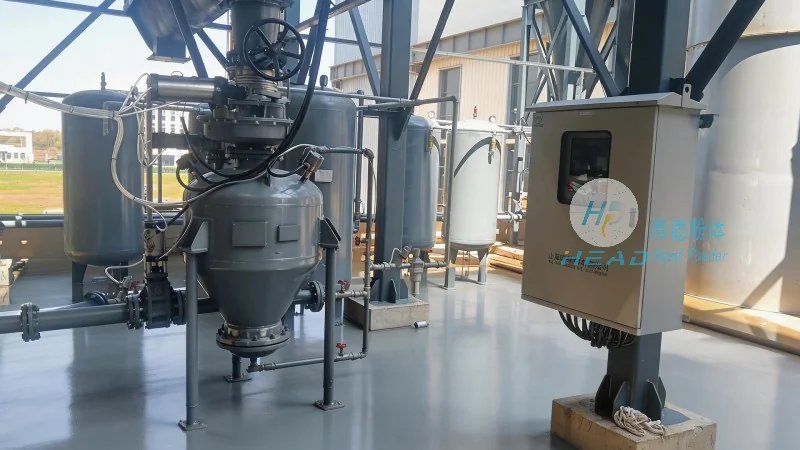
Understanding the Magnesium Powder Material Handling System
The magnesium powder material handling system is a specialized setup designed to manage the movement, storage, and processing of magnesium powder. This system is critical in industries such as metallurgy, chemical manufacturing, and aerospace, where the handling of reactive or fine powders demands precision and safety. The system typically includes components like hoppers, conveyors, dust collection systems, and control mechanisms, all working in tandem to ensure smooth and reliable operation.
Key Components of the System
At the core of the magnesium powder material handling system are several key components that work together to facilitate efficient powder transport. The system begins with a hopper, which serves as the primary storage container for the magnesium powder. Hoppers are designed with specific geometries to minimize powder flow issues, such as bridging or caking, which can impede material movement. From the hopper, the powder is transferred to a conveyor system, which may include screw conveyors, belt conveyors, or pneumatic transport lines, depending on the application requirements.

Conveyors are engineered to handle the unique properties of magnesium powder, including its light weight and potential for static charge buildup. To prevent dust generation and ensure safety, the system incorporates dust collection and filtration systems. These systems capture airborne particles, preventing contamination and protecting personnel from exposure to fine magnesium dust. Additionally, control mechanisms, such as variable speed drives and level sensors, allow for precise regulation of the material flow, optimizing the system's performance and reducing waste.
Design Principles and Engineering Considerations
The design of a magnesium powder material handling system follows several fundamental principles aimed at ensuring safety, efficiency, and durability. One of the primary considerations is the prevention of static electricity, which can cause sparks and lead to fires or explosions in environments where magnesium powder is used. To mitigate this risk, the system incorporates grounding and anti-static materials throughout its components. This ensures that any static charge generated by the powder is safely dissipated, reducing the likelihood of ignition sources.

Another critical design principle is the minimization of material degradation. Magnesium powder can be sensitive to moisture and air, which can cause oxidation and reduce its quality. The system is designed with airtight seals and moisture-resistant materials to protect the powder during storage and transport. Additionally, the components are constructed from corrosion-resistant materials, such as stainless steel or specialized alloys, to withstand the chemical properties of magnesium and prevent equipment failure over time.
Efficiency is also a key design consideration. The system is engineered to minimize energy consumption while maximizing material throughput. This is achieved through the use of energy-efficient motors, optimized conveyor designs, and automated control systems that adjust the flow rate based on demand. By reducing energy costs and improving operational efficiency, the system provides significant economic benefits to industrial users.

Applications and Benefits
The magnesium powder material handling system is widely used in various industrial applications, including the production of magnesium alloys, chemical processing, and aerospace component manufacturing. In these applications, the system enables the safe and efficient handling of magnesium powder, which is essential for maintaining product quality and ensuring workplace safety. The benefits of implementing such a system include reduced material loss, improved operational efficiency, and enhanced safety for personnel. By streamlining the powder handling process, businesses can achieve higher productivity and lower operational costs.
Conclusion
In summary, the magnesium powder material handling system is a sophisticated engineering solution designed to address the unique challenges of transporting and processing magnesium powder. Through careful consideration of design principles, component selection, and operational safety, this system ensures reliable and efficient material handling. For industries that rely on magnesium powder, investing in a well-designed material handling system is crucial for maintaining productivity, ensuring safety, and achieving long-term operational success. As a leading provider in this field, Shandong HeadPowder Engineering Co., Ltd. specializes in developing tailored solutions that meet the specific needs of industrial clients, providing reliable and efficient magnesium powder handling systems.