

What is a Dry Powder Pneumatic Conveying System? Understanding Its Design Principles
When it comes to transporting dry powders and particulate materials efficiently and safely, pneumatic conveying systems have become a cornerstone in various industrial applications. These systems utilize air or other gases to move bulk materials from one location to another, offering advantages such as minimal contamination, reduced labor costs, and the ability to handle a wide range of materials. At the heart of this technology lies the dry powder pneumatic conveying system, a specialized setup designed to handle fine powders and dusts with precision and reliability.
What is a Dry Powder Pneumatic Conveying System?
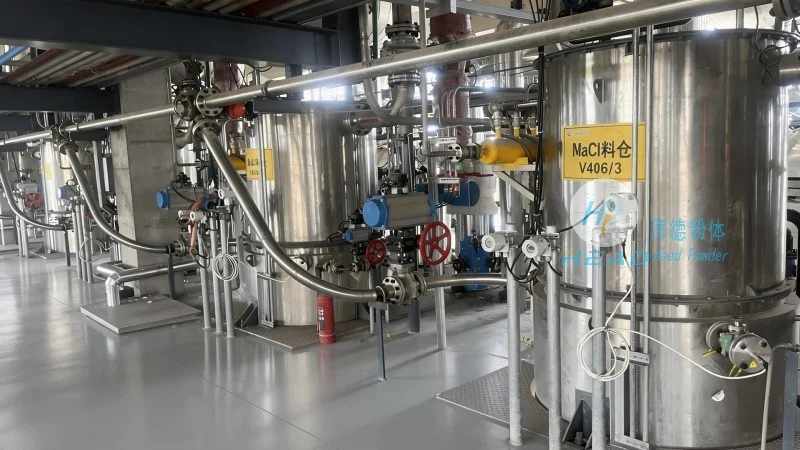
A dry powder pneumatic conveying system is a mechanical system that uses pressurized air or vacuum to transport dry powders and other particulate materials. Unlike traditional methods like belt conveyors or bucket elevators, pneumatic systems can handle materials that are difficult to transport due to their fine particle size, high dust content, or tendency to clog. The system typically consists of a hopper, a conveying line (often with bends and elbows), a receiver, and a control unit. The material is fed into the hopper, and then air is introduced to create a flow that carries the powder through the system to the desired destination. This method is widely used in industries such as pharmaceuticals, food processing, chemical manufacturing, and mining, where maintaining product integrity and preventing contamination is critical.
Key Design Principles of Dry Powder Pneumatic Conveying Systems
The effectiveness of a dry powder pneumatic conveying system depends heavily on its design, which must consider several critical factors to ensure optimal performance and reliability. The primary design principles include:

- Material Characteristics: The properties of the powder being conveyed, such as particle size, density, moisture content, and flowability, play a crucial role in system design. For example, fine powders with low bulk density may require higher air velocities to maintain a stable flow, while cohesive powders may need special hopper designs to prevent bridging and clogging.
- Conveying Method: There are two main types of pneumatic conveying systems: pressure and vacuum. Pressure systems use positive pressure to push the material through the line, while vacuum systems use negative pressure to pull the material. The choice between these methods depends on the distance, height, and material characteristics. For long-distance or high-rise applications, pressure systems are often preferred due to their ability to maintain consistent flow rates and pressure.
- System Configuration: The layout of the conveying line, including the number and type of bends, elbows, and filters, affects the system's efficiency and maintenance requirements. Properly designed bends and elbows minimize pressure drop and prevent material deposition, which can lead to blockages. Additionally, the inclusion of filters and cyclones is essential to separate the powder from the air and prevent dust contamination in the environment.
- Control and Monitoring: Modern dry powder pneumatic conveying systems incorporate advanced control systems that monitor pressure, flow rate, and material level in real-time. These systems allow for automatic start-up and shutdown, ensuring safe and efficient operation. The control unit may also include features such as overpressure protection and material flow monitoring to prevent system failures and product loss.
Applications and Benefits of Dry Powder Pneumatic Conveying Systems
Dry powder pneumatic conveying systems are versatile and can be applied in a wide range of industries. In the pharmaceutical industry, for example, these systems are used to transport active pharmaceutical ingredients (APIs) and excipients with high precision, ensuring that the final product remains free from contamination and maintains its quality. In the food processing industry, pneumatic conveying is used to handle powders like flour, sugar, and spices, maintaining hygiene standards and preventing cross-contamination. The chemical manufacturing industry also relies on these systems to transport raw materials and finished products, particularly those that are hazardous or sensitive to moisture.
One of the key benefits of dry powder pneumatic conveying systems is their ability to handle materials that are difficult to transport using traditional methods. For instance, powders that are prone to caking or bridging can be effectively managed with the right system design. Additionally, these systems offer cost savings by reducing labor and equipment maintenance compared to manual handling or other bulk transport methods. The minimal contamination and ability to maintain product integrity also make them ideal for applications where product quality is paramount.

About Shandong HeadPowder Engineering Co., Ltd.
Shandong HeadPowder Engineering Co., Ltd., commonly known as HeadPowder, is a leading manufacturer and supplier of dry powder pneumatic conveying systems and related equipment. With a strong commitment to innovation and quality, HeadPowder has established itself as a trusted partner in the industry, providing customized solutions tailored to the specific needs of its clients. The company's headquarters is located in Shandong, China, where it operates a state-of-the-art manufacturing facility equipped with advanced technology and skilled personnel.
HeadPowder specializes in designing and manufacturing a wide range of pneumatic conveying systems, including pressure and vacuum systems, for various industries. The company's products are known for their durability, efficiency, and reliability, meeting the stringent requirements of modern industrial applications. With a focus on customer satisfaction and technical support, HeadPowder provides comprehensive services, from system design and installation to maintenance and troubleshooting. The company's team of engineers and technicians work closely with clients to understand their unique requirements and develop solutions that enhance productivity and safety.