

What is Rare Earth Crystal Powder Material Pneumatic Conveying Equipment? What is its Design Princip
When it comes to handling rare earth crystal powders, efficient and reliable material transport is crucial for industrial processes. This is where rare earth crystal powder material pneumatic conveying equipment comes into play, offering a sophisticated solution for transporting these delicate materials with precision and control. In this article, we will explore what this equipment is and delve into its design principles, providing a comprehensive understanding of its functionality and application.

Introduction to Rare Earth Crystal Powder Pneumatic Conveying Equipment
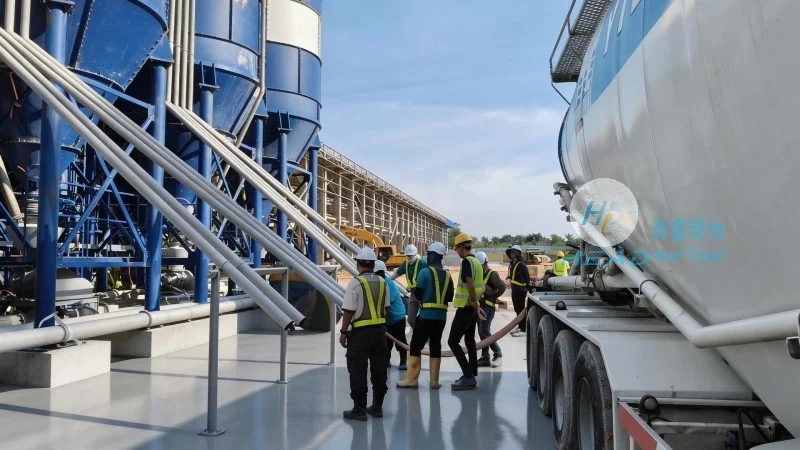
Rare earth crystal powders are essential components in various high-tech industries, including electronics, aerospace, and renewable energy technologies. These powders are characterized by their fine particle size, high reactivity, and sensitivity to moisture and contamination. Conventional material handling methods, such as belt conveyors or bucket elevators, may not be suitable due to the risk of particle degradation, caking, or contamination. Pneumatic conveying equipment provides a dry, closed system that minimizes these risks, making it the preferred choice for transporting rare earth crystal powders. The equipment typically consists of a blower, a hopper for material storage, a conveying line, and a receiver for the discharged material. The entire system operates under a controlled pressure and flow rate, ensuring consistent and safe material transport.
About HeadPowder: A Leading Provider of Pneumatic Conveying Solutions
HeadPowder, or Shandong HeadPowder Engineering Co., Ltd., is a reputable company based in Shandong, China, specializing in the design, manufacturing, and supply of advanced pneumatic conveying equipment. With years of experience in the industry, HeadPowder has developed a range of solutions tailored to the unique requirements of handling rare earth crystal powders and other fine materials. The company's commitment to quality, innovation, and customer satisfaction has established it as a trusted partner for businesses seeking reliable material transport solutions. HeadPowder's products are engineered to meet stringent industry standards, ensuring durability, efficiency, and compliance with safety regulations.

Design Principles of Rare Earth Crystal Powder Pneumatic Conveying Equipment
The design of rare earth crystal powder pneumatic conveying equipment is based on several key principles to ensure optimal performance and material integrity. First, the system operates under a positive pressure, which prevents air leakage and maintains a consistent flow of material. The blower generates the necessary air pressure to move the powder through the conveying line, while the hopper and feeder control the material discharge rate. The conveying line is typically made of materials resistant to corrosion and abrasion, such as stainless steel or special alloys, to withstand the harsh conditions of handling rare earth powders. The receiver is designed to collect the material efficiently, minimizing dust emissions and ensuring a clean discharge. The entire system is equipped with sensors and controls to monitor pressure, flow rate, and material level, allowing for real-time adjustments and process optimization. Additionally, the design incorporates features to prevent material caking and agglomeration, which can occur due to moisture or temperature changes. By maintaining a dry and controlled environment, the equipment ensures the purity and quality of the rare earth crystal powders are preserved throughout the transport process.

Key Components and Their Functions
Understanding the key components of rare earth crystal powder pneumatic conveying equipment is essential for appreciating its design and functionality. The blower is the heart of the system, providing the necessary air pressure to move the material. It is typically a positive displacement blower or a centrifugal fan, selected based on the required flow rate and pressure. The hopper serves as the storage container for the rare earth crystal powders, with a feeder mechanism that controls the material discharge rate. The feeder can be a rotary valve, a screw feeder, or a vibratory feeder, depending on the material's characteristics and the desired flow rate. The conveying line is the pathway through which the material and air travel, and it is designed to minimize pressure drop and ensure smooth flow. The receiver is the final component, where the material is collected and discharged. It is equipped with a dust collection system to prevent air leakage and maintain a clean environment. The control system integrates all components, allowing for automated operation and monitoring of the entire process. Each component is carefully selected and designed to work in harmony, ensuring the efficient and reliable transport of rare earth crystal powders.