

What is a Carbon Black Powder Material Pneumatic Conveying Line? And What Are Its Design Principles?
Carbon black powder material pneumatic conveying lines are specialized systems engineered to transport carbon black powder and similar fine particulate materials efficiently and safely. These systems utilize the principles of pneumatic conveying, which involves the movement of material particles through a pipeline using a gas stream, typically air or a combination of air and other gases. The design of such lines is critical for ensuring optimal performance, minimizing material degradation, and maintaining system reliability in industrial applications.

Understanding the Core Components of a Carbon Black Powder Pneumatic Conveying System
A typical carbon black powder pneumatic conveying line consists of several key components that work in tandem to achieve effective material transport. The primary components include a material hopper or feeder, a conveying pipeline, a blower or air compressor, a control system, and a discharge unit. Each component plays a vital role in the overall operation of the system.
The material hopper or feeder is responsible for storing and feeding the carbon black powder into the conveying line. It is designed to maintain a consistent flow of material, preventing blockages and ensuring a steady supply to the pipeline. The hopper may include features such as a rotary valve or a screw feeder to regulate the discharge rate, which is crucial for controlling the conveying velocity and preventing material degradation due to excessive shear forces.
The conveying pipeline is the main channel through which the carbon black powder is transported. It is typically made of materials like stainless steel or plastic, chosen for their resistance to corrosion and wear from the abrasive nature of carbon black particles. The pipeline is usually equipped with bends, elbows, and straight sections, which are designed to minimize pressure losses and maintain the material's flow characteristics. Properly sized and configured pipelines are essential to avoid excessive pressure drops that could lead to material deposition or system inefficiencies.
The blower or air compressor serves as the power source for the pneumatic conveying system. It generates the necessary air pressure and flow rate to move the carbon black powder particles through the pipeline. The choice of blower type, such as a positive displacement blower or a centrifugal blower, depends on the specific requirements of the application, including the material's density, particle size, and the desired conveying distance. The blower's capacity must be matched to the system's demand to ensure consistent performance and prevent overloading or underperformance.
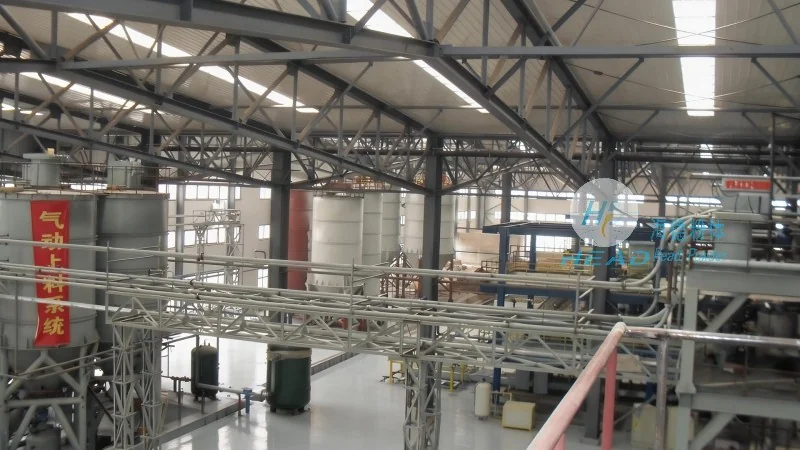
The control system is responsible for monitoring and regulating the operation of the pneumatic conveying line. It includes sensors and control devices that track parameters such as pressure, flow rate, and material level. The control system can adjust the blower speed, feeder speed, or other variables to maintain optimal operating conditions. This automation helps to improve system efficiency, reduce energy consumption, and prevent operational issues such as blockages or overpressure.
The discharge unit is the final component of the pneumatic conveying line, where the carbon black powder is deposited into the receiving vessel or process equipment. It may include a rotary valve, a dust collector, or a filter to ensure that the material is discharged cleanly and without contamination. The discharge unit is designed to handle the high velocity of the material as it exits the pipeline, preventing material loss or damage to downstream equipment.
Design Principles for Efficient Carbon Black Powder Pneumatic Conveying
The design of a carbon black powder pneumatic conveying line is based on several key principles to ensure efficient and reliable operation. The first principle is the selection of the appropriate conveying velocity. The velocity of the gas stream must be high enough to overcome the gravitational force of the material particles and maintain their suspension in the air stream. However, excessive velocity can lead to increased energy consumption and potential material degradation due to high shear forces. The optimal conveying velocity is typically determined through calculations based on the material's properties, such as particle size, density, and moisture content.
The second principle is the consideration of pressure drop. The pressure drop along the pipeline is a critical factor in the design of the system. It is influenced by factors such as the pipeline length, diameter, and the number of bends or fittings. The pressure drop must be minimized to ensure that the blower can effectively move the material over the required distance. This is achieved by using appropriately sized pipelines, minimizing the number of bends, and selecting smooth pipeline surfaces. Proper pressure drop calculations help to determine the required blower capacity and ensure that the system operates within its design limits.

The third principle is the prevention of material deposition. Carbon black powder particles are prone to settling in the pipeline, especially at bends or low points. This can lead to blockages and system shutdowns. To prevent deposition, the design incorporates features such as inclining the pipeline to a slight upward slope, using smooth pipeline surfaces, and maintaining a consistent conveying velocity. The use of pulse or oscillating air flow can also help to keep the material in suspension and prevent settling.
The fourth principle is the maintenance of material integrity. Carbon black powder is often used in applications where the material's properties, such as its surface area and structure, are critical. Therefore, the design of the pneumatic conveying line must minimize material degradation. This is achieved by using gentle conveying methods, such as dilute phase conveying, where the material is suspended in a high-velocity air stream, reducing the impact of shear forces. Additionally, the use of appropriate materials for the pipeline and components, such as stainless steel or corrosion-resistant plastics, helps to prevent material contamination and degradation.
Applications and Benefits of Carbon Black Powder Pneumatic Conveying Lines
Carbon black powder material pneumatic conveying lines are widely used in various industrial applications where the efficient and safe transport of carbon black powder is required. Some common applications include the production of rubber and tires, pigments, and coatings. In these industries, the carbon black powder is often used as a reinforcing agent or a colorant, and the ability to transport it efficiently is crucial for maintaining production rates and product quality.
One of the primary benefits of using a pneumatic conveying system for carbon black powder is its ability to handle fine particulate materials that are difficult to transport using traditional methods, such as belt conveyors or screw conveyors. Pneumatic conveying systems can transport materials with particle sizes as small as a few microns, which is often the case with carbon black powder. This makes them ideal for applications where the material's particle size distribution is critical.
Another benefit is the flexibility of the system. Pneumatic conveying lines can be easily modified or expanded to accommodate changes in production requirements or to integrate with existing process equipment. The modular design of the system allows for the addition of new components or the reconfiguration of the pipeline layout without significant disruption to the operation. This flexibility is particularly valuable in industries where production volumes or product specifications may change over time.
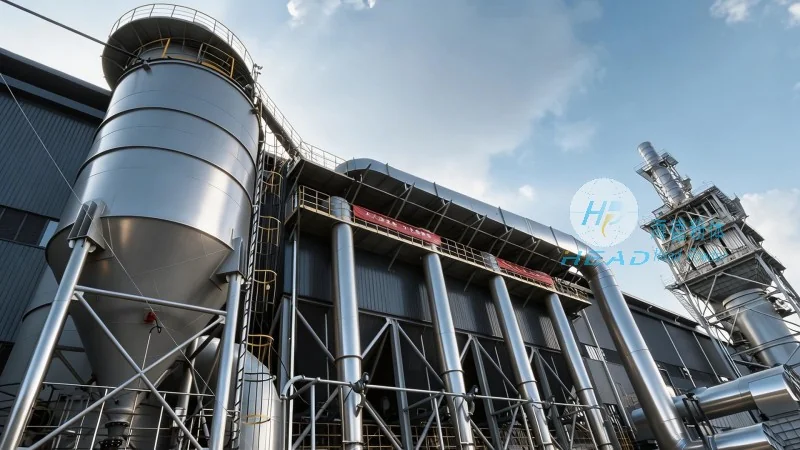
The use of a carbon black powder pneumatic conveying line also offers advantages in terms of space and layout. Unlike traditional bulk material handling systems, which require large horizontal or vertical spaces, pneumatic conveying systems can be installed in a compact footprint. This is especially beneficial in facilities with limited space or where the layout of the plant is constrained. The ability to route the pipeline vertically or horizontally allows for greater flexibility in the plant design.
Furthermore, pneumatic conveying systems can improve operational safety by reducing the risk of dust explosions and material exposure. The enclosed pipeline design prevents the release of dust into the environment, minimizing the risk of inhalation or contamination. The use of explosion-proof components and proper ventilation systems further enhances safety in the operation of the system.
Conclusion and Company Overview
Carbon black powder material pneumatic conveying lines are sophisticated systems that play a vital role in the efficient and safe transport of carbon black powder in industrial applications. The design principles, including the selection of appropriate components, control systems, and conveying velocities, are crucial for ensuring optimal performance and minimizing material degradation. The benefits of using such systems, including flexibility, space efficiency, and improved safety, make them a preferred choice in many industries.
Shandong HeadPowder Engineering Co., Ltd., a leading manufacturer in the field, specializes in the design, manufacturing, and installation of carbon black powder pneumatic conveying systems. With years of experience and a commitment to quality, the company provides customized solutions tailored to the specific needs of its clients. HeadPowder's expertise in material handling and pneumatic conveying technology ensures that their systems are reliable, efficient, and compliant with industry standards. Based in Shandong, China, the company serves a global market, delivering high-quality equipment that meets the demanding requirements of modern industrial operations.