

What is a Calcium Phosphate Material Pneumatic Conveying Machine? What are its Design Principles?
For industrial operations dealing with calcium phosphate materials, efficient and reliable material handling solutions are crucial. A key piece of equipment in this domain is the calcium phosphate material pneumatic conveying machine. This article will explore what this machine is and delve into its fundamental design principles, providing insights into how it operates and its significance in material transport processes.

Understanding the Calcium Phosphate Material Pneumatic Conveying Machine
The calcium phosphate material pneumatic conveying machine is a specialized device designed to transport calcium phosphate powders or granules through a pneumatic system. This equipment is widely used in industries such as chemical manufacturing, pharmaceuticals, and food processing, where the handling of fine or dusty materials requires precision and control. The machine operates by using compressed air or other gases to create a flow that moves the material from a source to a destination, eliminating the need for mechanical components like belts or screws that might be prone to wear or contamination.
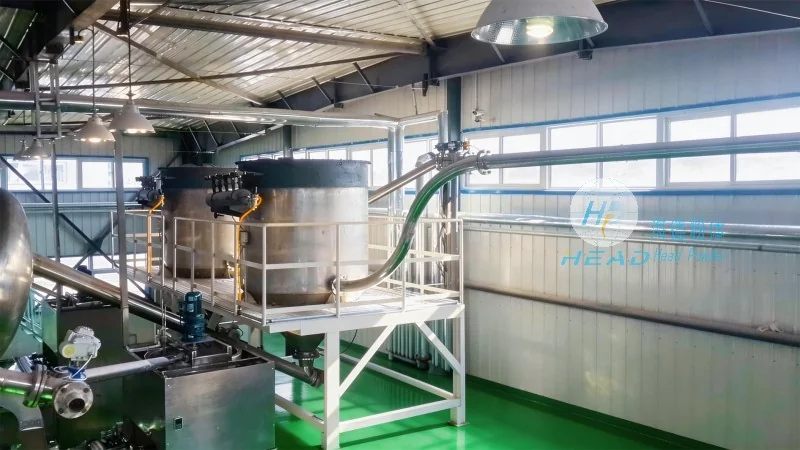
Key components of this machine typically include a hopper for material storage, a feeder to control the flow rate, a conveying line (often equipped with bends or elbows), and a receiver for the material at the end of the line. The entire system is designed to maintain consistent air pressure and flow rates, ensuring that the material is transported smoothly without clogging or degradation. The choice of materials for the machine's internal parts is critical, as calcium phosphate materials can be abrasive and may cause corrosion in certain environments. Therefore, components are often made from stainless steel or other corrosion-resistant materials to ensure durability and longevity.
Design Principles of the Calcium Phosphate Material Pneumatic Conveying Machine
The design of a calcium phosphate material pneumatic conveying machine is guided by several key principles aimed at optimizing performance, efficiency, and reliability. One of the primary principles is the maintenance of a consistent air velocity within the conveying line. This is essential to prevent material settling or clogging, as low air velocities can cause the material to fall out of suspension, leading to blockages. Engineers typically calculate the required air velocity based on the material's properties, such as its particle size, density, and flowability, to ensure that the material remains suspended throughout the transport process.
Another critical design principle is the control of pressure differentials. The machine must maintain a sufficient pressure drop between the inlet and outlet to generate the necessary force to move the material. This pressure differential is achieved through the use of appropriate air compressors and pressure regulators, which ensure that the system operates within safe and efficient parameters. The design also considers the need for proper sealing and filtration to prevent dust leakage and maintain air quality, which is particularly important in environments where dust can be hazardous or affect product quality.

The system's layout and the selection of components are also influenced by the specific characteristics of calcium phosphate materials. For example, the hopper design may incorporate features like agitators or vibrators to prevent material bridging or caking, which can occur with certain types of calcium phosphate powders. The feeder mechanism is often adjustable to accommodate varying material flow rates, allowing for flexibility in production processes. Additionally, the conveying line may include features such as cyclones or filters to separate any entrained air from the material, ensuring that the material is delivered in a dry and clean state at the receiver.
Applications and Benefits of the Calcium Phosphate Material Pneumatic Conveying Machine
The calcium phosphate material pneumatic conveying machine offers several advantages over traditional mechanical conveying methods. One of the main benefits is the ability to transport materials in a closed system, which minimizes dust exposure and improves workplace safety. This is particularly important in industries where calcium phosphate dust can be harmful to workers or affect product purity. The closed system also helps maintain product integrity, as it prevents contamination from external sources and reduces the risk of material degradation due to exposure to air or moisture.
Another advantage is the flexibility of the system, which can be easily adapted to different production requirements. The pneumatic conveying system can handle varying material flow rates and can be integrated with other equipment, such as mixers or reactors, to form a complete production line. This adaptability makes it suitable for both small-scale and large-scale operations, allowing manufacturers to scale their processes as needed.

The machine also offers cost savings in the long run. By reducing the need for manual handling and minimizing material loss due to clogging or spillage, the system can lower operational costs and improve overall efficiency. Additionally, the use of corrosion-resistant materials in the construction of the machine ensures that it has a longer service life, reducing the need for frequent replacements and maintenance.
Conclusion
In conclusion, the calcium phosphate material pneumatic conveying machine is a vital piece of equipment for industries dealing with calcium phosphate materials. Its design is based on principles that ensure efficient, reliable, and safe material transport. By understanding the components and design principles of this machine, manufacturers can make informed decisions about implementing such systems in their operations, ultimately improving productivity and maintaining product quality. As a leading provider in this field, Shandong HeadPowder Engineering Co., Ltd. specializes in the design and manufacturing of these machines, leveraging years of experience to deliver high-quality solutions tailored to the specific needs of their clients.