

Working Principle and Characteristics of Dry Powder Pneumatic Conveying
Understanding the working principle and characteristics of dry powder pneumatic conveying is crucial for industries that rely on efficient material handling solutions. This article delves into the fundamental mechanisms and key attributes of this technology, presented by Shandong HeadPowder Engineering Co., Ltd., a leading provider in the field. The company, known as HeadPowder, specializes in engineering and manufacturing systems that facilitate the transport of dry powders through pneumatic means, offering tailored solutions for diverse industrial needs.
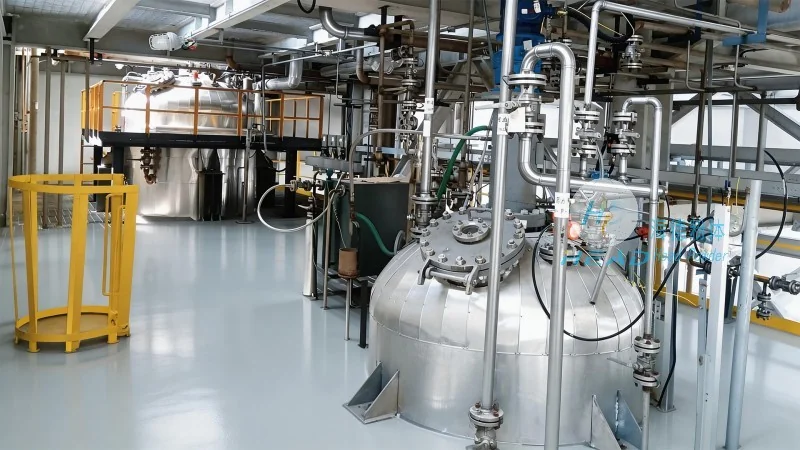
Working Principle of Dry Powder Pneumatic Conveying
Dry powder pneumatic conveying operates by transporting particulate materials through a pipeline using a gas stream, typically air or other gases. The process involves several key steps that ensure effective material movement and system efficiency. First, the dry powder is introduced into the conveying line, often via a hopper or feeder. Then, a high-pressure air stream is generated and directed through the pipeline, creating a flow that lifts and transports the powder particles. The gas stream's velocity and pressure are carefully controlled to maintain a stable, continuous flow without causing excessive wear or degradation of the material. The system may include components such as a blower, filter, and receiver to manage the air flow and collect the conveyed material. This method allows for the transport of dry powders over varying distances and heights, making it suitable for diverse industrial applications. The blower provides the necessary pressure to move the air and powder mixture, while the filter removes any particulate matter from the exhaust air, ensuring compliance with environmental regulations. The receiver, or collection hopper, stores the conveyed material until it is ready for further processing or use. Each component is designed to work in harmony, optimizing the overall performance of the system.

Key Characteristics of Dry Powder Pneumatic Conveying Systems
Several distinct characteristics define dry powder pneumatic conveying systems, each contributing to their effectiveness and suitability for specific applications. One primary characteristic is the ability to handle a wide range of dry powders, including fine, cohesive, or abrasive materials. The system's design accommodates different particle sizes and flow properties, ensuring reliable performance. Another important feature is the flexibility in system configuration, as it can be tailored to various operational needs, such as horizontal, vertical, or combined (horizontal-vertical) conveying. This adaptability allows for integration into existing production lines or new installations. Additionally, dry powder pneumatic conveying offers advantages in terms of hygiene and contamination control, as the enclosed system prevents dust from escaping into the environment. The technology also provides energy efficiency, as the air stream can be optimized to minimize power consumption while maintaining optimal conveying rates. Furthermore, the system's compact design and reduced space requirements make it suitable for facilities with limited floor space. These characteristics collectively make dry powder pneumatic conveying a preferred choice for industries seeking efficient, reliable, and environmentally friendly material handling solutions. The system's ability to handle different powder types without the need for additional equipment makes it a versatile solution for various production processes.

Applications and Benefits in Industrial Settings
Dry powder pneumatic conveying systems are widely utilized across various industries due to their versatility and efficiency. In the pharmaceutical sector, for example, the enclosed system ensures product purity and compliance with regulatory standards. The food industry benefits from the hygienic design, which prevents cross-contamination and maintains product quality. The chemical industry uses these systems to transport abrasive or reactive powders safely, reducing the risk of accidents. Manufacturing and processing plants also rely on dry powder pneumatic conveying for efficient material transfer between production stages. The benefits extend beyond material handling, as the technology contributes to improved operational efficiency and reduced downtime. By minimizing material loss and optimizing flow rates, the system enhances overall productivity. Additionally, the reduced need for manual handling of powders improves workplace safety and reduces labor costs. These applications and benefits highlight the importance of understanding the working principle and characteristics of dry powder pneumatic conveying for optimizing industrial processes. The technology's ability to handle high volumes of material in a continuous manner further enhances its appeal, making it an essential component in modern industrial operations.