

Principles and Application Scenarios of Long-Distance Pneumatic Conveying Systems
HeadPowder, a leading provider of industrial conveying solutions, specializes in the design, manufacturing, and installation of long-distance pneumatic conveying systems. Based in Shandong, China, the company leverages advanced engineering and technology to deliver efficient, reliable, and cost-effective material handling solutions for various industries.

About HeadPowder: Pioneering Pneumatic Conveying Solutions
HeadPowder Engineering Co., Ltd. is a professional enterprise dedicated to the research, development, and application of pneumatic conveying technology. With a strong focus on innovation and customer satisfaction, the company has established itself as a trusted partner in the material handling sector. The company’s headquarters is located in Shandong, China, where it operates a state-of-the-art facility for product development and manufacturing.
Fundamentals of Pneumatic Conveying Technology
Pneumatic conveying systems utilize compressed air or gas to transport bulk materials from one location to another. The core principle involves creating a pressure differential between the conveying line and the ambient environment, which propels the material through the system. There are two primary types of pneumatic conveying: dilute-phase and dense-phase. Dilute-phase systems operate at higher velocities and lower pressure, suitable for short to medium distances and low to medium material densities. Dense-phase systems, on the other hand, use lower velocities and higher pressure to move material in a more controlled manner, ideal for long-distance applications and sensitive materials.

Key Characteristics of Long-Distance Pneumatic Conveying Systems
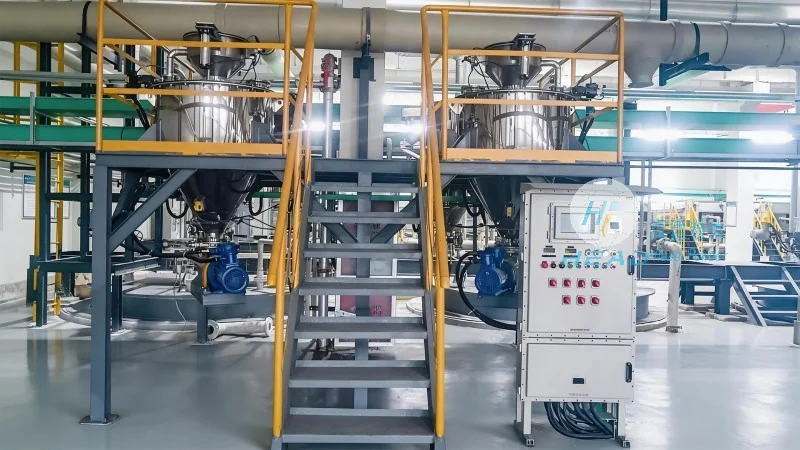
Long-distance pneumatic conveying systems are engineered to handle material transport over extended distances, often exceeding several hundred meters. These systems are characterized by their ability to maintain consistent material flow rates, minimize material degradation, and reduce operational costs compared to traditional methods like belt conveyors or trucks. The design of long-distance systems incorporates advanced control systems, robust piping, and efficient air compressors to ensure reliable performance. Additionally, these systems are designed to be flexible, allowing for integration with existing infrastructure and easy expansion as operational needs evolve.

Typical Application Scenarios
Long-distance pneumatic conveying systems find widespread application across multiple industries due to their versatility and efficiency. In the chemical industry, these systems are used to transport powders, granules, and bulk solids such as chemicals, fertilizers, and pharmaceuticals. The food and beverage sector benefits from their ability to handle sensitive products like flour, sugar, and spices while maintaining hygiene standards. The cement and construction industry utilizes pneumatic conveying for transporting raw materials like limestone and clinker over long distances to production facilities. Additionally, in the mining and minerals sector, these systems are employed to transport ore and other bulk materials from processing plants to storage or shipping locations. The systems are also commonly used in the agricultural industry for handling grain, feed, and other agricultural products.
Advantages and Considerations for Long-Distance Pneumatic Conveying
Implementing long-distance pneumatic conveying systems offers several advantages. These include reduced labor costs, minimized material handling time, and improved safety by eliminating the need for manual handling of bulk materials. The systems also contribute to environmental sustainability by reducing dust emissions and minimizing the carbon footprint associated with traditional transport methods. However, there are considerations to keep in mind when selecting a long-distance pneumatic conveying system. These include the type and properties of the material being conveyed (e.g., particle size, moisture content, and abrasiveness), the required distance and flow rate, and the available space for installation. Proper system design and maintenance are crucial to ensure optimal performance and longevity.
Conclusion
Long-distance pneumatic conveying systems represent a sophisticated and efficient solution for material handling in various industrial applications. By understanding the principles and characteristics of these systems, businesses can make informed decisions to enhance operational efficiency, reduce costs, and improve overall productivity. HeadPowder Engineering Co., Ltd., with its expertise and commitment to quality, continues to provide tailored pneumatic conveying solutions that meet the evolving needs of industries worldwide.