

Principle and Working Scene Characteristics of Cement Tank Truck Pneumatic Conveying Lines
HeadPowder, a leading engineering firm based in Shandong, China, specializes in the design and implementation of advanced pneumatic conveying systems for the cement industry. This article delves into the fundamental principles of cement tank truck pneumatic conveying lines and highlights the key characteristics of their operational environments. By understanding these aspects, stakeholders in the cement sector can make informed decisions regarding equipment selection and process optimization.

Introduction to Cement Tank Truck Pneumatic Conveying Systems
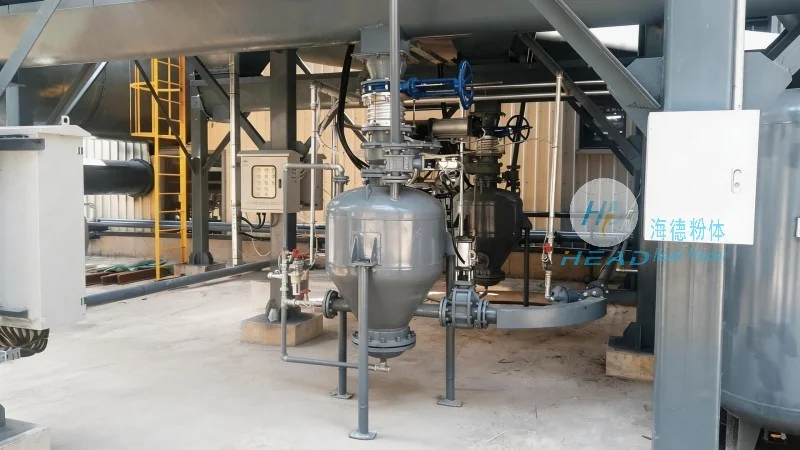
Cement tank truck pneumatic conveying lines represent a sophisticated method for transporting bulk cement from storage silos to various points of use, such as construction sites or processing facilities. Unlike traditional mechanical conveying systems, which rely on gravity or mechanical force, pneumatic systems utilize compressed air to move materials through a network of pipes. This approach offers several advantages, including reduced maintenance requirements, lower energy consumption, and the ability to handle materials in a dust-free environment. The core components of a typical system include a hopper, a rotary valve, a conveying line, a receiver, and a dust collection system. Each component plays a critical role in ensuring efficient and reliable cement transport.
Principle of Operation: How Pneumatic Conveying Works
The operation of a cement tank truck pneumatic conveying line is based on the fundamental principle of fluidization and air movement. When cement is discharged from the tank truck into the hopper, it is fed into the system via a rotary valve. The rotary valve acts as a controlled gate, regulating the flow of material into the conveying line. Simultaneously, a blower or compressor generates a high-pressure air stream that travels through the pipe system. As the air flows, it creates a low-pressure zone within the conveying line, which draws the cement particles into the air stream. The mixture of cement and air then travels through the pipeline to the receiver, where the air is separated from the material. The separated air is typically filtered and recirculated, while the cement is discharged into the target container or storage area. This process is continuous and can be adjusted to handle varying flow rates and distances, making it highly adaptable to different operational needs.

Key Working Scene Characteristics
The effectiveness of cement tank truck pneumatic conveying lines is heavily influenced by the specific working environment in which they operate. Several key characteristics define these operational scenarios, each requiring tailored system design and maintenance strategies.
1. Distance and Layout of the Conveying Path
The length and complexity of the conveying line significantly impact system performance. For instance, systems transporting cement over long distances may require multiple blowers or booster units to maintain sufficient air pressure and prevent material settling in the pipes. The layout of the pipeline, including vertical and horizontal runs, also affects the system's efficiency. Vertical lifts demand higher air velocity to counteract gravity, while horizontal sections rely on consistent air flow to keep the material suspended. Properly designed bends and elbows are crucial to minimize pressure losses and ensure smooth material transport.

2. Material Characteristics and Flow Rates
The physical properties of the cement, such as its fineness, moisture content, and bulk density, directly influence the conveying system's performance. Finer cement particles are more prone to dust formation and require higher air velocities to maintain suspension. Moisture content can affect the material's flowability, potentially leading to blockages if not managed properly. Flow rates are another critical factor, as they determine the system's capacity and the number of tank trucks that can be serviced simultaneously. Optimizing flow rates ensures that the system operates within its design limits, preventing overloading and maintaining consistent material delivery.
3. Environmental and Safety Considerations
Operational environments for cement tank truck pneumatic conveying systems often involve dust generation and potential safety hazards. Effective dust control measures, such as cyclone separators and baghouse filters, are essential to comply with environmental regulations and protect personnel. Additionally, the system must be designed with safety features like pressure relief valves and emergency shut-off mechanisms to prevent accidents. The working environment may also include exposure to high temperatures or corrosive substances, necessitating the use of materials like stainless steel or specialized coatings for components that come into contact with the cement.
Applications and Industry Impact
Cement tank truck pneumatic conveying lines are widely used in various industrial applications, from large-scale construction projects to cement plant expansions. Their ability to handle high volumes of material efficiently and with minimal downtime makes them a preferred choice for businesses seeking to enhance productivity and reduce operational costs. By integrating advanced control systems and monitoring technologies, these systems can be further optimized to improve reliability and reduce maintenance intervals. The adaptability of pneumatic conveying solutions allows them to be customized for specific operational requirements, ensuring that they meet the unique needs of each client.
Conclusion: Advantages and Future Prospects
In conclusion, cement tank truck pneumatic conveying lines are a highly effective and versatile solution for bulk cement transport. Their operation is based on well-established principles of fluidization and air movement, with key working scene characteristics that must be carefully considered during system design and implementation. By leveraging the expertise of companies like Shandong HeadPowder Engineering Co., Ltd., industries can benefit from optimized conveying systems that enhance efficiency, reduce costs, and improve overall operational performance. As technology continues to advance, the future of pneumatic conveying systems holds promise for even greater efficiency and reliability, further solidifying their role in the cement industry.