

Principle and Working Scene Characteristics of Tea Pneumatic Conveying Lines
Tea pneumatic conveying lines are specialized systems designed to transport tea leaves and related products efficiently within processing facilities. These systems utilize air pressure or vacuum to move materials, offering a clean, hygienic, and high-capacity solution that is increasingly vital in modern tea production and processing. The technology has evolved to meet the stringent requirements of the tea industry, ensuring minimal product degradation and optimal handling of delicate tea leaves.
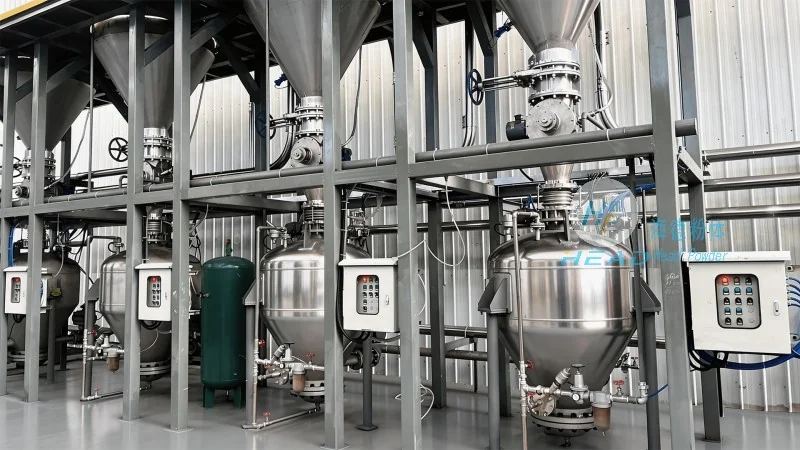
Core Principles of Tea Pneumatic Conveying Systems
The fundamental principle behind tea pneumatic conveying lines is the use of air as the medium to transport solid materials. There are two primary types of systems: suction (or vacuum) and pressure systems. Suction systems operate by creating a negative pressure in a pipeline, drawing material from a source into the system. This method is ideal for applications where the material needs to be moved from a lower or distant location to a processing unit. Pressure systems, on the other hand, use positive pressure to push material through the pipeline, often from a storage silo or hopper to a processing or packaging area. Both systems rely on the principles of fluid dynamics and particle movement to ensure smooth and consistent material flow.
In the context of tea processing, the choice between suction and pressure systems depends on factors such as the distance of material transport, the height of the conveying line, and the need for gentle handling of the tea leaves. For instance, in a large-scale tea factory, a combination of both systems might be employed to cover different stages of the production process. The core components of a typical tea pneumatic conveying line include a material hopper, a conveying pipe network, a fan or blower unit, and a dust collection system. The hopper stores the tea leaves, while the fan generates the necessary air flow to move the material. The pipe network connects the hopper to processing equipment like sorting machines, drying ovens, or packaging units. The dust collection system ensures that airborne particles are filtered out, maintaining a clean working environment and preventing product contamination.
Working Scene Characteristics in Tea Processing
Tea pneumatic conveying lines are deployed across various working scenes within tea processing facilities, each tailored to specific production stages. These scenes are characterized by their efficiency, flexibility, and ability to handle the unique properties of tea leaves, such as their lightweight nature and susceptibility to damage. One common application is in the initial processing stage, where freshly harvested tea leaves are transported from the withering area to the rolling or fermentation units. The pneumatic system allows for gentle handling, minimizing the risk of bruising or breakage that could affect the final tea quality. Another key working scene is in the packaging department, where finished tea products are moved from storage silos to packaging machines. Here, the system ensures a continuous and hygienic flow of product, reducing manual handling and the potential for human error.

In large-scale tea processing plants, the conveying lines may span multiple floors or connect different buildings, making the system's ability to handle vertical and horizontal movement crucial. The working scene characteristics also include the integration of the conveying line with other processing equipment, such as sorting machines that separate tea leaves based on size or quality. The pneumatic system can be synchronized with these machines to ensure that only the desired material is conveyed, improving overall production efficiency. Additionally, the system's ability to operate in a clean and controlled environment is essential, as tea products are highly sensitive to contaminants. The dust collection and filtration systems in the conveying line help maintain a hygienic workspace, meeting industry standards for food processing.
Advantages and Practical Applications in Tea Industry
Tea pneumatic conveying lines offer several advantages that make them a preferred choice in the tea industry. These include high transport capacity, which allows for the efficient movement of large quantities of tea leaves, reducing processing time and labor costs. The systems are also highly flexible, as they can be easily reconfigured to accommodate changes in production volume or process requirements. Another key advantage is the gentle handling of tea leaves, which helps preserve the flavor, aroma, and quality of the final product. This is particularly important for high-value teas, such as green or oolong teas, where even minor damage can significantly impact the product's market value.
Practical applications of tea pneumatic conveying lines extend beyond the primary processing stages. For example, in the storage and inventory management of tea products, the system can be used to transfer tea from bulk storage silos to smaller packaging units, ensuring accurate inventory tracking and reducing waste. The systems are also suitable for transporting tea leaves that have been processed into tea powders or extracts, where the material's fine texture requires a more controlled conveying method. In such cases, the pressure system with fine mesh filters is often used to prevent clogging and ensure consistent flow.

Integration with Modern Tea Processing Technologies
As the tea industry continues to adopt modern technologies, tea pneumatic conveying lines are increasingly integrated with advanced processing equipment and automation systems. This integration enhances the overall efficiency and precision of tea production. For instance, the conveying line can be connected to a computerized control system that monitors the flow rate, pressure, and temperature of the material, providing real-time data for process optimization. The system can also be integrated with sensors that detect the presence of foreign objects or moisture in the tea leaves, triggering automatic shutdowns or adjustments to prevent product contamination.
Furthermore, the use of intelligent materials handling systems, such as automated sorting and grading machines, often relies on pneumatic conveying for material transport. The flexibility of the conveying line allows it to adapt to the varying output of these machines, ensuring a smooth and continuous production flow. The integration of these technologies not only improves the quality of the final tea products but also enhances the safety and hygiene of the working environment, aligning with the industry's growing emphasis on sustainable and responsible production practices.
Conclusion: The Role of Tea Pneumatic Conveying Lines in Modern Tea Production
In conclusion, tea pneumatic conveying lines play a critical role in modern tea processing, offering a reliable and efficient solution for material transport across various working scenes. The systems' ability to handle the delicate nature of tea leaves while maintaining high capacity and hygiene makes them an indispensable part of contemporary tea production facilities. As the tea industry continues to evolve, the integration of advanced technologies with pneumatic conveying systems will further enhance their performance and adaptability, ensuring they remain a key component in the production of high-quality tea products.