

Operation Process and Working Principle of Secondary Zinc Oxide Pneumatic Conveyor
Secondary zinc oxide is a critical material in various industrial applications, and its efficient handling requires specialized equipment. The pneumatic conveying system, particularly the secondary zinc oxide pneumatic conveyor, plays a vital role in ensuring smooth material transport. This article delves into the operation process and working principle of such equipment, highlighting the technical aspects and practical applications.

Introduction to Secondary Zinc Oxide Pneumatic Conveying
Secondary zinc oxide, often used in chemical, pharmaceutical, and manufacturing industries, demands precise and reliable handling to maintain product quality and operational efficiency. The pneumatic conveying system offers a solution by utilizing air as the conveying medium, eliminating the need for mechanical components that might cause contamination or wear. Shandong HeadPowder Engineering Co., Ltd., a leading manufacturer in this field, specializes in designing and producing advanced pneumatic conveying equipment tailored to the specific needs of secondary zinc oxide processing.
Working Principle of the Pneumatic Conveyor
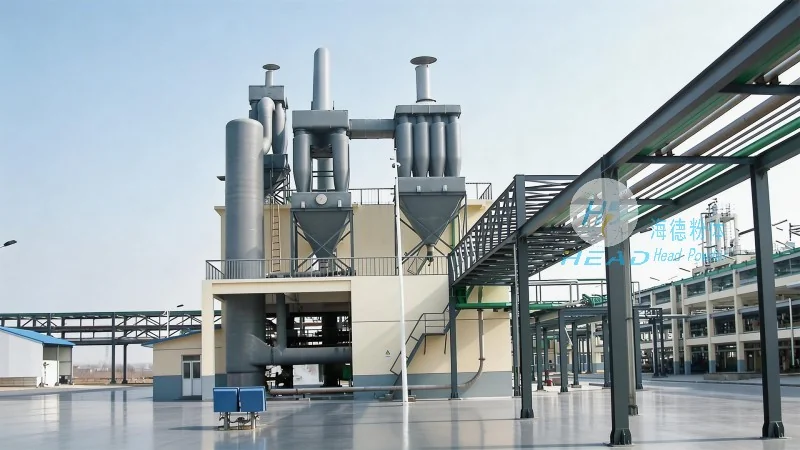
The core principle of the secondary zinc oxide pneumatic conveyor is the use of compressed air to move the material through a pipeline. The system typically consists of a hopper for material storage, a feeder to control the flow rate, a conveying line, and a receiver for the discharged material. As the material is fed into the hopper, it falls into the feeder, which then releases it into the conveying line. Simultaneously, compressed air is introduced at the inlet of the conveying line, creating a pressure differential that propels the material forward. The air and material mixture travels through the pipeline, with the air providing the necessary force to overcome resistance and transport the material to the receiver. The receiver then separates the material from the air, typically through a cyclone or filter system, and collects the secondary zinc oxide for further processing.
Step-by-Step Operation Process
The operation of the secondary zinc oxide pneumatic conveyor involves several key steps, each designed to ensure optimal performance and material integrity. First, the material is loaded into the hopper, which is equipped with a level indicator to monitor the material volume. The hopper is connected to a feeder, which may be a rotary valve or a screw feeder, to regulate the flow rate of the secondary zinc oxide. The feeder is synchronized with the compressed air system, ensuring that the material is released at a consistent rate as the air flow is adjusted. Next, the compressed air is supplied to the conveying line, with the pressure and flow rate controlled by a regulator to match the material characteristics and pipeline length. As the material enters the conveying line, it is entrained by the air and moves towards the receiver. The receiver, often a hopper or a storage tank, is positioned at the end of the pipeline and is equipped with a discharge valve to collect the material. The air, now separated from the material, is either vented to the atmosphere or recycled through a filter system to remove any dust or particles.

Technical Features and Advantages
The secondary zinc oxide pneumatic conveyor offers several advantages over traditional mechanical conveying systems. One of the primary benefits is the elimination of mechanical components, which reduces the risk of contamination and wear. The system is also highly flexible, allowing for changes in material flow rate and pipeline configuration without significant modifications. Additionally, the pneumatic conveying process is energy-efficient, as the compressed air can be recycled and reused, reducing operational costs. The equipment is designed to handle fine powders like secondary zinc oxide, preventing clogging and ensuring consistent material transport. Shandong HeadPowder Engineering Co., Ltd. incorporates advanced materials and engineering designs to enhance the durability and performance of their pneumatic conveyors, ensuring long-term reliability in industrial applications.
Company Information and Location
Shandong HeadPowder Engineering Co., Ltd. is a reputable manufacturer specializing in the design, production, and supply of pneumatic conveying equipment. The company is located in Shandong, China, and has established itself as a trusted partner for industries requiring efficient material handling solutions. With a focus on innovation and quality, HeadPowder provides customized solutions tailored to the specific needs of secondary zinc oxide processing, ensuring that their equipment meets the highest standards of performance and safety.