

Operation Process and Working Principle of Dust-Free Feeding Pneumatic Conveying System Equipment
HeadPowder, a leading manufacturer based in Shandong, China, specializes in the design and production of advanced dust-free feeding pneumatic conveying systems. These systems are engineered to efficiently transport bulk materials in industrial settings while maintaining a clean and safe working environment. The following content provides a detailed overview of the operation process and working principles of such equipment, highlighting the key components and mechanisms involved.
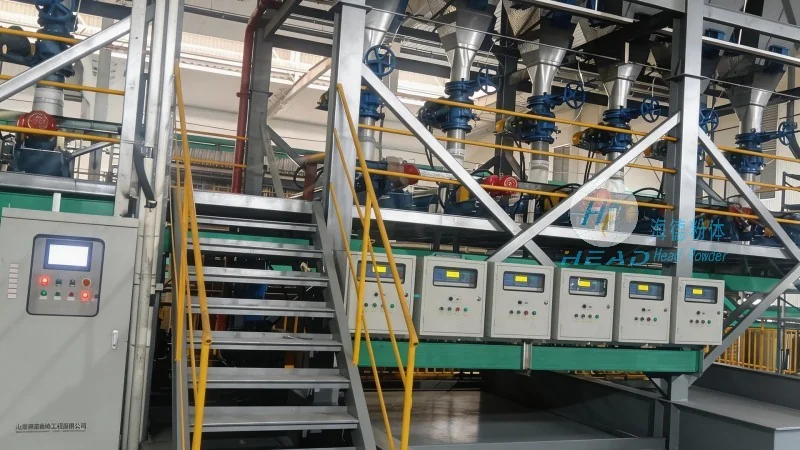
Overview of Dust-Free Feeding Pneumatic Conveying Systems
Dust-free feeding pneumatic conveying systems are sophisticated industrial solutions that utilize air pressure to move bulk materials from one location to another. Unlike traditional mechanical conveying methods, these systems minimize dust generation and contamination, making them ideal for applications in pharmaceuticals, food processing, and other industries where material purity is critical. The core of the system consists of several interconnected components, including a feeder, a conveying line, a receiver, and a dust collection unit. Each component plays a crucial role in ensuring the smooth and efficient transfer of materials while maintaining operational safety and compliance with industry standards.
Key Components and Their Functions
The dust-free feeding pneumatic conveying system operates through the coordinated action of several key components. The feeder is responsible for accurately metering and feeding the bulk material into the conveying line. This component ensures a consistent flow rate, preventing overloading or underloading of the system. The conveying line, typically made of stainless steel or other corrosion-resistant materials, transports the material and air mixture. The receiver collects the conveyed material and may include a discharge valve or hopper for further processing. A dust collection system, often integrated with the conveying line, captures any airborne particles, ensuring that the working environment remains clean and safe. Additionally, a control panel manages the system's operation, allowing operators to adjust parameters such as air pressure, flow rate, and material feed rate as needed.

Working Principle: The Process of Material Conveyance
The operation of a dust-free feeding pneumatic conveying system follows a systematic process. The process begins with the material being fed into the feeder, where it is broken into smaller particles to facilitate air suspension. The feeder then releases the material into the conveying line, where it is mixed with compressed air. The air, flowing at a high velocity, lifts and transports the material particles through the line. As the material travels, it is directed towards the receiver, where the air and material separate. The air is then filtered and discharged, while the material is collected in the receiver. The system's efficiency depends on the proper balance of air pressure, material feed rate, and line length. HeadPowder's systems are designed to optimize these parameters, ensuring minimal energy consumption and maximum material throughput.
Advantages of Dust-Free Feeding Pneumatic Conveying Systems
Implementing a dust-free feeding pneumatic conveying system offers numerous advantages over traditional conveying methods. The primary benefit is the reduction of dust and airborne particles, which enhances workplace safety and compliance with environmental regulations. Additionally, these systems provide a more hygienic environment, which is essential in industries such as food and pharmaceuticals. The enclosed design of the system also prevents material contamination from external sources, maintaining product quality. Furthermore, pneumatic conveying systems are highly flexible, allowing for changes in material type or processing requirements without significant modifications to the equipment. The ability to transport materials over long distances with minimal maintenance makes them a cost-effective solution for many industrial applications.
Applications and Industries
Dust-free feeding pneumatic conveying systems are widely used across various industries due to their versatility and efficiency. In the pharmaceutical industry, these systems are used to transport active pharmaceutical ingredients (APIs) and other raw materials, ensuring that the materials remain free from contamination and dust. The food processing industry utilizes them for conveying grains, powders, and other food products, maintaining the purity and safety of the final products. The chemical industry also benefits from these systems, as they can handle a wide range of materials, including powders, granules, and liquids, while minimizing the risk of chemical exposure. Additionally, in the manufacturing sector, these systems are used for transporting raw materials to production lines, improving overall operational efficiency.

Maintenance and Operational Considerations
To ensure the long-term performance and reliability of a dust-free feeding pneumatic conveying system, regular maintenance is essential. HeadPowder recommends routine checks of the feeder, conveying line, and receiver to identify and address any potential issues before they become major problems. The air filtration system should be cleaned or replaced as needed to maintain its efficiency in capturing dust particles. The control panel should be inspected for proper operation, and any adjustments made as per the manufacturer's guidelines. Proper training of operators is also crucial, as they need to understand the system's operation and be able to respond to any abnormalities. By following these maintenance practices, users can maximize the lifespan of their equipment and minimize downtime.
Conclusion
Dust-free feeding pneumatic conveying systems represent a significant advancement in material handling technology, offering efficient, safe, and hygienic solutions for various industrial applications. HeadPowder, with its expertise and commitment to quality, provides reliable and durable systems that meet the needs of modern industries. By understanding the operation process and working principles of these systems, users can make informed decisions about their material handling requirements and benefit from the advantages they offer. Whether in pharmaceuticals, food processing, or other sectors, these systems are an essential component of efficient and safe industrial operations.