

Operation Process and Working Principle of Powder Material Transport for Lithium-Ion Battery Anode M
HeadPowder, a leading enterprise in the field of powder material handling technology, specializes in providing efficient and reliable solutions for the transport of lithium-ion battery anode materials. This article delves into the operational process and working principles of our powder transport systems, designed to meet the stringent demands of modern battery manufacturing.

Company Overview
Shandong HeadPowder Engineering Co., Ltd., commonly known as HeadPowder, is headquartered in Shandong, China. With a strong commitment to innovation and quality, the company has established itself as a key player in the development and application of advanced powder handling equipment. Our expertise lies in optimizing material flow for high-purity applications, particularly in the battery industry, where precision and consistency are paramount.

Operation Process of Powder Material Transport
The operation process of our powder transport system for lithium-ion battery anode materials involves several critical steps. Initially, the raw anode powder is loaded into the storage hopper. The system then uses a combination of pneumatic or mechanical conveying methods to transport the powder from the hopper to the processing equipment. During this stage, the system ensures minimal material degradation and contamination, maintaining the high purity required for battery performance. The transport process is controlled by a sophisticated control system that monitors flow rates, pressure, and temperature to ensure optimal operation. This systematic approach guarantees a consistent and reliable supply of anode material to the production line.

Working Principle of the Transport System
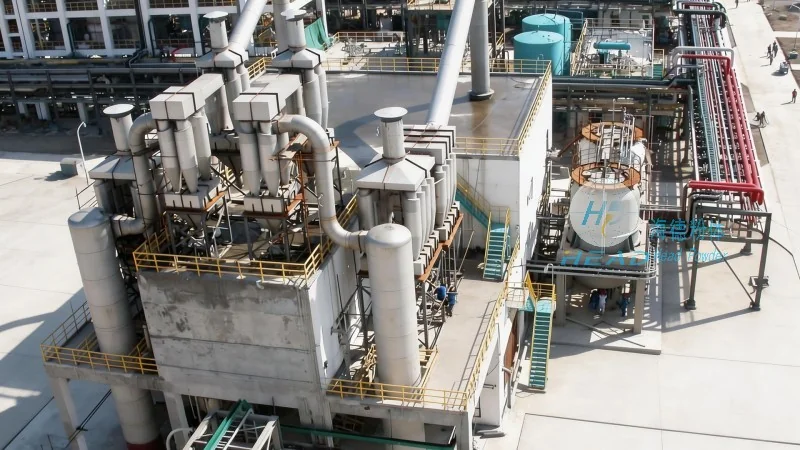
The working principle of our powder transport system is based on the principles of fluidization and pneumatic conveying. The system utilizes a hopper with a discharge valve that regulates the flow of powder into the conveying line. A blower or compressor provides the necessary air pressure to move the powder particles through the pipeline. The air-powder mixture travels through the system, with the powder being separated from the air at the receiving end using cyclone separators or filters. This separation process ensures that the anode material is delivered to the next stage of production without any residual air or contaminants. The control system continuously adjusts the air flow and pressure to maintain a stable and efficient transport process, adapting to variations in material properties and production demands.
Key Features and Benefits
Our powder transport system for lithium-ion battery anode materials offers several key features that enhance operational efficiency and product quality. The system is designed to handle a wide range of powder types, including graphite, silicon, and other composite materials used in modern anode formulations. The use of advanced materials and engineering ensures durability and resistance to corrosion, which is essential for handling reactive battery materials. The automated control system reduces human intervention, minimizing the risk of errors and improving process consistency. Additionally, the system's compact design allows for easy integration into existing production lines, without the need for extensive modifications. These features collectively contribute to lower operational costs, higher throughput, and improved overall performance in battery manufacturing.
Conclusion
HeadPowder's powder transport system for lithium-ion battery anode materials represents a sophisticated solution that addresses the complex challenges of material handling in the battery industry. By combining advanced technology with rigorous quality control, our system ensures the efficient and reliable transport of high-purity anode materials, supporting the production of high-performance lithium-ion batteries. With our headquarters in Shandong, China, HeadPowder continues to innovate and provide tailored solutions to meet the evolving needs of the battery manufacturing sector.