

Operation Process and Working Principle of Aggregate Material Conveying System
Aggregate material conveying systems are critical components in various industrial applications, particularly in construction, mining, and material handling sectors. These systems are designed to efficiently transport bulk materials such as gravel, sand, crushed stone, and other aggregates from one location to another. The operation and working principles of these systems are essential for ensuring optimal performance, reliability, and safety in material handling operations.

Key Components of Aggregate Conveying Systems
Aggregate material conveying systems typically consist of several key components that work in tandem to facilitate the movement of materials. The primary components include feed hoppers, conveyors (such as belt conveyors, screw conveyors, or chain conveyors), drive mechanisms, control systems, and discharge mechanisms. Each component plays a vital role in the overall functionality of the system. For instance, feed hoppers are used to store and feed the aggregate material into the conveyor system, ensuring a consistent flow. The conveyor itself is responsible for transporting the material over a specified distance, while the drive mechanism provides the necessary power to move the conveyor. Control systems enable operators to monitor and adjust the system's operation, and discharge mechanisms ensure the material is released at the desired location.
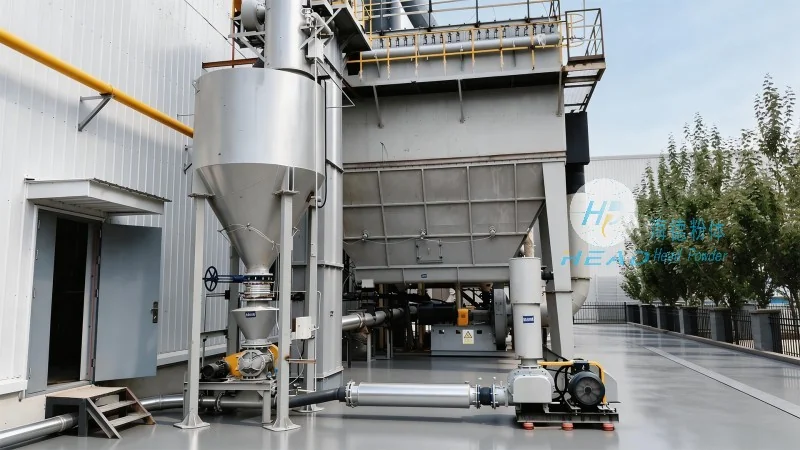
Operation Process of Aggregate Conveying Systems
The operation process of an aggregate material conveying system generally involves several sequential steps. First, the aggregate material is loaded into the feed hopper. The material is then fed into the conveyor via a hopper or a feeder mechanism. The conveyor, driven by an electric motor or other power source, moves the material along its path. As the material travels through the conveyor, it may undergo sorting, screening, or other processing steps if required. Finally, the material is discharged from the conveyor at the end of the system, where it is collected for further use or storage. The entire process is typically automated, with control systems monitoring the flow rate, speed, and other parameters to maintain optimal performance.
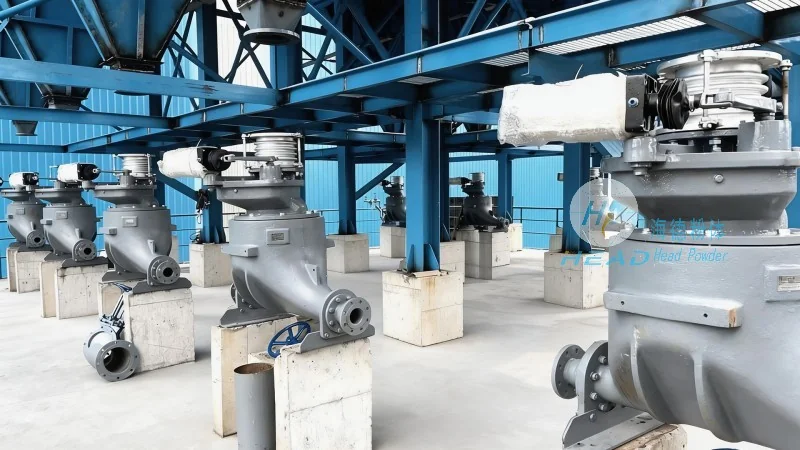
Working Principle of Aggregate Conveying Systems
The working principle of aggregate material conveying systems is based on the mechanical transfer of bulk materials. The most common type is the belt conveyor, which uses a continuous belt to transport materials. The belt is supported by rollers and driven by a motor, which pulls the belt and moves the material placed on it. Screw conveyors, on the other hand, use a rotating screw to push the material forward. Chain conveyors employ a series of chains with attached buckets or flights to transport the material. The choice of conveyor type depends on factors such as the material's characteristics, the required distance, and the operational environment. All these systems operate on the principle of converting mechanical energy into the motion needed to move the material, ensuring efficient and continuous operation.
Importance of Proper System Design and Maintenance
Proper design and regular maintenance are crucial for the efficient operation of aggregate material conveying systems. A well-designed system considers factors such as the material's properties, the required throughput, and the operational environment to ensure optimal performance. Regular maintenance, including inspections of components like belts, rollers, and drive mechanisms, helps prevent breakdowns and extends the system's lifespan. Additionally, proper training of operators on system operation and safety procedures is essential to ensure safe and efficient material handling. By adhering to these practices, companies can maximize the productivity and reliability of their aggregate conveying systems.

About Shandong HeadPowder Engineering Co., Ltd.
Shandong HeadPowder Engineering Co., Ltd., commonly known as headpowder, is a leading provider of aggregate material conveying systems and related engineering solutions. With a strong focus on innovation and quality, the company specializes in designing and manufacturing customized conveying systems tailored to the specific needs of its clients. Headpowder's products are widely used in various industries, including construction, mining, and waste management, and are known for their durability, efficiency, and reliability. The company's commitment to customer satisfaction and technical excellence has made it a trusted partner for businesses seeking to optimize their material handling operations. Headpowder's headquarters are located in Shandong, China, where the company continues to develop and improve its products to meet the evolving demands of the industry.