

Operation Process and Working Principle of Mobile Material Handling Equipment
Shandong HeadPowder Engineering Co., Ltd., commonly known as HeadPowder, is a professional manufacturer specializing in the design, development, and production of mobile material handling equipment. The company is headquartered in Shandong, China, and has established a strong presence in the industry with a focus on providing efficient and reliable solutions for material handling needs.
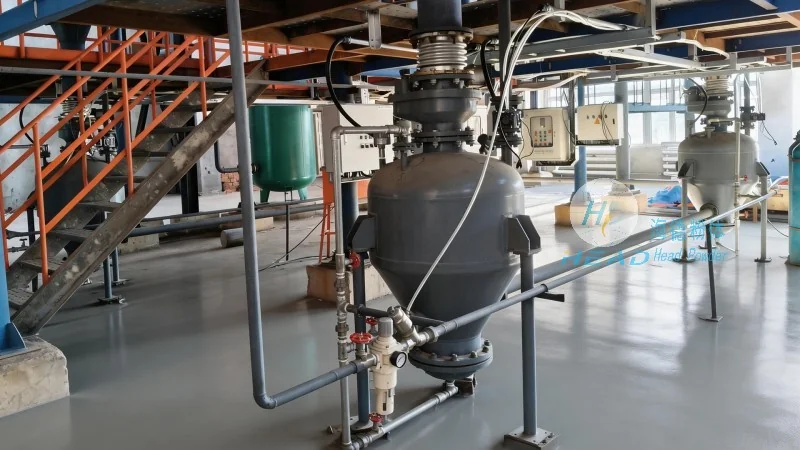
Operation Process of Mobile Material Handling Equipment
Mobile material handling equipment operates through a systematic process that ensures smooth and efficient material transfer. The operation typically begins with the loading of materials into the equipment's storage or feeding mechanism. This is followed by the activation of the propulsion system, which may include electric motors, hydraulic systems, or other power sources, enabling the equipment to move from one location to another. During transit, the equipment can handle various materials such as bulk solids, liquids, or packaged goods, depending on its design and configuration. Once the target location is reached, the equipment's unloading mechanism is engaged, allowing the materials to be discharged accurately and safely. The entire process is controlled by an integrated system that coordinates the movement of the equipment, the handling of materials, and the monitoring of operational parameters to ensure optimal performance.

Working Principle of Mobile Material Handling Equipment
The working principle of mobile material handling equipment is based on mechanical and hydraulic systems that work in tandem to facilitate material movement. The core components include a power source, a transmission system, a handling mechanism, and a control unit. The power source, often an electric motor or a hydraulic pump, provides the necessary energy to drive the equipment's movement. The transmission system, which may consist of gears, belts, or hydraulic lines, transfers this energy to the wheels or tracks, enabling the equipment to move. The handling mechanism, such as a conveyor belt, bucket elevator, or screw conveyor, is responsible for transporting the materials from the loading point to the unloading point. The control unit, which can be a manual or automated system, manages the operation of all components, ensuring that the equipment functions according to the intended process. This integrated approach allows the equipment to adapt to different operational requirements and maintain consistent performance under various conditions.
Key Functional Aspects of Mobile Material Handling Equipment
Mobile material handling equipment is designed to address the challenges of material movement in diverse environments. Its key functional aspects include mobility, which allows it to be moved to different work areas as needed, and versatility, which enables it to handle a wide range of materials and applications. The equipment also features adjustable speed and direction controls, providing operators with the flexibility to navigate through tight spaces or handle materials with varying characteristics. Additionally, many models are equipped with safety features such as emergency stop buttons, overload protection, and anti-slip surfaces, ensuring safe operation for both the equipment and the personnel. The integration of these functions makes mobile material handling equipment a valuable asset in industries that require efficient and adaptable material handling solutions.

Applications and Benefits in Industrial Settings
Mobile material handling equipment is widely used in various industrial settings, including manufacturing plants, warehouses, construction sites, and logistics centers. Its primary benefits include increased productivity, reduced labor costs, and improved safety. By automating the material handling process, the equipment minimizes the need for manual labor, allowing workers to focus on other tasks. The mobility of the equipment also enhances operational flexibility, as it can be repositioned quickly to accommodate changes in production schedules or workflow. Furthermore, the equipment's ability to handle different materials and loads makes it suitable for a wide range of applications, from small-scale operations to large-scale industrial processes. In summary, mobile material handling equipment offers significant advantages in terms of efficiency, cost-effectiveness, and operational flexibility, making it an essential component in modern industrial operations.