

Operation Process and Working Principle of a Phosphate Iron Lithium Material Pneumatic Conveying Lin
HeadPowder, a leading engineering firm based in Shandong, China, specializes in the design, manufacturing, and installation of advanced pneumatic conveying systems tailored for handling phosphate iron lithium (LFP) materials. This article provides a detailed overview of the operation process and working principle of a typical LFP material pneumatic conveying line, highlighting the key components, operational steps, and technical mechanisms that ensure efficient and reliable material transport.

Introduction to Pneumatic Conveying Systems for LFP Materials
Pneumatic conveying systems are widely used in the battery material industry to transport fine powders like LFP, which are critical components in lithium-ion batteries. These systems utilize air or other gases to move materials through a pipeline network, eliminating the need for mechanical components such as belts or buckets. The design of an LFP material pneumatic conveying line must consider factors like material properties (e.g., particle size, moisture content, and flowability), system pressure, and environmental requirements to achieve optimal performance.
Key Components of the Pneumatic Conveying Line
The LFP material pneumatic conveying line typically consists of several essential components that work in tandem to ensure smooth material transport. These include the material feed hopper, air compressor or blower, conveying pipeline, control valves, and a discharge hopper or collection system. Each component plays a crucial role in the overall operation of the system:

- Material Feed Hopper: This component stores the LFP material and feeds it into the conveying line at a controlled rate. The hopper is equipped with a gate valve or feeder to regulate the material flow, preventing blockages and ensuring consistent feed.
- Air Compressor or Blower: The primary power source for the system, the air compressor or blower generates the necessary air pressure to move the LFP particles through the pipeline. The choice of equipment depends on the system's capacity and the required pressure level.
- Conveying Pipeline: Made from materials resistant to corrosion and abrasion (such as stainless steel or special plastics), the pipeline transports the LFP material mixed with air. The pipeline design includes bends, elbows, and straight sections to guide the material flow efficiently.
- Control Valves: These valves regulate the air flow and material discharge, allowing operators to control the system's speed and direction. They include check valves, flow control valves, and shut-off valves to prevent backflow and maintain system stability.
- Discharge Hopper or Collection System: The final component where the LFP material is collected after being conveyed. This hopper may be equipped with a dust collection system to ensure environmental compliance and maintain material quality.
Operation Process of the Pneumatic Conveying Line
The operation of an LFP material pneumatic conveying line involves a series of sequential steps that ensure the material is transported from the feed hopper to the discharge hopper without interruption. The process typically begins with the preparation of the system and the loading of the feed hopper with LFP material. Here is a step-by-step breakdown of the operation:
- System Preparation: Before starting, the air compressor is turned on to build up the required air pressure. The control valves are set to the appropriate positions, and the material feed hopper is filled with LFP material. The discharge hopper is prepared to receive the material.
- Material Feeding: The gate valve in the feed hopper is opened, allowing LFP material to fall into the pipeline. Simultaneously, the air compressor supplies compressed air into the pipeline, creating a flow that lifts the material particles and carries them forward.
- Conveying Phase: As the air and material mixture travels through the pipeline, the particles are suspended and transported to the discharge hopper. The system maintains a consistent air flow rate to ensure the material is conveyed at the desired speed and without segregation.
- Discharge and Collection: Upon reaching the discharge hopper, the material is separated from the air. The air is typically filtered and vented, while the LFP material is collected in the hopper. The control valves may be adjusted to regulate the discharge rate and prevent overfilling.
- System Shutdown: When the material transport is complete, the air compressor is turned off, and the control valves are closed to stop the flow. The feed hopper is emptied, and the system is prepared for the next cycle.
Working Principle of the Pneumatic Conveying Line
The working principle of an LFP material pneumatic conveying line is based on the fundamental concept of fluidization and suspension of solid particles in a gas stream. The system operates by creating a high-velocity air flow that lifts and transports the LFP particles through the pipeline. This principle is achieved through the following mechanisms:
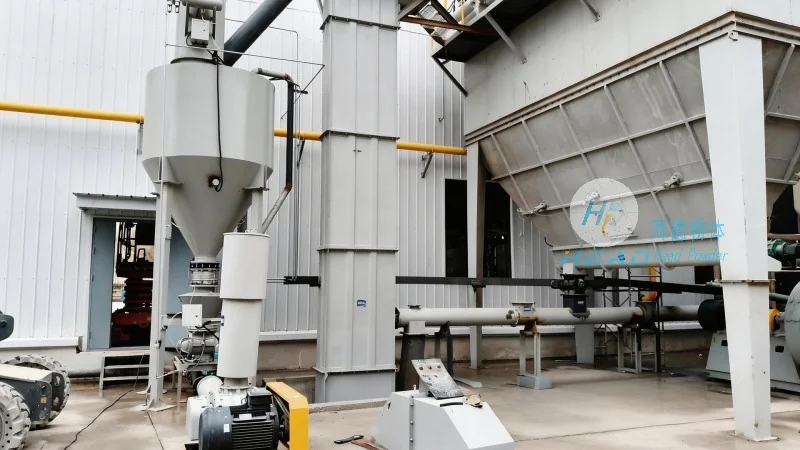
1. Air-Particle Interaction: The compressed air from the blower or compressor is introduced into the pipeline at a high velocity. As the air flows through the material, it creates a turbulent flow that lifts the LFP particles from the bottom of the pipeline. The air velocity must be sufficient to overcome the gravitational force acting on the particles, ensuring they remain suspended in the air stream.
2. Pressure and Flow Control: The system maintains a stable pressure and flow rate to ensure consistent material transport. The control valves regulate the air pressure and flow, preventing excessive pressure drops that could cause material deposition or blockages. The pressure is typically maintained at a level that balances the material's flowability and the system's energy efficiency.
3. Material Segregation Prevention: To avoid segregation of the LFP material (where larger or heavier particles settle at the bottom of the pipeline), the system is designed with uniform air distribution and consistent flow rates. The pipeline diameter and bends are optimized to minimize turbulence and maintain a homogeneous mixture of air and material.

Advantages of Pneumatic Conveying for LFP Materials
Using a pneumatic conveying line for LFP materials offers several advantages over traditional mechanical conveying methods. These benefits include:
- Efficient Material Transport: Pneumatic systems can transport LFP material over long distances with minimal energy consumption, making them ideal for large-scale battery material production facilities.
- Reduced Maintenance: With no moving parts in the pipeline (except for the feed and discharge hoppers), the system requires less maintenance compared to belt or bucket conveyors, reducing downtime and operational costs.
- Improved Material Quality: The enclosed pipeline prevents contamination from dust or moisture, ensuring the LFP material remains in its original state. This is crucial for maintaining the chemical properties of the material, which directly impacts battery performance.
- Flexibility in Layout: Pneumatic conveying systems can be easily reconfigured to accommodate changes in production processes or facility layout, providing flexibility for growing battery material operations.
Conclusion
HeadPowder Engineering Co., Ltd., based in Shandong, China, provides comprehensive solutions for LFP material pneumatic conveying lines, combining advanced engineering with robust manufacturing to meet the demands of the battery industry. By understanding the operation process and working principle of these systems, manufacturers can optimize their material handling processes, enhance efficiency, and ensure the quality of their LFP materials. The reliable and efficient pneumatic conveying systems offered by HeadPowder are essential for supporting the growing demand for lithium-ion batteries worldwide.