

Design Considerations for Cement Pneumatic Conveying Systems
When designing a cement pneumatic conveying system, several critical factors must be considered to ensure efficient operation, reliability, and cost-effectiveness. The system's performance is heavily influenced by the choice of components, material handling characteristics, and environmental conditions. A well-planned design addresses key aspects such as material flow, pressure requirements, and system integration, which are essential for maintaining optimal performance in industrial applications.

Material Characteristics and Flow Properties
The first step in designing a cement pneumatic conveying system involves analyzing the material's physical properties. Cement, being a fine powder with specific density and particle size distribution, requires careful consideration of its flowability and abrasiveness. These properties directly impact the selection of the conveying method—whether it's a dilute phase or dense phase system—and the type of equipment used, such as rotary valves, airlocks, and cyclones. Understanding the material's behavior under different pressure and velocity conditions is crucial for preventing blockages and ensuring consistent flow rates.
System Sizing and Pressure Requirements
System sizing is a critical design consideration that involves determining the appropriate pipe diameter, length, and air flow rate. The pressure drop across the system must be calculated to ensure sufficient motive air pressure to transport the cement. Factors like the material's bulk density, particle size, and the system's layout (including vertical and horizontal runs) affect the required pressure. Overestimating or underestimating the pressure can lead to inefficiencies or system failure. Engineers must also consider the impact of pressure variations on the conveying capacity and the overall energy consumption of the system.
Component Selection and Integration
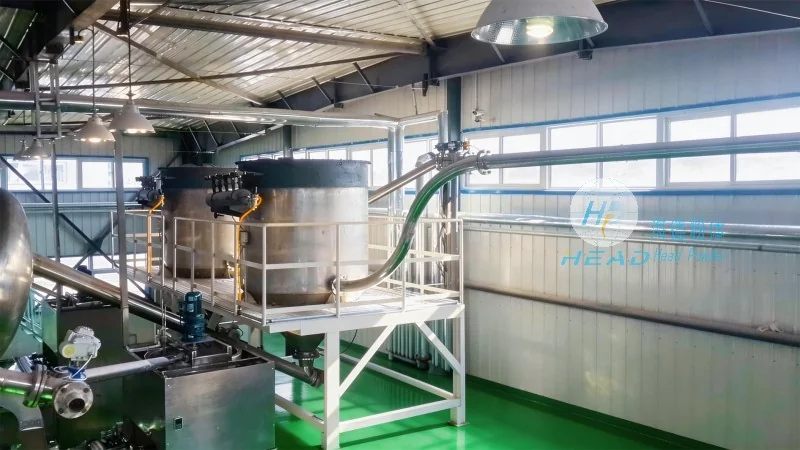
Component selection is another key aspect of system design. For instance, the choice of rotary airlock valves and feeders is critical as they control the material feed rate and prevent backflow. The use of high-quality, abrasion-resistant materials for components like cyclones and filters is essential to extend the system's lifespan, especially when handling abrasive cement particles. Proper integration of components, such as the connection between the conveying line and the receiving hopper, is vital to avoid pressure losses and maintain system efficiency. The design must also account for maintenance accessibility, ensuring that components can be easily inspected and replaced without disrupting the entire operation.

Environmental and Safety Considerations
Environmental and safety considerations are integral to the design of cement pneumatic conveying systems. Dust control measures, such as dust collection systems and proper ventilation, are necessary to comply with environmental regulations and protect personnel from exposure to cement dust. The system must also be designed to handle potential hazards, including pressure surges and material blockages, which could lead to equipment failure or accidents. Implementing safety features like pressure relief valves and emergency shut-off mechanisms enhances the system's reliability and ensures compliance with safety standards.

Energy Efficiency and Maintenance
Energy efficiency is a significant factor in the long-term operation of a cement pneumatic conveying system. Optimizing the air flow rate and pressure can reduce energy consumption while maintaining conveying performance. Regular maintenance is essential to keep the system running smoothly, as components like filters and cyclones can become clogged over time, affecting the system's efficiency. A well-designed system includes provisions for easy maintenance, such as accessible filter housings and quick-release connections, which minimize downtime and operational costs.
About Shandong HeadPowder Engineering Co., Ltd.
Shandong HeadPowder Engineering Co., Ltd., a leading provider of cement processing solutions, specializes in designing and manufacturing high-quality pneumatic conveying systems. With years of experience in the industry, the company focuses on delivering reliable and efficient systems tailored to the specific needs of cement plants. HeadPowder's expertise in material handling and system design ensures that their products meet the highest standards of performance and durability. The company is committed to providing comprehensive support, from initial design and installation to ongoing maintenance and technical assistance. Based in Shandong, China, HeadPowder serves clients globally, offering customized solutions that enhance operational efficiency and reduce costs in cement production.