

Sintering Dust Pneumatic Conveying Technology: Principles, Applications, and Development Trends
Shandong HeadPowder Engineering Co., Ltd., commonly known as headpowder, is a professional enterprise based in Shandong, China, specializing in the research, development, and application of advanced pneumatic conveying technologies for sintering dust. With a focus on providing efficient and reliable solutions for material handling in industrial processes, the company leverages its expertise to address the unique challenges associated with transporting sintering dust, a fine particulate material commonly generated in sintering operations.
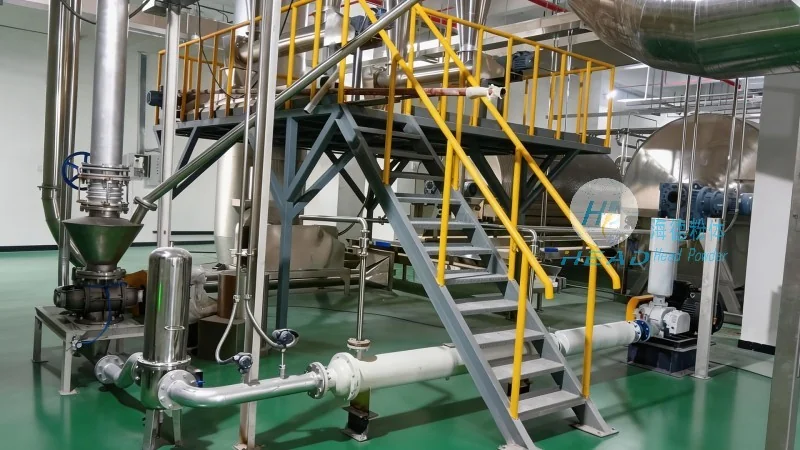
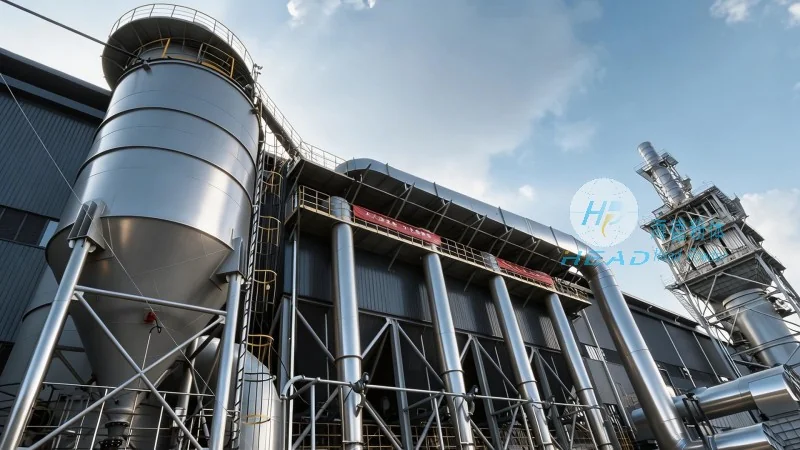
Sintering dust, a byproduct of the sintering process in metallurgical industries, poses significant challenges for traditional material handling methods due to its fine particle size, high moisture content, and potential for dust explosion risks. Pneumatic conveying technology offers a viable solution by utilizing air flow to transport the dust through pipelines, eliminating the need for mechanical components that may cause contamination or blockages. The core principle of pneumatic conveying involves creating a pressure differential or using vacuum to move the material, with the system typically comprising a feeding device, conveying pipeline, and discharge equipment. This method not only enhances safety by containing dust within a closed system but also improves operational efficiency by reducing downtime and maintenance costs. There are two primary types of pneumatic conveying systems: positive pressure systems, which use compressed air to push the material through the pipeline, and negative pressure (or vacuum) systems, which use suction to draw the material into the pipeline. Positive pressure systems are often preferred for long-distance or high-volume transport, as they can maintain consistent pressure and flow rates. Negative pressure systems, on the other hand, are suitable for short-distance or low-volume applications and are generally more cost-effective for smaller-scale operations.
Applications of sintering dust pneumatic conveying technology span across various sectors within the metallurgical industry. In steel mills, for example, the technology is used to transport dust from sintering furnaces to dust collection systems, where it may be processed into raw materials for subsequent production stages. The sintering process itself involves mixing iron ore, coke, and fluxes and then heating them to a temperature below the melting point of iron, resulting in a solid mass called sinter. The dust generated during this process is typically collected from the furnace exhaust and transported via pneumatic conveying to a dust treatment facility. Once at the facility, the dust may be filtered, dried, and then recycled back into the sintering process or used as a raw material in other industrial applications. This closed-loop system minimizes waste and reduces the environmental impact of the steel production process. Similarly, in non-ferrous metal production, such as copper or nickel sintering, the system helps maintain a clean and safe working environment by efficiently removing dust from the production line. The dust from these processes is often rich in valuable metals and can be processed to recover additional resources, making pneumatic conveying an economically beneficial solution.


Technological advancements in pneumatic conveying systems have further enhanced the efficiency and reliability of sintering dust transport. Modern systems incorporate features like variable speed drives, which allow for precise control of air flow and material velocity, reducing energy consumption and minimizing wear on components. Additionally, the use of advanced materials for pipeline construction, such as corrosion-resistant stainless steel or high-density polyethylene, ensures durability and longevity in harsh industrial environments. Automation and control systems have also been integrated into many modern pneumatic conveying setups, enabling real-time monitoring of flow rates, pressure, and system performance. This level of control not only improves operational safety but also allows for quick adjustments to accommodate changes in production volume or material characteristics.