

Fine Powder Pneumatic Conveying: How to Efficiently Transport Bulk Powders with Air Flow
Understanding the efficient transportation of fine powders is crucial for industries dealing with bulk materials. This article explores the principles and applications of fine powder pneumatic conveying, a method that leverages air flow to move particulate materials. The focus is on how this technology can enhance operational efficiency and material handling processes.

About HeadPowder Engineering Co., Ltd.
HeadPowder, a leading provider in the field, is based in Shandong, China. With a strong commitment to engineering excellence, the company specializes in the design, manufacturing, and implementation of pneumatic conveying systems tailored for various industrial needs. Their expertise in handling fine powders ensures reliable and efficient material transport solutions for clients across different sectors.
What is Fine Powder Pneumatic Conveying?
Fine powder pneumatic conveying is a technology that uses compressed air or other gases to transport dry, powdery materials through a pipeline system. Unlike traditional mechanical conveying methods, this approach eliminates the need for moving parts in the conveying line, reducing maintenance requirements and enhancing safety. The process involves creating a pressure differential or using vacuum to draw or push the powder particles through the system, ensuring a smooth and continuous flow.

Key Components of a Pneumatic Conveying System
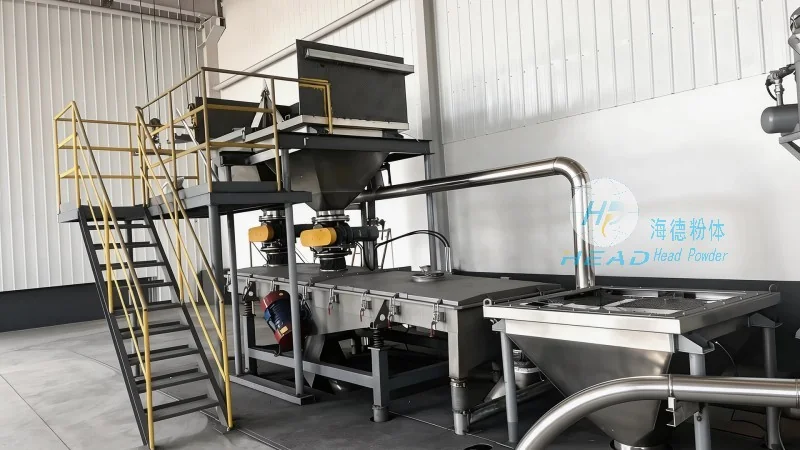
A typical fine powder pneumatic conveying system consists of several critical components that work in harmony to achieve effective material transport. These include the air compressor or vacuum pump, which generates the necessary pressure or vacuum; the conveying line, which is usually made of durable materials like stainless steel to prevent material buildup and corrosion; and the feeders, which control the flow rate of the powder into the system. Additionally, the system may incorporate filters and cyclones to separate the air from the powder, ensuring that the material is delivered to its destination without contamination.
How Air Flow Enhances Material Transport
The efficiency of fine powder pneumatic conveying largely depends on the air flow characteristics. Proper air velocity and pressure are essential to prevent particle segregation, agglomeration, or blockages in the pipeline. HeadPowder engineers carefully calculate the required air volume and pressure based on the properties of the powder, such as particle size, density, and moisture content. By optimizing these parameters, the system can maintain a consistent flow rate, minimizing downtime and maximizing throughput.
Applications in Different Industries
Fine powder pneumatic conveying is widely used across various industries due to its versatility and efficiency. In the pharmaceutical sector, it is employed to transport active pharmaceutical ingredients (APIs) and other fine powders with high purity requirements. In the food industry, it handles ingredients like flour, sugar, and spices, ensuring hygienic and contamination-free transport. The chemical industry utilizes this technology for transporting powders like pigments, catalysts, and other reactive materials. Additionally, in the mining and mineral processing sectors, it aids in moving fine ore powders for processing and refining.
Advantages of Pneumatic Conveying for Fine Powders
Compared to other material handling methods, fine powder pneumatic conveying offers several advantages. It provides a dust-free and enclosed system, reducing the risk of environmental contamination and improving workplace safety. The absence of mechanical components like belts or buckets minimizes wear and tear, leading to lower maintenance costs and longer system lifespans. Furthermore, the system can handle materials with varying particle sizes and moisture levels, making it adaptable to diverse industrial applications. The ability to transport materials over long distances without the need for intermediate storage or transfer points also enhances operational efficiency.

Challenges and Solutions in Fine Powder Pneumatic Conveying
Despite its benefits, fine powder pneumatic conveying may face challenges such as particle segregation, system blockages, and air leakage. HeadPowder addresses these issues through advanced engineering solutions. For instance, using air classifiers and cyclones helps maintain the homogeneity of the powder mixture. Implementing proper pipeline design and using anti-static materials prevents static buildup that could lead to blockages. Regular maintenance and monitoring of the system components ensure optimal performance and minimize downtime. By addressing these challenges proactively, the company ensures that clients receive reliable and efficient conveying systems.
Future Trends and Innovations
As technology advances, fine powder pneumatic conveying is evolving to meet the growing demands of modern industries. HeadPowder is at the forefront of these innovations, exploring new materials and designs that enhance system performance. The integration of automation and control systems allows for real-time monitoring and adjustment of the conveying process, improving efficiency and reducing human error. Additionally, the development of more energy-efficient air compressors and vacuum pumps reduces operational costs while maintaining high performance standards. These advancements ensure that fine powder pneumatic conveying remains a viable and effective solution for material handling in the future.