

Classification and Composition of Phosphoric Hydrogen Calcium Pneumatic Conveying Systems
Phosphoric hydrogen calcium, also known as calcium dihydrogen phosphate, is a widely used chemical compound in various industrial applications. The pneumatic conveying system designed for transporting this material efficiently is a critical component in many production lines. This article provides an overview of the classification and key components of such systems, focusing on the technical aspects and functional design to ensure optimal performance in handling phosphoric hydrogen calcium.

Classification of Phosphoric Hydrogen Calcium Pneumatic Conveying Systems
Phosphoric hydrogen calcium pneumatic conveying systems can be classified based on the method of material transport and the pressure used. The primary classifications include:
- Absorption Type (Suction System): This system uses a vacuum to draw material from the source into the conveying line. It is suitable for applications where the material is to be transported from a lower elevation or when the material is sensitive to pressure changes. The suction system typically operates at lower pressures and is often used for short to medium distance conveying.
- Pressurized Type (Pressure System): In contrast, the pressurized system uses compressed air or other gases to push the material through the pipeline. This method is ideal for long-distance conveying, high-volume transport, and when the material needs to be delivered at a higher pressure or elevation. The pressurized system offers greater control over the conveying speed and can handle more challenging material properties.
- Combined Type (Suction-Pressure System): Some advanced systems combine both suction and pressurized mechanisms to achieve flexible conveying capabilities. This hybrid approach allows for the initial suction of material from a source and subsequent pressurization for long-distance transport, optimizing energy use and operational efficiency.
Each classification has its own advantages and is selected based on the specific requirements of the phosphoric hydrogen calcium handling process, including material characteristics, distance, and desired delivery conditions.

Key Components of Phosphoric Hydrogen Calcium Pneumatic Conveying Systems
The effective operation of a phosphoric hydrogen calcium pneumatic conveying system relies on several essential components that work in coordination to ensure smooth material transport. The main components include:

- Feeding Equipment: This component is responsible for accurately and consistently feeding the phosphoric hydrogen calcium into the conveying system. Common feeding devices include rotary valves, star feeders, and screw conveyors. The choice of feeder depends on the material's flowability, bulk density, and the need for precise control over the feed rate. Proper feeding is crucial to prevent blockages and maintain consistent conveying performance.
- Conveying Pipeline: The pipeline is the primary pathway for transporting the material. It is typically made of materials resistant to the chemical properties of phosphoric hydrogen calcium, such as stainless steel or special coatings to prevent corrosion. The pipeline design considers factors like diameter, length, and the type of bends or fittings to minimize pressure drop and ensure efficient material movement. Proper pipeline sizing and layout are critical to avoid excessive energy consumption and maintain system efficiency.
- Separation and Cleaning Equipment: As the material travels through the pipeline, it may encounter particles or debris that need to be separated from the conveying air. The separation system, often consisting of cyclones or filters, removes these contaminants from the air stream, ensuring that the material is delivered in a clean state. Additionally, the system includes cleaning mechanisms to prevent material buildup and maintain the efficiency of the separation process.
- Control and Monitoring Systems: Modern pneumatic conveying systems are equipped with advanced control and monitoring devices to optimize performance and prevent operational issues. These systems may include pressure sensors, flow meters, and control valves that regulate the air flow and material feed. Real-time monitoring allows operators to detect and address problems promptly, ensuring the system operates within safe and efficient parameters. The control system may also integrate with other production processes to provide seamless coordination.
Each component plays a vital role in the overall functionality of the phosphoric hydrogen calcium pneumatic conveying system, and their proper selection and integration are essential for achieving reliable and efficient material transport.
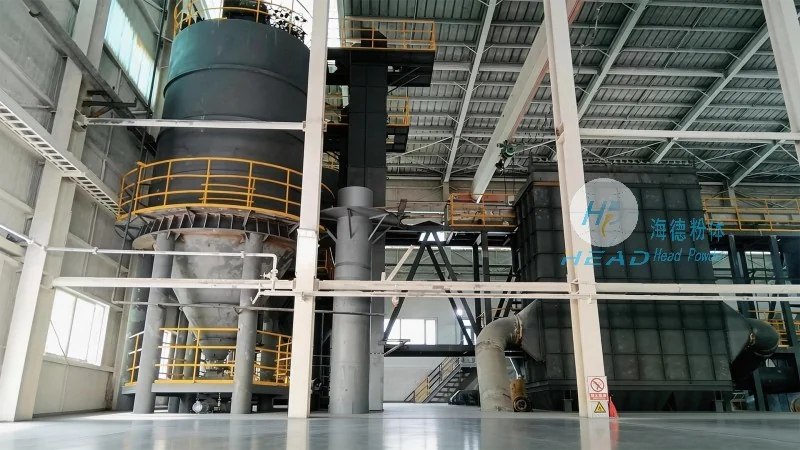
Application and Operational Considerations
When implementing a phosphoric hydrogen calcium pneumatic conveying system, several operational considerations must be taken into account to ensure optimal performance and longevity. These include:
- Material Properties: The physical and chemical properties of phosphoric hydrogen calcium, such as its bulk density, flowability, and tendency to agglomerate, significantly impact the system design. For example, materials with poor flowability may require additional equipment like vibrators or agitators to ensure smooth feeding. Understanding these properties helps in selecting the appropriate conveying method and components.
- System Sizing and Capacity: The system's capacity must be matched to the production requirements to avoid underutilization or overloading. Proper sizing involves calculating the required air volume, pressure, and pipeline dimensions based on the material's characteristics and the distance to be covered. Overloading the system can lead to increased energy consumption, reduced conveying efficiency, and potential equipment damage.
- Maintenance and Safety: Regular maintenance is essential to keep the pneumatic conveying system in good working condition. This includes cleaning the pipeline, replacing worn parts, and checking the performance of the separation and control systems. Safety measures, such as pressure relief valves and proper ventilation, are critical to prevent accidents and ensure the well-being of operators. A well-maintained system not only improves performance but also extends the lifespan of the equipment.
By considering these factors, users can design and operate a phosphoric hydrogen calcium pneumatic conveying system that meets their specific needs while ensuring efficiency, reliability, and safety.