

What Are the Conveying Methods for Monocrystalline Silicon?
Monocrystalline silicon, a foundational material in the semiconductor industry, demands reliable and efficient conveying solutions to support seamless production workflows. The selection of an appropriate conveying method is influenced by factors such as material characteristics, production scale, and operational environment. Shandong HeadPowder Engineering Co., Ltd., a leading provider in material handling technology, offers specialized systems tailored to meet diverse industrial requirements. This article explores the primary types of monocrystalline silicon conveying methods, detailing their applications, advantages, and how they align with modern manufacturing needs.

1. Vacuum Conveying Systems
Vacuum conveying is a widely adopted method for transporting monocrystalline silicon, particularly in applications where maintaining material purity and minimizing contamination are critical. This system operates by creating a negative pressure environment that draws the material from the source to the destination. The process typically involves a hopper or feeder to load the silicon, a vacuum pump to generate suction, and a filtration system to capture fine particles. Vacuum conveyors are highly effective for handling delicate or sensitive materials, as they reduce mechanical stress and lower the risk of particle breakage. Shandong HeadPowder Engineering Co., Ltd. specializes in designing vacuum conveying systems that ensure high purity and consistent flow rates, making them ideal for semiconductor manufacturing environments where even minor contaminants can impact product quality.
2. Pneumatic Conveying (Air-Lift) Systems
Pneumatic conveying, also known as air-lift systems, utilizes compressed air to transport monocrystalline silicon particles through a pipeline. This method is versatile for both short and long-distance conveying, offering flexibility in system design. The system generally consists of a hopper, a blower, and a pipeline network. The silicon is fed into the hopper, and compressed air is introduced to create a flow that carries the material to the target location. Pneumatic conveying is efficient for bulk material transport and can accommodate a wide range of particle sizes. However, it requires precise control of air pressure and flow rates to maintain consistent performance. Shandong HeadPowder Engineering Co., Ltd. provides customized pneumatic conveying solutions that optimize energy consumption and ensure reliable operation in various industrial settings, from small-scale labs to large-scale production lines.
3. Mechanical Conveying Systems
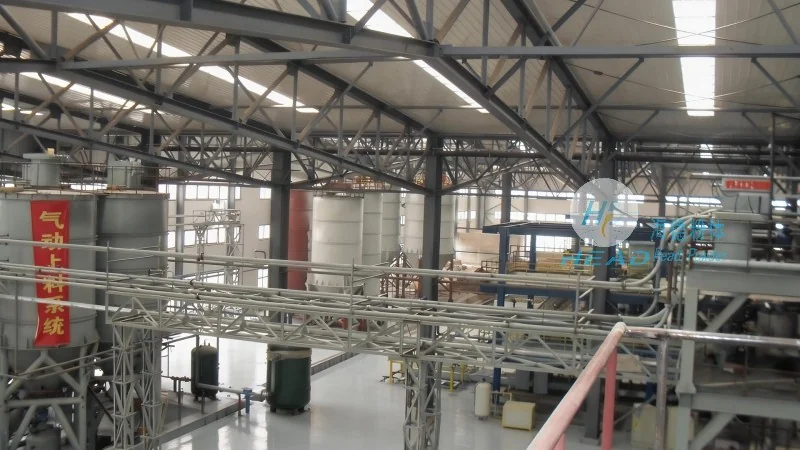
Mechanical conveying systems, including screw conveyors, belt conveyors, and bucket elevators, are commonly used for monocrystalline silicon transport in manufacturing facilities. These systems rely on mechanical components to move the material from one point to another. Screw conveyors, for example, use a rotating screw to push the material forward, making them suitable for horizontal or slight incline transport. Belt conveyors are ideal for longer distances and can handle larger volumes of material. Bucket elevators are used for vertical transport, efficiently lifting silicon from lower to higher levels. Mechanical conveyors are generally more cost-effective and straightforward to install compared to pneumatic systems, though they may be less suitable for handling very fine or delicate particles. Shandong HeadPowder Engineering Co., Ltd. offers robust mechanical conveying solutions that are durable and easy to maintain, ensuring long-term operational efficiency and minimal downtime.

4. Hybrid Conveying Solutions
In some cases, a combination of the above methods is employed to address specific production challenges. Hybrid systems may integrate vacuum and pneumatic components to achieve optimal performance. For instance, a vacuum conveyor might be used to feed material into a pneumatic pipeline, or a mechanical conveyor could be used to pre-convey material before it enters a vacuum system. These hybrid solutions are particularly useful in complex production lines where different stages require different conveying technologies. Shandong HeadPowder Engineering Co., Ltd. specializes in designing and implementing hybrid conveying systems that enhance overall efficiency and reduce downtime, providing tailored solutions for clients with diverse operational requirements and evolving production needs.
5. Key Considerations for Selecting a Conveying Method
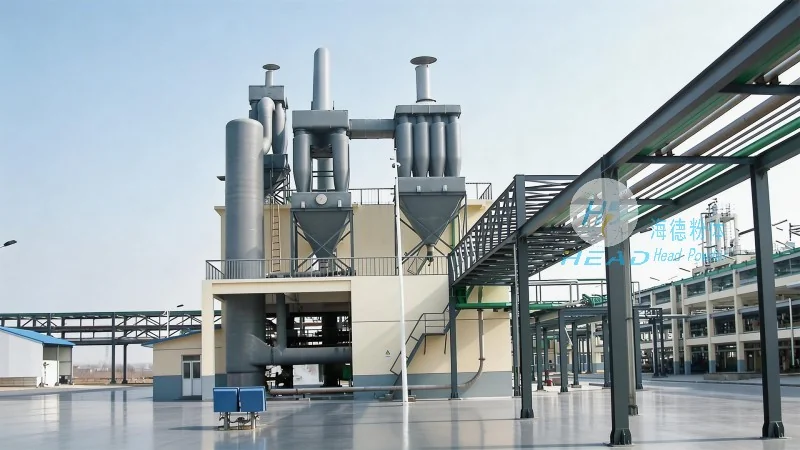
When selecting a monocrystalline silicon conveying method, several factors must be considered to ensure the best fit for the application. These include the material's particle size and density, the required conveying distance, the need for dust control, and the environmental regulations in the operating area. The cost of equipment, maintenance requirements, and energy consumption are also critical factors. Shandong HeadPowder Engineering Co., Ltd. assists clients in evaluating these factors and recommending the most suitable conveying solution. By leveraging their expertise in material handling and industrial engineering, the company ensures that the chosen system meets both current and future production demands, supporting sustainable and high-performance manufacturing operations.
Conclusion
Efficient conveying of monocrystalline silicon is essential for maintaining productivity and quality in semiconductor manufacturing. The methods discussed, including vacuum, pneumatic, mechanical, and hybrid systems, each offer unique advantages and are suitable for different scenarios. Shandong HeadPowder Engineering Co., Ltd. stands as a trusted partner in providing advanced conveying solutions that enhance operational performance and reliability. With a focus on tailored engineering and customer satisfaction, the company continues to support the growing needs of the semiconductor industry from its base in Shandong, China, delivering innovative solutions that drive industrial progress.