

Principles and Classification Applications of Cornmeal Pneumatic Conveying
Understanding the fundamental principles and practical applications of cornmeal pneumatic conveying is crucial for optimizing material handling processes in various industrial settings. This article provides an in-depth overview of how pneumatic systems transport cornmeal efficiently, the different classification methods used, and real-world scenarios where these technologies are applied.
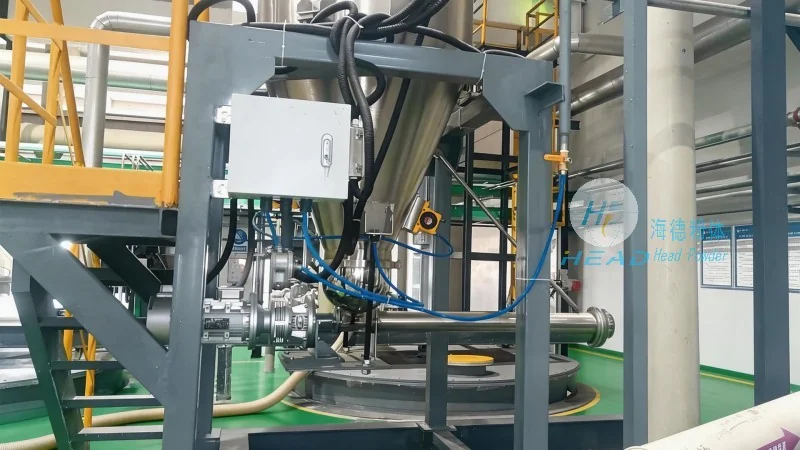
Introduction to Cornmeal Pneumatic Conveying
Cornmeal, a staple ingredient in food processing and agricultural industries, requires reliable and efficient transport methods to ensure quality and minimize losses. Pneumatic conveying systems offer a versatile solution by using air or gas to move dry materials like cornmeal through pipelines. This method eliminates the need for mechanical components such as belts or buckets, reducing maintenance and operational costs while improving safety and hygiene in food processing environments.
Core Principles of Pneumatic Conveying
The fundamental principle of pneumatic conveying involves creating a pressure differential between the inlet and outlet of a system. By injecting air or gas into a hopper containing cornmeal, the material is suspended and carried through the pipeline. The velocity of the air and the density of the cornmeal determine the type of conveying system—either dense phase or dilute phase. Dense phase systems operate at lower velocities, ensuring material is transported in a compacted state, while dilute phase systems use higher velocities to suspend the material in a more dispersed manner.

Classification of Pneumatic Conveying Systems
Pneumatic conveying systems for cornmeal are typically classified into two main categories: pressure and vacuum systems. Pressure systems generate positive pressure at the inlet, pushing the material through the pipeline, while vacuum systems create a negative pressure at the outlet, drawing the material from the source. Within these categories, subtypes include dilute phase and dense phase, each tailored to specific material characteristics and operational requirements.
Key Components of Cornmeal Pneumatic Conveying Systems
Effective cornmeal pneumatic conveying relies on several critical components. The hopper or feeder is responsible for feeding the cornmeal into the system, ensuring a consistent flow. The air compressor or blower provides the necessary pressure or vacuum. The pipeline network transports the material from the source to the destination. Additionally, filters and cyclones are used to separate the cornmeal from the air, preventing dust accumulation and maintaining system efficiency.

Applications in Food Processing and Agriculture
Cornmeal pneumatic conveying is widely used in food processing facilities for transferring raw materials to production lines and finished products to storage areas. In agricultural settings, it facilitates the movement of cornmeal from storage silos to processing plants or distribution centers. The technology is particularly advantageous in environments where hygiene and contamination control are paramount, as it minimizes direct human contact with the material and reduces the risk of cross-contamination.
Advantages of Pneumatic Conveying for Cornmeal
Compared to traditional mechanical conveying methods, pneumatic systems offer several advantages. They are more hygienic, as they do not involve moving parts that could harbor bacteria or contaminants. The enclosed pipeline system prevents dust and debris from entering the environment, improving air quality and reducing the risk of respiratory issues for workers. Additionally, pneumatic conveying is flexible, allowing for changes in material flow direction and capacity without significant modifications to the system.

Considerations for System Design and Maintenance
When designing a cornmeal pneumatic conveying system, several factors must be considered to ensure optimal performance. The particle size and moisture content of the cornmeal affect the system's efficiency, as larger or more moist particles may require higher air velocities or different system configurations. The distance and elevation changes between the source and destination also impact the system's design, as these factors influence the required pressure or vacuum levels. Regular maintenance is essential to prevent clogging and ensure consistent performance, including cleaning filters, checking air compressor performance, and inspecting pipeline integrity.
About Shandong HeadPowder Engineering Co., Ltd.
Shandong HeadPowder Engineering Co., Ltd., a leading provider of material handling solutions, specializes in designing and manufacturing pneumatic conveying systems tailored to the needs of the food and agricultural industries. With a focus on innovation and customer satisfaction, the company delivers high-quality equipment that meets stringent hygiene and safety standards. HeadPowder's expertise in cornmeal pneumatic conveying ensures reliable and efficient material transport for clients across China and beyond.