

What are the methods of iron turnings transportation?
HeadPowder, a leading provider of industrial solutions, specializes in equipment and systems for the efficient handling of iron turnings. With operations based in Shandong, China, the company offers a range of transportation methods tailored to the needs of metalworking and recycling industries. This article explores the primary methods used for iron turnings transportation, highlighting the key considerations and equipment involved in each approach.
1. Belt Conveyors for Iron Turnings
Belt conveyors are one of the most common and versatile methods for transporting iron turnings. These systems utilize a continuous belt, typically made of durable materials such as rubber or PVC, which moves the material from one point to another through the use of rollers and pulleys. The belt conveyor is particularly effective for transporting iron turnings over relatively short to medium distances, and it can handle a wide range of material sizes and shapes. For instance, in a foundry or machining shop, a belt conveyor can be used to move iron turnings from the point of generation to a collection bin or processing area. The design of the belt conveyor can be customized to suit the specific needs of the operation, with options for incline or decline to accommodate different floor levels. The material is fed onto the belt at one end and transported to the discharge point at the other, where it can be collected for further processing or disposal. Belt conveyors are known for their low maintenance requirements and high efficiency, making them a popular choice for many industrial applications. They are also capable of handling large volumes of material at a consistent speed, which is essential for maintaining the flow of production in metalworking facilities.
2. Screw Conveyors for Iron Turnings
Screw conveyors, also known as auger conveyors, are another effective method for transporting iron turnings. These systems consist of a rotating screw or auger that is enclosed in a tube or trough. The screw rotates, pushing the material forward through the conveyor. Screw conveyors are well-suited for transporting iron turnings in a vertical or inclined direction, making them ideal for applications where the material needs to be elevated or moved between different levels. They are particularly useful when the material is in a dry or semi-dry state, as the screw can effectively move it without causing excessive spillage or degradation. The design of the screw conveyor can be adjusted to handle different particle sizes, with options for different screw diameters and pitch. For example, in a recycling facility, a screw conveyor can be used to transport iron turnings from a hopper to a storage silo or processing machine. The screw's rotation creates a continuous flow of material, ensuring that the conveyor operates smoothly and efficiently. Screw conveyors are generally more compact than belt conveyors and can be installed in tight spaces, making them a good choice for facilities with limited floor space. They are also relatively easy to maintain, as the main moving part is the screw itself, which is protected by the enclosing tube.

3. Pneumatic Conveying Systems for Iron Turnings
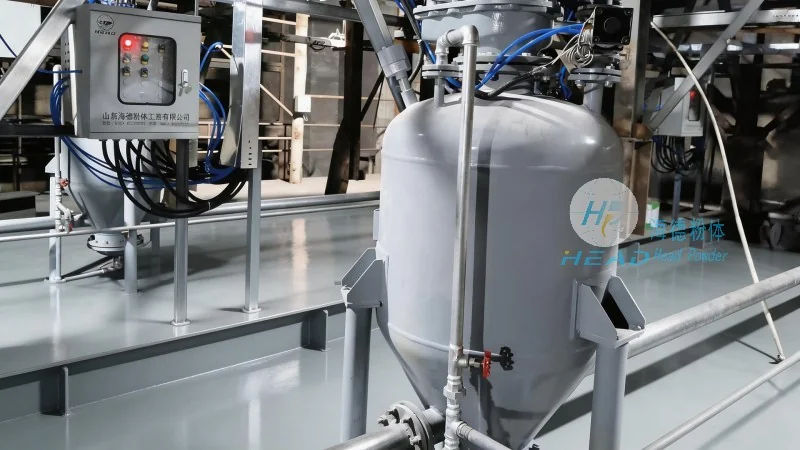
Pneumatic conveying systems use air or other gases to transport iron turnings through a pipeline. These systems are often referred to as air slides or pneumatic conveyors and are particularly effective for transporting dry, free-flowing materials like iron turnings. The material is fed into the system at one end, and a fan or blower creates a pressure differential that moves the material through the pipeline. Pneumatic conveying can be either positive pressure, where air is blown into the system, or negative pressure, where air is drawn out. Positive pressure systems are commonly used for short to medium distances and are effective for moving material from a collection point to a processing area. Negative pressure systems are often used for longer distances or when the material needs to be transported to a different floor level. Pneumatic conveying systems are advantageous because they can transport iron turnings without the need for physical contact, reducing the risk of contamination or damage to the material. They are also capable of handling fine or powdery iron turnings, which might be difficult to move with other methods. However, pneumatic conveying systems require more energy than other methods and may be more complex to install and maintain. The pipeline design is critical to the efficiency of the system, as any bends or changes in direction can affect the flow of the material. Proper maintenance of the fan and filters is also essential to ensure the system operates effectively and prevents dust buildup.
4. Bucket Elevators for Iron Turnings
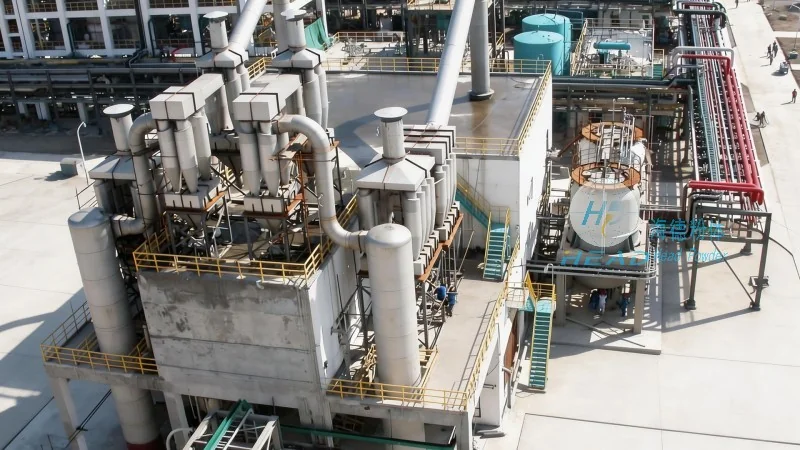
Bucket elevators are a type of vertical conveyor system that uses buckets attached to a chain or belt to transport iron turnings. These systems are commonly used in industrial settings where the material needs to be elevated to a significant height, such as from a ground-level collection point to an upper floor or storage silo. The buckets are filled with iron turnings at the bottom of the elevator and then carried upward by the rotating chain or belt. Once the buckets reach the top, they tip and discharge the material into a collection bin or hopper. Bucket elevators are particularly effective for handling bulk materials like iron turnings, as they can transport large volumes of material at a high rate. They are also capable of handling materials with varying moisture content and particle sizes, making them versatile for different applications. The design of the bucket elevator can be customized to suit the specific needs of the operation, with options for different bucket sizes and spacing. For example, in a metalworking plant, a bucket elevator can be used to transport iron turnings from a collection bin on the ground floor to a processing machine on the second floor. The system is enclosed, which helps to contain dust and prevent the material from escaping. Bucket elevators are known for their high efficiency and reliability, but they require regular maintenance to ensure the buckets and chain or belt are in good condition. The maintenance includes checking for wear and tear, lubricating moving parts, and ensuring the buckets are properly aligned.
5. Vibrating Conveyors for Iron Turnings
Vibrating conveyors are another method for transporting iron turnings, which use vibration to move the material along a trough. These systems consist of a conveyor bed that is supported by springs and connected to a vibrating motor. The vibration causes the material to move forward along the bed, similar to how a conveyor belt works but without the need for rollers. Vibrating conveyors are particularly effective for transporting iron turnings that are sticky or have a tendency to cling together, as the vibration helps to break up clumps and ensure smooth movement. They are also suitable for transporting materials that are difficult to handle with other methods, such as those with high moisture content or abrasive properties. The design of the vibrating conveyor can be adjusted to handle different material characteristics, with options for different vibration frequencies and amplitudes. For instance, in a recycling facility, a vibrating conveyor can be used to transport iron turnings from a hopper to a magnetic separator or a storage bin. The system is relatively simple and low-cost compared to other methods, making it a good choice for small-scale operations or facilities with limited budgets. Vibrating conveyors are also easy to install and maintain, as they have few moving parts and require minimal lubrication. However, they may not be as efficient as other methods for transporting large volumes of material over long distances, and the vibration can sometimes cause noise and wear on the equipment.