

How to Transport Quicklime?
Quicklime, also known as calcium oxide, is a widely used industrial material in sectors such as construction, chemical manufacturing, and environmental treatment. The efficient and safe transportation of quicklime is critical for maintaining production efficiency and ensuring product quality. Different industries have varying requirements for quicklime transport, and selecting the appropriate method is essential. This article explores common quicklime transportation methods and the solutions offered by Shandong HeadPowder Engineering Co., Ltd.

Understanding Quicklime Transportation Requirements
Before discussing specific methods, it's important to understand key factors influencing transport choices. Quicklime is hygroscopic, reacting with moisture to release heat and form slaked lime. This makes it sensitive to environmental conditions and handling. Additionally, quicklime is abrasive and can cause dust issues. The transportation system must minimize moisture exposure, prevent dust dispersion, and ensure stable flow. Operational scale, transport distance, and destination are critical. Small-scale operations may use manual handling or smaller equipment, while large-scale plants require automated, high-capacity systems.
Common Quicklime Transportation Methods
Several established methods exist for quicklime transport, each with advantages and applications. Selection depends on distance, volume, and end-user needs. Primary methods include:
Pipeline Transportation
Pipeline transport is common for long-distance movement, especially in industrial complexes with interconnected units. It involves conveying quicklime through a closed pipeline using positive pressure or vacuum. The pipeline is typically made of corrosion-resistant materials like stainless steel or special alloys to withstand quicklime's chemical properties. The system includes a feeding hopper, rotary valve, and pump/blower. Key advantages: minimizes dust exposure and environmental impact, enables continuous automated operation, reducing labor costs and improving safety. However, initial infrastructure investment is high, and maintenance is more complex. Shandong HeadPowder Engineering Co., Ltd. designs and manufactures pipeline systems tailored to client needs, ensuring reliable and efficient quicklime transport.

Belt Conveyor Systems
Belt conveyor systems are widely used for short to medium-distance transport, particularly in mining, construction, and chemical processing. These systems feature a continuous belt moving over rollers/pulleys, carrying quicklime from source to destination. The belt is made of durable materials like rubber or synthetic fabrics, resisting quicklime's abrasiveness. The design includes a hopper for loading, drive motor, and discharge mechanism. Belt conveyors offer high capacity and handle large volumes. They are relatively simple to install and maintain, cost-effective for many applications. However, they may not suit very long distances or limited space, as length and height are restrictive. Shandong HeadPowder Engineering Co., Ltd. provides customized belt conveyor solutions integrated with existing production lines, ensuring seamless and efficient quicklime handling.
Air-Flow (Pneumatic) Conveying
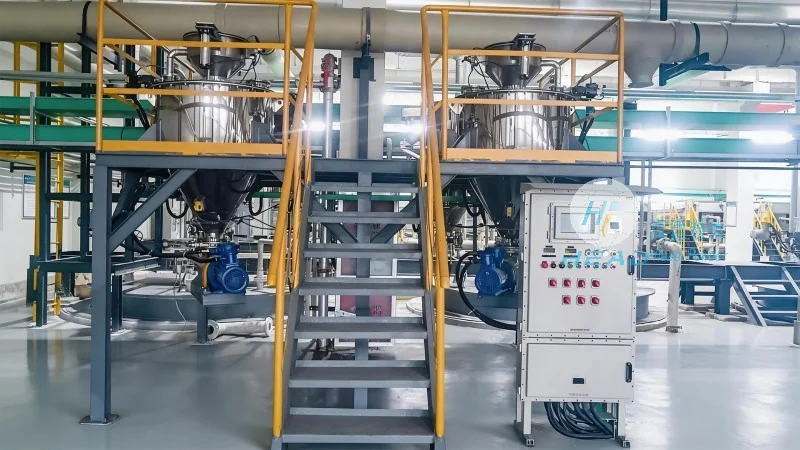
Air-flow or pneumatic conveying is effective for dry, dust-free quicklime transport. This technique uses air pressure to move particles through a pipeline. The system includes a hopper, rotary valve, blower/compressor, and filter. Two main types: positive pressure (blower pushes material) and negative pressure (vacuum draws material). Air-flow is ideal for dust-sensitive applications like food processing or pharmaceuticals and allows long-distance transport without intermediate storage. However, energy consumption is higher, and the system requires regular maintenance. Shandong HeadPowder Engineering Co., Ltd. offers advanced air-flow systems that are energy-efficient and reliable, meeting modern industrial requirements.
Containerized Transport
For bulk long-distance transport, containerized transport is common. Quicklime is loaded into specialized containers (bulk containers or railcars) and transported by trucks, ships, or trains. Containers are airtight and moisture-resistant to prevent reaction during transit. Loading uses hoppers or systems minimizing dust. Ideal for remote deliveries or large-scale projects, offering flexibility in transportation modes and accommodating various quantities. However, it may involve longer lead times due to loading/unloading at each stage. Shandong HeadPowder Engineering Co., Ltd. assists clients with logistics, ensuring safe and efficient handling from production to final destination.
Choosing the Right Quicklime Transportation Method
When selecting a method, consider operational scale, volume, distance, and destination. Small-scale operations may use manual handling or smaller equipment, while large-scale plants need automated systems. Short distances suit belt conveyors or manual handling; long distances require pipeline or air-flow systems. The destination dictates suitability (e.g., nearby plants use conveyors, distant locations use containerized or pipeline systems). Environmental and safety regulations also matter, as some methods have stricter dust control requirements. Shandong HeadPowder Engineering Co., Ltd. provides comprehensive consultation to help clients assess needs and choose the most suitable method, ensuring optimal performance and cost-effectiveness.
Conclusion
Efficient and safe quicklime transportation is vital for industrial processes. The choice depends on scale, distance, and specific needs. Pipeline, belt conveyor, air-flow, and containerized transport are viable options, each with advantages and limitations. Shandong HeadPowder Engineering Co., Ltd. specializes in tailored solutions, leveraging expertise and advanced technology to meet diverse client needs. By understanding key factors and selecting the appropriate method, industries ensure reliable, cost-effective quicklime transport, contributing to operational efficiency and product quality.