

Application and Optimization of Pneumatic Conveying Technology in Magnesium Silicate Transportation
For industrial applications involving the transportation of magnesium silicate, selecting the right material handling system is crucial for efficiency, safety, and cost-effectiveness. Pneumatic conveying technology has emerged as a sophisticated solution that addresses the unique challenges posed by this material. This article explores the application and optimization of pneumatic conveying systems in the design of magnesium silicate transportation processes, highlighting key considerations and benefits.

Understanding Magnesium Silicate and Its Handling Requirements
Magnesium silicate, also known as talc or magnesium hydroxide, is a widely used industrial mineral with applications in cosmetics, pharmaceuticals, and construction. Its fine particle size and low bulk density make traditional bulk handling methods, such as belt conveyors or bucket elevators, less effective. These methods often suffer from material degradation, high maintenance costs, and poor dust control. Pneumatic conveying offers a more controlled and efficient approach to moving these materials, minimizing the risk of contamination and ensuring consistent product quality.
Key Advantages of Pneumatic Conveying for Magnesium Silicate
One of the primary advantages of pneumatic conveying is its ability to handle fine, abrasive materials like magnesium silicate without causing damage. The system uses air pressure to transport particles through a pipeline, reducing friction and wear compared to mechanical systems. This results in lower maintenance requirements and longer equipment life. Additionally, pneumatic conveying provides excellent dust containment, which is critical for maintaining air quality and complying with environmental regulations. The technology also allows for precise control over material flow rates, enabling seamless integration with downstream processes such as mixing, packaging, or further processing.

Design Considerations for Optimized Pneumatic Conveying Systems
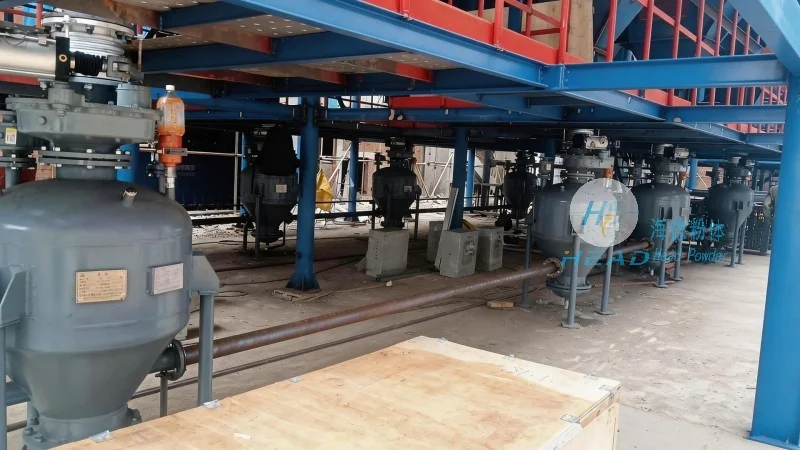
The success of a pneumatic conveying system for magnesium silicate depends on careful design and optimization. Several factors must be considered to ensure the system operates efficiently and reliably. First, the material's properties, including particle size distribution, moisture content, and bulk density, must be thoroughly analyzed. This data helps determine the appropriate air velocity and pressure required for effective transport. Second, the system layout, including the number and placement of feeders, receivers, and bends, plays a critical role in minimizing pressure drops and preventing material buildup. Properly sized and positioned components, such as rotary valves and cyclone separators, are essential for maintaining consistent flow and preventing blockages.

HeadPowder Engineering's Expertise in Pneumatic Conveying Solutions
Shandong HeadPowder Engineering Co., Ltd., a leading provider of material handling solutions, specializes in designing and implementing advanced pneumatic conveying systems tailored to the needs of magnesium silicate applications. With years of experience in the industry, the company has developed a deep understanding of the unique challenges associated with handling this material. HeadPowder's team of engineers leverages cutting-edge technology and industry best practices to create customized solutions that optimize performance, reduce operational costs, and enhance safety. The company's commitment to quality and customer satisfaction has made it a trusted partner for businesses seeking reliable and efficient material transportation solutions.
Case Studies and Real-World Applications
HeadPowder has successfully implemented pneumatic conveying systems for various magnesium silicate projects across different industries. For example, in a cosmetics manufacturing facility, the company designed a system that transported talc from storage silos to production lines, improving throughput by 30% and reducing dust emissions by 50%. In another case, a pharmaceutical company utilized a pneumatic conveying system to move magnesium hydroxide, ensuring consistent product quality and minimizing contamination risks. These success stories demonstrate the effectiveness of HeadPowder's solutions in addressing the specific needs of magnesium silicate transportation.
Conclusion and Future Outlook
Pneumatic conveying technology offers a superior alternative to traditional material handling methods for magnesium silicate transportation. By optimizing system design and leveraging advanced engineering, businesses can achieve significant improvements in efficiency, safety, and cost management. Shandong HeadPowder Engineering Co., Ltd. remains at the forefront of this technology, providing customized solutions that meet the evolving demands of the industry. As the demand for high-quality magnesium silicate products continues to grow, the role of efficient transportation systems will become increasingly critical. HeadPowder's expertise and commitment to innovation ensure that clients receive reliable and effective solutions that support their long-term success.