

How to Convey Seaweed Powder? Methods of Seaweed Powder Transport
When it comes to the efficient transport of seaweed powder, various methods are employed to ensure safe and effective handling. The choice of conveyance method depends on factors such as the powder's characteristics, the distance it needs to travel, and the overall operational requirements of the facility. Here, we explore the common approaches used in the industry for transporting seaweed powder, highlighting the key considerations and benefits of each method.

1. Pneumatic Conveying Systems
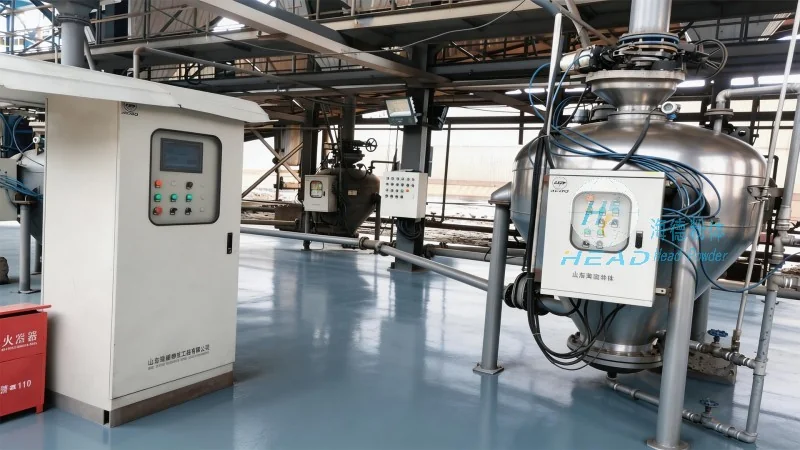
Pneumatic conveying systems are widely used for transporting dry powders like seaweed powder due to their ability to handle fine particles and minimize dust generation. These systems utilize air pressure to move the powder through a network of pipes. There are two main types: pressure and vacuum systems. Pressure systems use compressed air to push the powder forward, while vacuum systems draw the powder into the system using a vacuum pump. The choice between these depends on the distance and the volume of powder to be transported. For example, in a processing plant, a pressure system might be used to move seaweed powder from a storage silo to a processing unit, ensuring a continuous and dust-free transfer.
2. Belt Conveyors
Belt conveyors are another common method for transporting seaweed powder, especially for longer distances or bulk quantities. These systems consist of a continuous belt that moves over rollers, carrying the powder from one location to another. Belt conveyors are particularly effective for handling larger volumes and can be customized with different belt materials to prevent sticking or contamination. For instance, in a manufacturing facility, a belt conveyor might transport dried seaweed powder from a drying area to a packaging line, providing a reliable and efficient means of material movement.

3. Screw Conveyors
Screw conveyors, also known as auger conveyors, are suitable for transporting seaweed powder in a vertical or inclined direction. These systems use a rotating screw to push the powder along a trough. Screw conveyors are ideal for applications where space is limited or where the powder needs to be elevated. They are also capable of handling a wide range of powder characteristics, including those with varying moisture content. In a processing plant, a screw conveyor could be used to move seaweed powder from a lower storage bin to an upper processing unit, ensuring a smooth and controlled flow.
4. Bucket Elevators
Bucket elevators are a specialized type of conveyor system designed for vertical transport of bulk materials, including seaweed powder. These systems use a series of buckets attached to a belt or chain that moves vertically, lifting the powder from a lower level to a higher one. Bucket elevators are highly efficient for vertical transport and can handle large quantities of powder with minimal space requirements. They are often used in facilities where the powder needs to be elevated to a significant height, such as in a storage silo or a processing tower.

5. Hydraulic Conveying
Hydraulic conveying systems use water or a slurry to transport seaweed powder, particularly when the powder has a high moisture content or is prone to clumping. These systems involve mixing the powder with water to form a slurry, which is then pumped through pipelines to the destination. Hydraulic conveying is effective for long-distance transport and can handle abrasive or sticky powders. However, it requires additional equipment for slurry separation and drying, which may increase operational complexity. In some industrial settings, hydraulic systems are used to transport seaweed powder from a processing area to a storage tank, where the slurry is later processed further.
6. Manual Handling and Bulk Bags
For smaller quantities or in situations where automated systems are not feasible, manual handling methods are sometimes employed. This includes using bulk bags or containers to transport seaweed powder. Workers may load the powder into these bags using shovels or other tools and then transport them to the desired location using forklifts or other manual lifting equipment. While less efficient than automated systems, manual handling is cost-effective for low-volume applications and can be used as a supplementary method in conjunction with other conveyance systems.
7. Considerations for Choosing the Right Method
When selecting a conveyance method for seaweed powder, several factors must be considered to ensure optimal performance and efficiency. These include the powder's particle size, moisture content, and flowability, as well as the distance and elevation changes required. The cost of installation and maintenance is also a critical factor, as different systems have varying capital and operational expenses. Additionally, environmental considerations, such as dust control and noise reduction, play a role in the decision-making process. For example, a facility processing fine seaweed powder might prioritize a pneumatic system to minimize dust, while a plant handling larger, bulkier powder might opt for a belt conveyor for cost-effectiveness.
8. Case Study: Application in Shandong HeadPowder Engineering Co., Ltd.
Shandong HeadPowder Engineering Co., Ltd., a leading manufacturer based in China, utilizes a combination of conveyance methods to handle seaweed powder efficiently. The company's processing plant employs pneumatic conveying systems for transporting fine powder from storage silos to processing units, ensuring a dust-free and continuous flow. For bulk transport between different sections of the plant, belt conveyors are used to move larger quantities of dried seaweed powder. Vertical transport is managed using screw conveyors to move powder from lower to upper levels, optimizing space utilization. By integrating these methods, the company maintains high operational efficiency and product quality, meeting the demands of its clients in the seaweed powder industry.