

Choosing Between Positive Pressure and Negative Pressure for Heavy Powder Conveying: How to Distingu
When it comes to heavy powder conveying, selecting the right system is crucial for efficiency, safety, and cost-effectiveness. Two primary methods dominate the industry: positive pressure conveying and negative pressure conveying. Understanding the differences between these two approaches is essential for making an informed decision that aligns with your operational needs. This article will explore the key distinctions, advantages, and considerations of positive pressure versus negative pressure systems, helping you determine which option is best suited for your heavy powder handling requirements.

Understanding the Basics: Positive Pressure and Negative Pressure Conveying
At its core, the difference between positive and negative pressure systems lies in how air is managed within the conveying line. Positive pressure systems force air and material through the pipeline using a blower or fan, while negative pressure systems draw material and air into the line using a vacuum pump or fan. This fundamental distinction impacts system design, material handling capabilities, and operational safety.
Key Differences Between Positive and Negative Pressure Conveying
Positive pressure conveying operates by pushing material through the pipeline under pressure. The system uses a positive displacement blower or centrifugal fan to generate airflow that propels the powder. This method is often preferred for applications requiring high material flow rates and long-distance transport. The pressurized environment helps maintain material integrity and prevents contamination from external air. However, positive pressure systems may require more robust sealing and can generate higher noise levels due to the high-pressure operation.

Negative pressure conveying, on the other hand, works by creating a vacuum in the pipeline, which draws material and air into the system. A vacuum pump or fan pulls the material from the source, creating a suction effect. This approach is typically used for shorter distances and applications where material is sensitive to pressure changes or where dust control is a priority. Negative pressure systems are generally quieter and can handle more delicate materials, but they may have limitations in terms of material flow rate and distance capability.
Advantages and Considerations for Each System
Positive pressure systems offer several advantages for heavy powder conveying. They are highly effective for transporting large quantities of material over long distances, making them suitable for industrial applications such as mining, cement production, and chemical processing. The pressurized environment also helps in maintaining the quality of the material by preventing moisture absorption or contamination from ambient air. Additionally, positive pressure systems can handle abrasive or corrosive materials without significant wear on components, as the high-pressure airflow helps to clean and protect the pipeline.
However, positive pressure systems require careful consideration of safety measures. The pressurized air can pose a risk of explosion if flammable materials are being conveyed, and proper explosion-proof equipment is essential. Furthermore, the system may generate more noise and require more maintenance due to the high-pressure components. The initial investment for positive pressure systems is also typically higher compared to negative pressure systems.

Negative pressure conveying systems excel in applications where dust control and material sensitivity are critical. The vacuum effect helps to contain dust and prevent it from escaping into the environment, making them ideal for indoor or enclosed spaces. These systems are often used in pharmaceutical, food processing, and fine powder applications where maintaining material purity is paramount. The lower pressure operation also reduces the risk of material degradation and makes the system more suitable for delicate or heat-sensitive powders.
Despite their benefits, negative pressure systems have limitations. They are generally less efficient for long-distance or high-volume transport, as the suction effect diminishes over distance. The system may also require more frequent maintenance of the vacuum pump and filters due to the accumulation of dust and material in the line. Additionally, the lower pressure can sometimes lead to material bridging or clogging in the pipeline, especially with cohesive or fine powders.
How to Choose the Right Conveying System for Your Needs
Choosing between positive and negative pressure conveying depends on several factors, including the type of material, distance of transport, required flow rate, and environmental considerations. For heavy, abrasive powders that need to be transported over long distances, a positive pressure system is often the better choice due to its high capacity and durability. For sensitive materials that require dust control and low noise levels, a negative pressure system may be more appropriate.
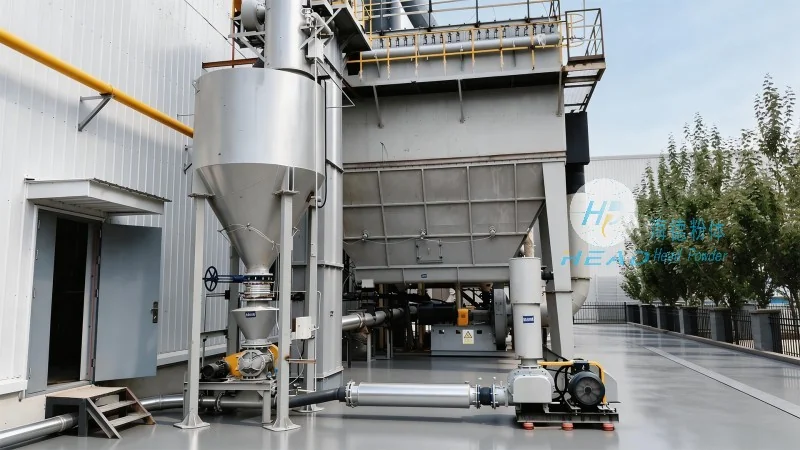
It is also important to consider the operational environment and safety regulations. Positive pressure systems may be restricted in areas with strict explosion-proof requirements, while negative pressure systems are more suitable for indoor applications where dust containment is essential. The cost of installation and maintenance should also be evaluated, as both systems have different long-term operational costs.
Conclusion: Making an Informed Decision with HeadPowder
Ultimately, the choice between positive and negative pressure conveying for heavy powder handling depends on a careful assessment of your specific requirements. At Shandong HeadPowder Engineering Co., Ltd., we specialize in providing tailored conveying solutions that meet the unique needs of our clients. Our team of experts can help you evaluate your material characteristics, transport distances, and operational constraints to recommend the most efficient and cost-effective system. Whether you opt for a positive pressure or negative pressure solution, our focus is on delivering reliable, safe, and high-performance conveying systems that enhance your productivity and protect your workforce. Contact us today to learn more about how we can assist you in selecting the right heavy powder conveying system for your business.