

Methods of Wood Fiber Conveying
Wood fiber conveying is a critical process in various industrial applications, particularly in the pulp and paper industry, biomass energy production, and woodworking sectors. The efficient and reliable transport of wood fibers from processing points to subsequent stages of production is essential for maintaining operational efficiency and product quality. This article explores the primary methods used for wood fiber conveying, focusing on the technologies and considerations that ensure effective material handling. As a leading provider of engineering solutions, Shandong HeadPowder Engineering Co., Ltd. specializes in designing and implementing customized conveying systems tailored to the unique needs of industrial clients.
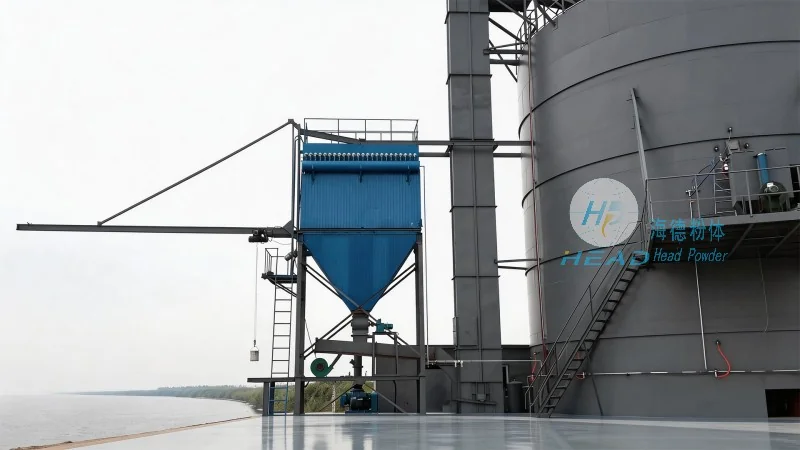
Key Factors Influencing Conveying Method Selection
When selecting a wood fiber conveying method, several factors must be considered to ensure optimal performance. These include the type and moisture content of the wood fibers, the distance and elevation changes between the source and destination, the required throughput capacity, and the environmental conditions of the operation. Additionally, the cost of equipment, maintenance requirements, and the space available for installation play significant roles in the decision-making process. Understanding these factors helps in choosing the most suitable conveying system for a specific application.
Common Wood Fiber Conveying Methods
Several methods are commonly employed for wood fiber conveying, each with its own advantages and limitations. The choice of method often depends on the specific characteristics of the wood fibers and the operational requirements of the facility.
1. Belt Conveyors are widely used for horizontal and slightly inclined transport of wood fibers. These systems consist of a continuous belt that moves over rollers or pulleys, carrying the material from one point to another. Belt conveyors are particularly effective for transporting large volumes of wood chips or sawdust over moderate distances. They are known for their high capacity, low maintenance, and ability to handle a wide range of material types. However, they may require significant space and are less suitable for vertical or steep inclines.

2. Screw Conveyors, also known as auger conveyors, use a rotating screw to move wood fibers through a tube or trough. This method is ideal for vertical or inclined transport and is particularly effective for handling fibrous materials with higher moisture content. Screw conveyors are compact, easy to install, and can be designed to handle both dry and wet wood fibers. They are commonly used in feed mills and biomass processing plants. The main limitation of screw conveyors is their lower capacity compared to belt conveyors and potential for material degradation if the screw speed is too high.
3. Pneumatic Conveying, or air-based systems, use compressed air to transport wood fibers through a pipeline. This method is highly flexible and can handle both dry and wet materials, making it suitable for applications where dust control is a priority. Pneumatic conveying systems can transport materials over long distances and through vertical lifts, but they require higher energy input and may be less efficient for very fine or lightweight fibers. The system typically includes a hopper, a blower, and a receiver, with the material being carried in the air stream.

4. Hydraulic Conveying is less common but can be used for transporting wood fibers in water-based systems, such as in pulp processing. This method involves using water to move the fibers through a pipeline, often in conjunction with a pump. Hydraulic conveying is effective for handling wet pulp and can be used for both horizontal and vertical transport. However, it requires careful management of water quality and may not be suitable for dry wood chips.
Considerations for Equipment Selection and Maintenance
Once a conveying method is selected, proper equipment selection and regular maintenance are crucial for ensuring long-term performance and reliability. For belt conveyors, regular inspection of the belt tension, pulley alignment, and idler bearings is essential to prevent downtime and material spillage. Screw conveyors require periodic cleaning of the screw and trough to prevent material buildup and blockages. Pneumatic systems need to maintain proper air pressure and filter the air to prevent dust accumulation and system damage.
Additionally, the choice of materials for the conveyor components is important. For example, stainless steel or corrosion-resistant materials may be needed for systems handling wet or acidic wood fibers. Proper lubrication and alignment of moving parts can significantly extend the lifespan of the equipment and reduce operational costs.