

Choosing Between Positive Pressure and Negative Pressure for High-Calcium Limestone Powder Conveying
When it comes to transporting high-calcium limestone powder, selecting the right conveying method is crucial for efficiency, cost-effectiveness, and operational safety. Two primary approaches dominate the industry: positive pressure conveying and negative pressure conveying. Understanding the distinctions between these methods is essential for making an informed decision that aligns with specific operational requirements. This article explores the key differences, advantages, and practical considerations for each approach, helping you determine which method is best suited for your high-calcium limestone powder handling needs.
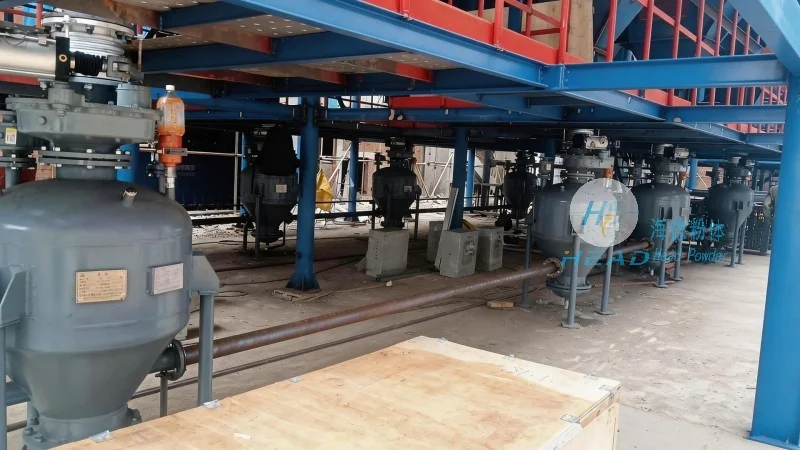
Understanding Positive Pressure Conveying for High-Calcium Limestone Powder
Positive pressure conveying, also known as pressure pneumatic conveying, involves forcing air or gas through a system to move material. In this method, a blower or compressor generates positive pressure within the conveying line, pushing the limestone powder from the source to the destination. This approach is particularly effective for applications requiring high material throughput and long-distance transport. The high pressure ensures that the material is continuously moved, minimizing the risk of clogging or blockages. For high-calcium limestone powder, which can be abrasive and prone to dust generation, positive pressure systems often incorporate specialized equipment such as rotary valves, dust collectors, and material feeders to maintain consistent flow and prevent material degradation.
Advantages of Positive Pressure Conveying
One of the main advantages of positive pressure conveying is its ability to handle high volumes of material over extended distances. This makes it ideal for large-scale industrial operations where the limestone powder needs to be transported from a storage silo to a processing plant or a distribution center. The positive pressure also helps in maintaining a consistent flow rate, which is critical for processes that rely on precise material delivery. Additionally, positive pressure systems are generally more reliable in environments with high ambient temperatures or humidity, as the pressurized air helps to keep the material dry and free from moisture-related issues. However, it's important to note that positive pressure conveying can be more energy-intensive compared to negative pressure systems, as it requires continuous operation of the blower or compressor.

Understanding Negative Pressure Conveying for High-Calcium Limestone Powder
Negative pressure conveying, or vacuum pneumatic conveying, operates by creating a vacuum in the conveying line, which draws the material from the source to the destination. This method uses a vacuum pump to reduce pressure in the system, causing the limestone powder to be pulled along the line. Negative pressure conveying is often preferred for shorter distances and applications where the material needs to be collected from multiple points or from a dusty environment. The vacuum helps to capture and transport the material without generating excessive dust, making it suitable for indoor or enclosed spaces where dust control is a priority. For high-calcium limestone powder, negative pressure systems typically use cyclone separators or bag filters to collect the material and prevent dust from escaping into the environment.
Advantages of Negative Pressure Conveying
One of the key benefits of negative pressure conveying is its lower energy consumption compared to positive pressure systems. Since the vacuum pump only operates when material is being conveyed, it can save on operational costs, especially for applications with intermittent material flow. Negative pressure systems are also more compact and easier to install in confined spaces, as they do not require the high-pressure components of positive pressure systems. This makes them a good choice for facilities with limited floor space or where the conveying distance is relatively short. However, negative pressure conveying may not be as effective for long-distance transport or for handling highly abrasive materials, as the vacuum can sometimes lead to material degradation or clogging if not properly maintained.

Distinguishing Between Positive and Negative Pressure Conveying
So, how do you choose between positive and negative pressure conveying for high-calcium limestone powder? The decision largely depends on several factors, including the distance between the source and destination, the volume of material to be transported, the need for dust control, and the available space for equipment installation. For long-distance or high-volume transport, positive pressure conveying is often the better option due to its higher throughput and reliability. For shorter distances or applications requiring strict dust control, negative pressure conveying may be more suitable. Additionally, the nature of the limestone powder itself plays a role—for example, if the powder is highly abrasive or prone to clumping, positive pressure systems with robust components may be necessary to prevent equipment wear and maintain consistent flow.
Practical Considerations and Recommendations
When selecting a conveying method for high-calcium limestone powder, it's essential to consider the specific characteristics of the material, such as its particle size, moisture content, and abrasiveness. These factors can significantly impact the performance of both positive and negative pressure systems. For instance, if the limestone powder has a high moisture content, positive pressure conveying may be preferred as it helps to keep the material dry and prevent clogging. Conversely, if the powder is very fine and prone to dust, negative pressure systems with efficient dust collection can help maintain a cleaner environment. It's also important to evaluate the operational costs, including energy consumption, maintenance requirements, and equipment lifespan. Positive pressure systems may have higher initial costs and maintenance needs due to the blower or compressor, but they offer better performance for high-volume applications. Negative pressure systems, while more energy-efficient, may require more frequent filter changes and maintenance to ensure proper dust collection.