

Technical Analysis of Aluminum Hydroxide Powder Pneumatic Conveying Systems: A Comparison of Positiv
Aluminum hydroxide is a widely used industrial chemical, often required to be transported efficiently and safely from production sites to processing or storage facilities. Pneumatic conveying systems have become a critical technology for handling such powders, offering advantages like reduced dust, improved safety, and the ability to transport materials over long distances. This article provides a technical analysis of aluminum hydroxide powder pneumatic conveying systems, focusing on the two primary modes of operation: positive pressure and negative pressure conveying. By examining the characteristics, advantages, and limitations of each mode, we aim to help industrial operators and engineers make informed decisions when selecting the most suitable conveying system for their specific applications.

Introduction to Aluminum Hydroxide and Pneumatic Conveying
Aluminum hydroxide, with the chemical formula Al(OH)₃, is a white solid used in various industries, including pharmaceuticals, cosmetics, and as a flame retardant in plastics and textiles. Its fine powder form requires specialized handling due to its potential to cause respiratory issues and dust explosions if not managed properly. Pneumatic conveying systems use air or other gases to transport bulk powders through a pipeline, eliminating the need for mechanical components like belts or buckets that can cause contamination or material degradation. The choice between positive pressure and negative pressure conveying depends on factors such as material properties, system design, and operational requirements.
Positive Pressure Conveying Mode
Positive pressure conveying, also known as pressure pneumatic conveying, operates by pressurizing the entire conveying line with air or a gas. The system typically includes a blower or compressor at the inlet, which generates the necessary pressure to move the material through the pipeline. This mode is particularly effective for transporting aluminum hydroxide powder over long distances or through complex network systems, as the high pressure ensures consistent material flow and prevents blockages. The positive pressure system is often preferred when the material is sensitive to moisture or when the conveying line must traverse multiple levels or obstacles.
Key advantages of positive pressure conveying for aluminum hydroxide include high conveying capacity, the ability to handle abrasive or corrosive materials without wear on the system components, and reduced risk of material degradation due to the enclosed system. However, this mode requires robust equipment to withstand the higher pressures, and the cost of installation and maintenance can be higher compared to negative pressure systems. Additionally, positive pressure systems may generate more noise and require proper ventilation to manage the exhaust air.

Negative Pressure Conveying Mode
Negative pressure conveying, or vacuum pneumatic conveying, operates by creating a vacuum at the receiving end of the system. The vacuum draws the aluminum hydroxide powder from the source into the pipeline, with the air flow carrying the material to the destination. This mode is often used for shorter conveying distances or when the material needs to be transported from a higher elevation to a lower one, as the vacuum helps pull the material downward. Negative pressure systems are generally more cost-effective and simpler to install compared to positive pressure systems, as they do not require high-pressure blowers.
Advantages of negative pressure conveying include lower initial costs, reduced energy consumption for small-scale operations, and the ability to handle materials that are more sensitive to pressure changes. However, this mode has limitations, such as lower conveying capacity compared to positive pressure systems, and the risk of dust leakage at the inlet, which can lead to environmental and safety issues. The vacuum system also requires careful maintenance to prevent air leaks, which could compromise the conveying efficiency and safety.
Comparison of Positive and Negative Pressure Conveying for Aluminum Hydroxide
When selecting between positive and negative pressure conveying for aluminum hydroxide powder, several factors must be considered. The distance and layout of the conveying line are critical: positive pressure is better suited for long distances or complex networks, while negative pressure is more appropriate for shorter distances or vertical transport. Material properties, such as particle size, moisture content, and abrasiveness, also influence the choice. For example, fine aluminum hydroxide powders with high moisture content may benefit from the enclosed environment of a positive pressure system to prevent clumping or degradation. Conversely, materials that are less abrasive and require lower energy consumption may be better suited for negative pressure systems.
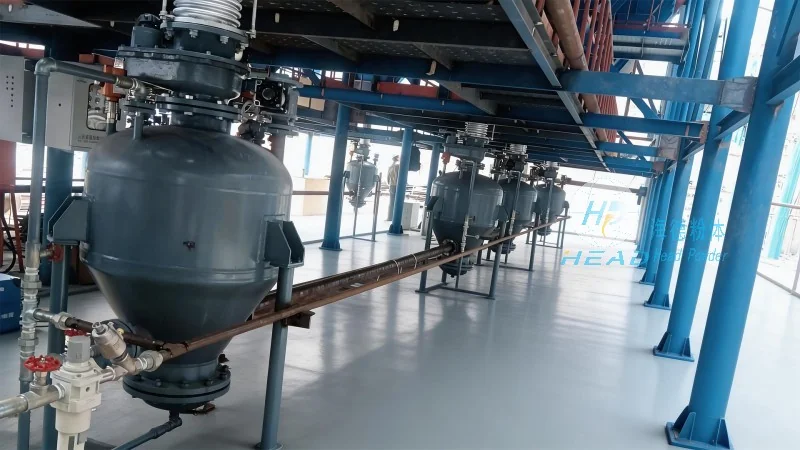
Operational considerations, including the need for dust control and safety measures, also play a role. Positive pressure systems are generally more effective at containing dust and preventing emissions, as the pressurized environment reduces the risk of leaks. Negative pressure systems, while simpler, may require additional filtration and exhaust systems to comply with environmental regulations. The cost of operation and maintenance is another key factor: positive pressure systems may have higher energy costs due to the continuous operation of the blower, while negative pressure systems may have lower energy consumption but higher maintenance costs for the vacuum pump and filtration system.
System Design and Components for Aluminum Hydroxide Pneumatic Conveying
The design of a pneumatic conveying system for aluminum hydroxide involves several key components, regardless of the pressure mode. These include the material feed hopper, which ensures a consistent flow of powder into the system; the air or gas source (blower or compressor for positive pressure, vacuum pump for negative pressure); the conveying pipeline, which is typically made of materials resistant to corrosion and abrasion, such as stainless steel or plastic; and the receiving hopper or silo, which collects the material at the destination.
For positive pressure systems, the blower is typically a positive displacement type, such as a rotary lobe or Roots blower, which can generate high pressures and maintain consistent flow rates. The pipeline is often equipped with check valves and flow control devices to prevent backflow and regulate the material flow. For negative pressure systems, the vacuum pump is usually a rotary vane or liquid ring pump, which creates the necessary vacuum. The pipeline may include filters and cyclones to separate the air from the material at the receiving end, ensuring that the material is deposited without dust emissions.

Applications and Case Studies
Aluminum hydroxide powder pneumatic conveying systems are widely used in various industrial applications. In the pharmaceutical industry, for example, positive pressure systems are preferred to maintain a sterile environment and prevent contamination of the powder. In the cosmetics industry, negative pressure systems may be used for shorter distances between production and packaging lines, as the material is less sensitive to pressure changes. In the flame retardant industry, both modes are used depending on the scale of production and the distance between the production facility and the end-user.
Case studies from Shandong HeadPowder Engineering Co., Ltd. (headpowder) illustrate the effectiveness of these systems. One project involved the installation of a positive pressure conveying system for aluminum hydroxide in a large-scale chemical plant in China. The system was designed to transport the powder over a distance of 500 meters through a complex network of pipelines, with the positive pressure mode ensuring consistent flow and preventing blockages. The system has been in operation for over two years, with minimal maintenance and high conveying efficiency. Another project used a negative pressure system to transport aluminum hydroxide from a storage silo to a processing plant, with the vacuum mode effectively pulling the material over a shorter distance of 100 meters. The system has demonstrated low energy consumption and cost-effectiveness, making it suitable for smaller-scale operations.
Conclusion
In conclusion, the choice between positive pressure and negative pressure conveying modes for aluminum hydroxide powder pneumatic conveying systems depends on a variety of factors, including the distance and layout of the conveying line, material properties, operational requirements, and cost considerations. Positive pressure systems offer higher conveying capacity, better dust control, and suitability for long or complex networks, while negative pressure systems provide lower initial costs, reduced energy consumption, and simplicity for shorter distances. By carefully evaluating these factors, industrial operators can select the most appropriate conveying system to ensure efficient, safe, and cost-effective transport of aluminum hydroxide powder.