

Common Methods for Bentonite Transport
When it comes to transporting bentonite, there are several common methods that are widely used in the industry. These methods are chosen based on factors such as the distance of transport, the volume of bentonite being moved, and the specific requirements of the project. Understanding these common transport methods can help businesses and project managers select the most efficient and cost-effective solution for their needs. The information provided is based on the expertise of Shandong HeadPowder Engineering Co., Ltd., a leading company in the bentonite industry with operations based in Shandong, China.

Overview of Bentonite Transport Methods
Bentonite, a natural clay with excellent swelling properties, is commonly used in various industries including construction, oil and gas, and environmental remediation. The efficient and safe transport of bentonite is crucial for maintaining the quality and integrity of the material. There are primarily three common methods for bentonite transport: pipeline transport, truck transport, and vessel transport. Each method has its own advantages and is suitable for different scenarios.
Pipeline Transport of Bentonite
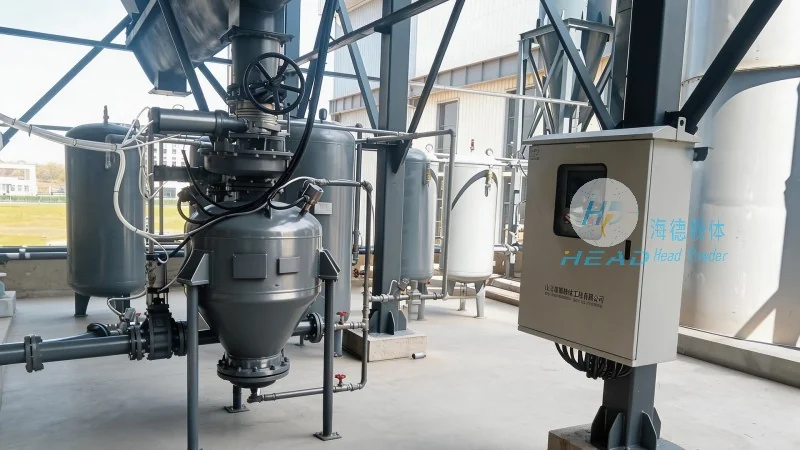
Pipeline transport is a highly efficient method for moving large volumes of bentonite over long distances. This method involves pumping bentonite slurry through a pipeline system. The slurry is typically mixed with water to achieve the desired consistency, making it easier to pump. The pipeline system can be either above ground or buried underground, depending on the terrain and project requirements. One of the main advantages of pipeline transport is its ability to move large quantities of bentonite continuously without the need for frequent stops. This method is particularly suitable for projects that require a steady supply of bentonite over an extended period, such as in oil field operations or large-scale construction projects.

Truck Transport of Bentonite
Truck transport is a versatile and widely used method for bentonite transport, especially for shorter distances or when the volume is not as large as required for pipeline transport. Bentonite can be transported in bulk using specialized trucks equipped with tanks or containers. The material is often delivered in a dry or semi-dry form, which is then mixed with water at the job site to achieve the desired consistency. Truck transport offers flexibility in terms of delivery locations and can reach areas that may not be accessible by pipelines. It is commonly used in construction sites where bentonite is needed for soil stabilization, foundation work, or as a sealing material. The trucks used for bentonite transport are typically designed to handle the heavy and sometimes abrasive nature of the material, ensuring safe and efficient delivery.
Vessel Transport of Bentonite
Vessel transport is primarily used for moving bentonite over long distances, particularly when the destination is across water bodies. Bentonite can be transported in bulk using ships or barges. The material is loaded into the vessel and transported to the port of destination. Once at the port, it can be offloaded and then transported further by truck or pipeline to the final site. This method is suitable for projects located near waterways or for international trade of bentonite. Vessel transport allows for the movement of very large quantities of bentonite, making it an economical option for bulk shipments. However, it is important to ensure that the vessel is properly equipped to handle the material and that all safety regulations are followed during transport.
Factors Influencing the Choice of Transport Method
The choice of bentonite transport method depends on several factors. The distance of the transport is a major consideration. For short distances, truck transport is often the most practical option. For medium to long distances, pipeline transport may be more cost-effective, especially for large volumes. For international or cross-water transport, vessel transport is the primary method. The volume of bentonite required also plays a role. Large-scale projects may benefit from pipeline or vessel transport to handle high volumes efficiently. The destination of the bentonite is another factor. If the bentonite is needed at a specific construction site, truck transport may be the most direct method. The availability of infrastructure, such as pipelines or ports, also influences the choice. For example, if a pipeline system already exists near the project site, pipeline transport may be preferred. Finally, cost is a significant factor. Each transport method has different costs associated with it, and the choice should be based on a cost-benefit analysis to ensure the most economical solution.
Conclusion
In conclusion, bentonite can be transported using several common methods, each with its own advantages and suitable applications. Pipeline transport is ideal for large volumes over long distances, truck transport offers flexibility for shorter distances and on-site delivery, and vessel transport is used for bulk shipments over water. The choice of transport method should be based on a thorough evaluation of the project requirements, including distance, volume, destination, and available infrastructure. By selecting the appropriate transport method, businesses can ensure the efficient and safe delivery of bentonite, maintaining its quality and integrity for the intended applications. Shandong HeadPowder Engineering Co., Ltd. specializes in providing high-quality bentonite and related transport solutions, serving clients with expertise and reliability from its base in Shandong, China.