

Choosing Between Positive Pressure and Negative Pressure for Dry Flue Gas Desulfurization Ash Pneuma
When it comes to the pneumatic conveying of dry flue gas desulfurization (FGD) ash, selecting the appropriate system—whether positive pressure or negative pressure—is a critical decision that impacts operational efficiency, cost-effectiveness, and environmental compliance. This article explores the key factors to consider when choosing between these two methods, helping industrial facilities make an informed decision tailored to their specific needs.
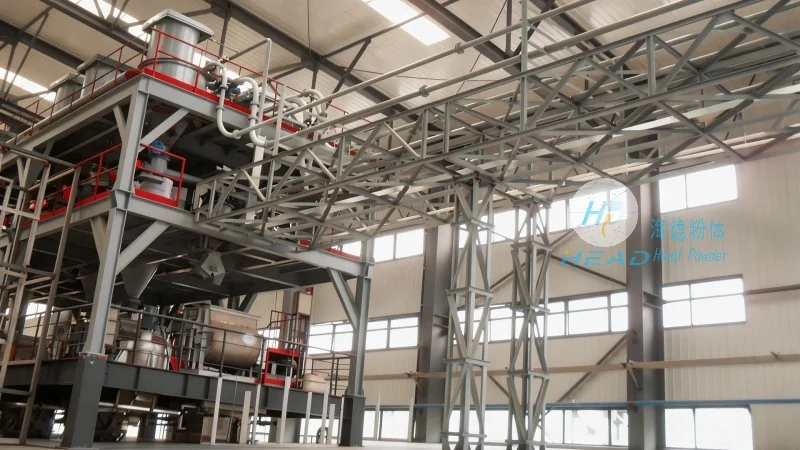
Understanding Pneumatic Conveying Systems
Pneumatic conveying is a method used to transport bulk materials like FGD ash through a pipeline using air or gas as the conveying medium. The two primary types are positive pressure and negative pressure systems, each with distinct characteristics and applications.
Differentiating Positive Pressure and Negative Pressure Conveying
Positive pressure systems operate by blowing air or gas into the conveying line, creating a pressure higher than the ambient air pressure. This forces the material to move through the pipeline. In contrast, negative pressure systems create a vacuum or lower pressure inside the line, drawing the material from the source into the pipeline.

Key Considerations for System Selection
The choice between positive and negative pressure depends on several factors, including the distance of material transport, the volume of ash to be handled, the material's properties (such as moisture content and particle size), and the overall system layout. For example, positive pressure systems are often preferred for long-distance transport or when the ash is abrasive, as they can maintain higher pressure and reduce the risk of blockages. Negative pressure systems, on the other hand, are suitable for shorter distances or when the ash is less abrasive, as they require less energy and are easier to install in existing facilities.
HeadPowder's Expertise in FGD Ash Conveying Solutions
Shandong HeadPowder Engineering Co., Ltd., a leading provider of industrial conveying solutions, specializes in designing and implementing customized pneumatic conveying systems for FGD ash. With years of experience in the field, HeadPowder understands the unique challenges associated with handling this material and offers tailored solutions that meet the specific requirements of each client.

Customized System Design for Optimal Performance
HeadPowder's team of engineers works closely with clients to assess their operational needs and recommend the most suitable conveying method. Whether a positive pressure or negative pressure system is chosen, the design process considers factors such as the ash's physical properties, the required conveying distance, and the client's budget constraints. The company's expertise ensures that the selected system operates efficiently, minimizing downtime and maintenance costs.

Benefits of Choosing HeadPowder for FGD Ash Conveying
By partnering with HeadPowder, industrial facilities can benefit from several advantages, including improved operational efficiency, reduced energy consumption, and enhanced environmental compliance. The company's customized solutions are designed to handle the specific challenges of FGD ash, such as high moisture content or abrasive particles, ensuring reliable and consistent performance.
Conclusion
Choosing between positive pressure and negative pressure for dry FGD ash pneumatic conveying requires careful consideration of various factors. By understanding the differences between these systems and consulting with industry experts like HeadPowder, facilities can select the most appropriate solution to meet their operational and financial goals. With its expertise in designing and implementing customized conveying systems, Shandong HeadPowder Engineering Co., Ltd. is well-positioned to help clients achieve optimal performance and efficiency in their FGD ash handling processes.