

Design of Negative Pressure Pneumatic Conveying Equipment for Fiber Materials
HeadPowder, a leading engineering company based in Shandong, China, specializes in the design and manufacturing of advanced negative pressure pneumatic conveying systems tailored for handling fiber materials. This article explores the key aspects of such equipment, highlighting its design principles, technical features, and practical applications.

Understanding Negative Pressure Pneumatic Conveying for Fiber Materials
Negative pressure pneumatic conveying, also known as suction conveying, is a method that uses a vacuum to draw material from a source to a destination. This approach is particularly advantageous for fiber materials, which often require gentle handling to prevent damage or degradation. Unlike positive pressure systems that push air and material through a pipeline, negative pressure systems create a low-pressure environment that pulls the material, minimizing stress on the product and ensuring a clean, efficient transfer process.
Key Design Considerations for Fiber Material Conveying Systems
The design of a negative pressure pneumatic conveying system for fiber materials involves several critical factors to ensure optimal performance and reliability. First, the system must be capable of handling the specific characteristics of fiber materials, such as their bulk density, flowability, and potential for bridging or clogging. HeadPowder engineers address these challenges by incorporating specialized components like high-efficiency cyclones, rotary valves, and flexible hose connections that can accommodate the unique handling needs of fibers.

Another crucial design aspect is the system's ability to maintain a consistent vacuum level throughout the conveying process. This is achieved through the use of robust vacuum pumps and pressure regulators that ensure the pipeline remains under negative pressure, preventing air ingress and maintaining the integrity of the material flow. The system's layout, including the placement of inlets, outlets, and intermediate storage points, is also carefully planned to minimize pressure drops and ensure smooth material transfer.
Technical Features and Advantages of HeadPowder's Fiber Conveying Solutions
HeadPowder's negative pressure pneumatic conveying equipment for fiber materials is equipped with a range of advanced features that enhance its performance and user experience. One of the standout features is the use of high-quality materials for the conveying lines and components, such as stainless steel or corrosion-resistant alloys, which are essential for handling fiber materials that may be abrasive or contain moisture. The system also incorporates intelligent control systems that allow for real-time monitoring of pressure, flow rate, and material level, enabling operators to adjust the process parameters as needed to maintain optimal performance.

A key advantage of negative pressure conveying is its ability to handle a wide variety of fiber materials, including wood chips, pulp, and textile fibers, with minimal product loss. The gentle suction action reduces the risk of material breakage or degradation, making it ideal for applications where product quality is paramount. Additionally, the system is designed to be compact and space-efficient, which is particularly beneficial for facilities with limited floor space or where integration with existing production lines is required.
Applications and Industry Impact
The negative pressure pneumatic conveying systems designed by HeadPowder are widely used in various industries that rely on fiber materials, such as the pulp and paper industry, the textile industry, and the wood processing sector. In the pulp and paper industry, these systems are used to transport raw materials like wood chips or pulp from storage to processing units, ensuring a continuous and efficient supply chain. In the textile industry, they are employed to convey raw fibers or finished products, such as yarn or fabric, between different stages of production. The wood processing industry also benefits from these systems, as they enable the efficient transfer of wood chips or sawdust from storage to manufacturing equipment.
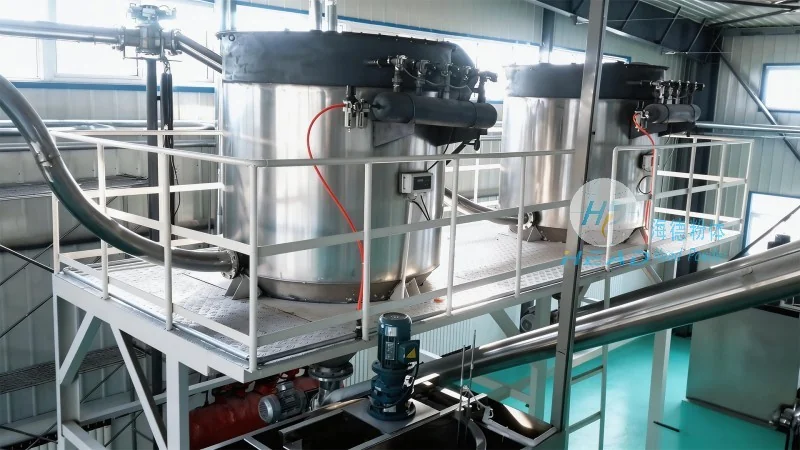
By providing a reliable and efficient means of handling fiber materials, HeadPowder's negative pressure pneumatic conveying equipment helps businesses improve their operational efficiency, reduce material waste, and enhance product quality. The system's design, which prioritizes gentle handling and minimal product loss, aligns with the industry's growing emphasis on sustainability and environmental responsibility. As a result, companies that adopt these systems can achieve significant cost savings and improve their overall competitiveness in the market.
Conclusion
HeadPowder's expertise in designing negative pressure pneumatic conveying equipment for fiber materials demonstrates a deep understanding of the unique challenges associated with handling these materials. By incorporating advanced engineering principles and high-quality components, the company provides solutions that are both effective and reliable. As the demand for efficient and sustainable material handling systems continues to grow, HeadPowder remains at the forefront of innovation, offering tailored solutions that meet the specific needs of its clients in Shandong and beyond.