

Comparison of Advantages and Disadvantages of Negative Pressure vs. Positive Pressure Conveying for
When it comes to the pneumatic transport of titanium dioxide powder, selecting the appropriate conveying method is crucial for ensuring efficient and cost-effective material handling. Two primary approaches are widely used: negative pressure conveying and positive pressure conveying. Each method has its own set of advantages and disadvantages, which can significantly impact operational performance, equipment maintenance, and overall system reliability. This article provides a detailed comparison of the key pros and cons associated with negative pressure versus positive pressure conveying systems for titanium dioxide powder applications.
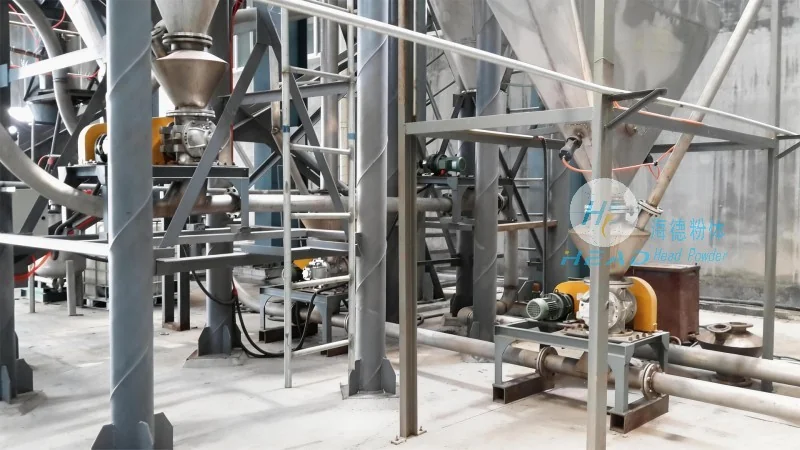
Introduction to Pneumatic Conveying Systems
Pneumatic conveying systems are widely utilized in the chemical and mineral processing industries to transport bulk materials like titanium dioxide powder over short to medium distances. These systems rely on the movement of air or gas to transport the powder through a pipeline network. The choice between negative pressure (suction) and positive pressure (blowing) conveying depends on factors such as material characteristics, system layout, and operational requirements. Understanding the differences between these two methods is essential for selecting the most suitable solution for a given titanium dioxide powder handling application.
Key Characteristics of Negative Pressure Conveying
Negative pressure conveying, also known as suction conveying, operates by creating a vacuum at the material inlet to draw the powder into the conveying line. This method is often preferred for applications where the material needs to be transported from multiple sources or over longer distances, as it can effectively capture and transport the powder without the need for high-pressure air sources. The system typically includes a suction fan or vacuum pump at the receiving end, which pulls the powder through the pipeline.
Advantages of Negative Pressure Conveying
One of the primary advantages of negative pressure conveying is its ability to handle fine and dusty materials without causing excessive wear on the equipment. The low-pressure operation reduces the risk of material degradation and minimizes the need for high-capacity air compressors, which can be energy-intensive. Additionally, negative pressure systems are generally more flexible in terms of layout, as they can accommodate multiple inlet points and can be easily integrated with existing infrastructure. This flexibility makes them suitable for applications where the material source may change or where the system needs to be expanded over time.
Disadvantages of Negative Pressure Conveying
Despite its advantages, negative pressure conveying has several drawbacks that may limit its use in certain titanium dioxide powder applications. The main disadvantage is the lower conveying capacity compared to positive pressure systems. The vacuum created by the suction fan limits the amount of powder that can be transported per unit time, which may not be sufficient for high-volume production lines. Another significant issue is the risk of system backflow or dust leakage, as the negative pressure can draw air and contaminants into the system if not properly sealed. This can lead to increased maintenance and potential environmental compliance issues. Furthermore, the system may require more complex filtration and dust collection equipment to prevent air pollution and maintain air quality standards.

Key Characteristics of Positive Pressure Conveying
Positive pressure conveying, or blowing conveying, operates by forcing air or gas through the conveying line using a high-pressure blower or compressor. The material is then carried by the air stream through the pipeline to the discharge point. This method is commonly used for short to medium distance transport and is particularly effective for handling abrasive or heavy materials. The system typically includes a blower at the discharge end, which pushes the powder through the pipeline.
Advantages of Positive Pressure Conveying
Positive pressure conveying offers several advantages that make it a popular choice for titanium dioxide powder handling. The most significant advantage is its higher conveying capacity compared to negative pressure systems. The high-pressure air stream can transport larger quantities of powder per unit time, making it suitable for high-volume production lines and continuous operation. Additionally, positive pressure systems are generally more energy-efficient for short to medium distances, as the blower can be sized to match the system's requirements without the need for large vacuum pumps. The system also provides better control over the material flow rate and can be easily integrated with other process equipment, such as mixers or classifiers.
Disadvantages of Positive Pressure Conveying
However, positive pressure conveying also has its limitations. One of the main disadvantages is the higher risk of material degradation due to the high-velocity air stream and potential for abrasion. The high pressure can cause the powder to break down or agglomerate, affecting its quality and performance. Another issue is the increased wear and tear on the equipment, particularly the blower and pipeline components, due to the abrasive nature of titanium dioxide powder. This can lead to higher maintenance costs and more frequent equipment replacement. Furthermore, positive pressure systems may require more robust sealing and filtration to prevent dust leakage and maintain air quality, which can add to the overall system complexity and cost.

Comparative Analysis: Negative Pressure vs. Positive Pressure Conveying
When comparing negative pressure and positive pressure conveying for titanium dioxide powder, several factors need to be considered. The choice between the two methods depends on the specific application requirements, such as the distance to be covered, the volume of material to be transported, and the material's physical properties. For example, negative pressure conveying is often preferred for long-distance or multi-point collection applications, while positive pressure conveying is better suited for short-distance or high-volume transport. The energy consumption and operational costs also play a significant role, as negative pressure systems may be more energy-efficient for longer distances, while positive pressure systems offer higher capacity for shorter distances.
Impact on System Maintenance and Reliability
The choice of conveying method also affects the maintenance requirements and overall system reliability. Negative pressure systems typically have lower maintenance needs due to the lower pressure and reduced wear on components. However, they may require more frequent filter changes and dust collection maintenance to prevent system blockages. Positive pressure systems, on the other hand, may require more frequent inspection and replacement of blower components and pipeline parts due to the higher pressure and abrasive nature of the material. The system's reliability is also influenced by the availability of spare parts and the expertise of the maintenance team, as both methods may have specific parts that are more prone to failure.
Environmental and Safety Considerations
Environmental and safety considerations are critical when selecting a pneumatic conveying system for titanium dioxide powder. Negative pressure systems may generate more dust and require more robust filtration to prevent air pollution, as the vacuum can draw contaminants into the system. Positive pressure systems, while generally cleaner at the discharge end, may have higher emissions at the inlet due to the high-pressure air release. Both methods need to comply with local environmental regulations regarding dust emissions and air quality. Safety aspects, such as the risk of explosion in the case of combustible dust, also need to be addressed by implementing appropriate explosion-proof designs and safety measures in both negative and positive pressure systems.
Conclusion
In conclusion, the choice between negative pressure and positive pressure conveying for titanium dioxide powder depends on a careful evaluation of the application's specific requirements, including distance, volume, material properties, and operational constraints. Negative pressure conveying offers advantages in terms of flexibility and lower wear on equipment but has limitations in capacity and dust control. Positive pressure conveying provides higher capacity and energy efficiency for short distances but requires more robust equipment and maintenance. By understanding the pros and cons of each method, industry professionals can select the most suitable conveying system to ensure efficient, reliable, and cost-effective handling of titanium dioxide powder. Shandong HeadPowder Engineering Co., Ltd., a leading provider of pneumatic conveying solutions, offers tailored systems that address the unique challenges of titanium dioxide powder transport, combining the benefits of both negative and positive pressure technologies to meet the diverse needs of the industry.