

What Are the Methods for Fine Polishing Sand Conveyance? An Introduction to HeadPowder's Fine Polishing Sand Pneumatic Conveying System
When it comes to the efficient and reliable transport of fine polishing sand, selecting the right conveyance method is crucial for industrial applications. Fine polishing sand, often used in surface finishing processes, requires specialized handling to prevent degradation and ensure consistent performance. This article explores various methods for fine polishing sand conveyance, with a focus on the advanced pneumatic conveying solutions offered by Shandong HeadPowder Engineering Co., Ltd., commonly known as HeadPowder.
Overview of Fine Polishing Sand Conveyance Methods
Fine polishing sand, characterized by its small particle size and abrasive properties, presents unique challenges during transport. Traditional methods such as manual handling or simple mechanical conveyors may lead to material loss, contamination, or uneven distribution. To address these issues, several conveyance techniques have been developed, each with its own advantages and limitations. The primary methods include mechanical conveyors, pneumatic conveying systems, and hydraulic systems, with pneumatic conveying emerging as the most effective solution for fine polishing sand due to its ability to handle fine particles without clogging or degradation.
HeadPowder's Pneumatic Conveying System for Fine Polishing Sand
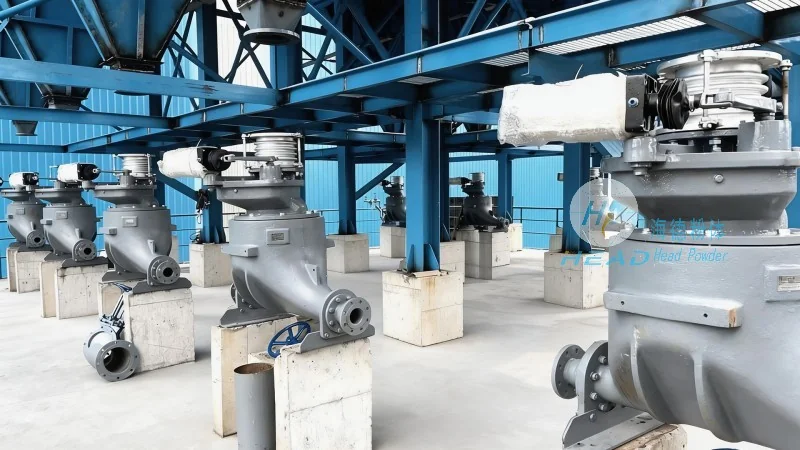
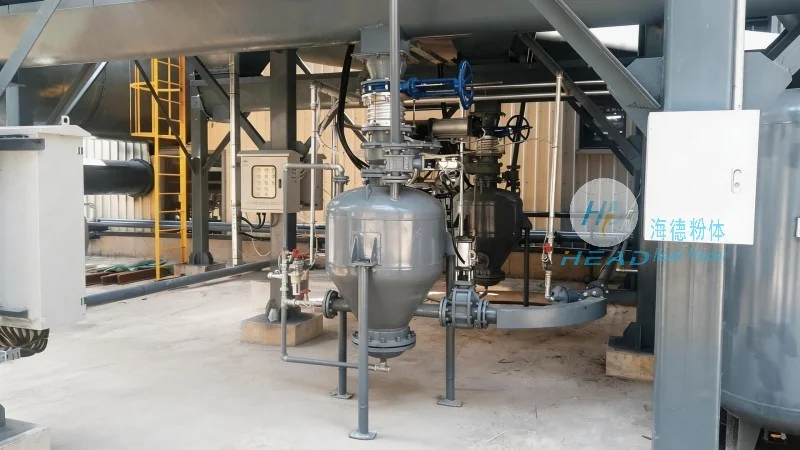
Shandong HeadPowder Engineering Co., Ltd. specializes in providing high-quality pneumatic conveying systems tailored for fine polishing sand applications. The company, based in Shandong, China, leverages advanced engineering and manufacturing capabilities to design and produce systems that meet the stringent requirements of modern industrial processes. HeadPowder's pneumatic conveying system utilizes compressed air to transport fine polishing sand through a network of pipes, ensuring a clean, dust-free, and efficient transfer from the source to the destination. This method eliminates the need for mechanical parts in contact with the sand, reducing wear and tear and maintaining the integrity of the material.

Key Features and Benefits of the Pneumatic Conveying System
The pneumatic conveying system offered by HeadPowder incorporates several key features that enhance its performance and reliability. One of the primary advantages is the ability to handle fine particles with minimal loss, as the system uses air pressure to move the sand without causing abrasion or segregation. Additionally, the system is designed to be flexible, allowing for easy integration into existing production lines and adaptation to varying production volumes. The use of compressed air also enables the system to operate in a closed loop, reducing dust emissions and improving workplace safety. Furthermore, HeadPowder's system is equipped with advanced control mechanisms that monitor pressure, flow rate, and material level, ensuring optimal operation and preventing system failures.
Application Scenarios and Industrial Use Cases
HeadPowder's fine polishing sand pneumatic conveying system is widely used in various industrial sectors, including automotive, aerospace, and consumer electronics. In the automotive industry, the system is employed to transport fine polishing sand for the finishing of metal components, ensuring a smooth and reflective surface. In aerospace applications, the system is used to handle fine polishing sand for the precision finishing of aircraft parts, where even the smallest imperfections can impact performance and safety. The system's ability to maintain the quality of the fine polishing sand is critical in these applications, as any degradation can lead to reduced product lifespan or performance issues.

Comparative Analysis: Pneumatic vs. Other Conveyance Methods
When compared to traditional mechanical conveyors, HeadPowder's pneumatic conveying system offers several advantages. Mechanical conveyors often suffer from clogging and material degradation due to the abrasive nature of fine polishing sand, leading to increased maintenance costs and downtime. In contrast, the pneumatic system uses air to transport the sand, minimizing contact and preventing damage. Additionally, pneumatic conveying systems are more flexible and can be easily reconfigured to accommodate changes in production requirements. However, it is important to note that pneumatic systems require a reliable air supply and may have higher energy consumption compared to mechanical systems. Despite this, the benefits of improved material quality, reduced maintenance, and enhanced safety make the pneumatic system the preferred choice for fine polishing sand conveyance in most industrial applications.
Conclusion and Future Directions
In conclusion, the selection of an appropriate conveyance method for fine polishing sand is essential for maintaining product quality and operational efficiency. HeadPowder's pneumatic conveying system provides a reliable and effective solution that addresses the unique challenges associated with fine polishing sand transport. By leveraging advanced engineering and manufacturing capabilities, HeadPowder ensures that its systems meet the highest standards of performance and reliability. As industrial processes continue to evolve, the demand for efficient and sustainable conveyance solutions will increase, and companies like HeadPowder will play a crucial role in meeting these needs. The future of fine polishing sand conveyance lies in the continued development of advanced pneumatic systems that enhance material handling while reducing environmental impact.