

What Methods Are Available for Gelatin Transportation?
For businesses involved in the production and distribution of gelatin, understanding the most effective and efficient methods of transportation is crucial. The choice of transportation method can significantly impact product quality, operational costs, and overall supply chain reliability. In this article, we explore the various ways to transport gelatin, focusing on practical solutions that cater to different industrial needs.
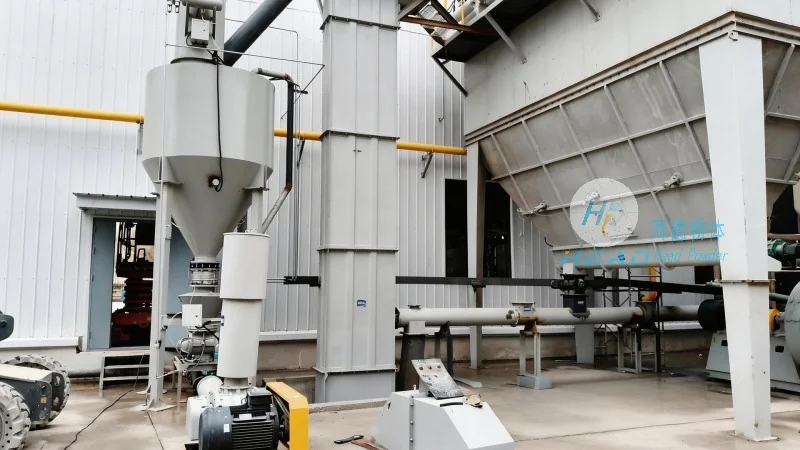
Understanding Gelatin Properties and Transportation Challenges
Gelatin is a protein derived from collagen, commonly used in food, pharmaceutical, and cosmetic industries. Its physical and chemical properties, such as viscosity, temperature sensitivity, and hygroscopic nature, present unique challenges during transportation. For instance, gelatin can thicken or solidify at low temperatures, requiring careful temperature control. Additionally, its tendency to absorb moisture means that moisture control is essential to prevent degradation or contamination. These factors necessitate specialized transportation methods that ensure product integrity from source to destination.
Common Methods for Gelatin Transportation
Several methods are commonly employed for gelatin transportation, each with its own advantages and considerations. The selection of a method depends on factors like the volume of gelatin being transported, the distance, the required speed, and the final application of the product.
Pump-Supported Systems
One of the most prevalent methods for gelatin transportation is the use of pump-supported systems. These systems typically involve positive displacement pumps or centrifugal pumps, which are capable of handling viscous fluids like gelatin. Positive displacement pumps, such as gear pumps or piston pumps, are particularly effective for high-viscosity materials as they maintain a consistent flow rate and pressure, preventing clogging and ensuring smooth transport. Centrifugal pumps, on the other hand, are suitable for larger volumes and can handle more fluid at lower pressures. The choice between these pump types often depends on the specific viscosity of the gelatin and the system's pressure requirements.

Pipeline Transportation
Pipeline transportation is another widely used method, especially for large-scale industrial operations. This method involves transporting gelatin through a network of pipes, which can be made from materials like stainless steel, polyethylene, or PVC, depending on the gelatin's compatibility with the material. Pipelines are efficient for continuous, high-volume transport and can be integrated with temperature control systems to maintain the gelatin at optimal temperatures. However, pipeline systems require regular maintenance to prevent blockages and corrosion, and they may not be suitable for all gelatin types, particularly those with high viscosity or particulate matter.
Mechanical Conveyors
Mechanical conveyors, including screw conveyors, belt conveyors, and auger conveyors, are also used for gelatin transportation, especially in processing facilities. Screw conveyors, for example, use a rotating screw to move gelatin along a trough, making them ideal for vertical or inclined transport. Belt conveyors are suitable for transporting gelatin in bulk form, such as in powder or granular states, and can be equipped with temperature-controlled sections to maintain product quality. Auger conveyors, similar to screw conveyors, are effective for moving gelatin through chutes or hoppers. These mechanical systems are often used in combination with other methods to handle different stages of the transportation process.
Key Considerations for Effective Gelatin Transportation
Regardless of the method chosen, several key considerations must be addressed to ensure successful gelatin transportation. Temperature control is paramount, as gelatin's viscosity and flow characteristics are highly dependent on temperature. Maintaining the gelatin at a consistent temperature, typically between 20°C to 40°C, helps prevent solidification or excessive thinning. Additionally, the use of clean, food-grade materials for all components of the transportation system is essential to prevent contamination. Regular cleaning and sanitization of equipment are necessary to maintain product purity, especially in food and pharmaceutical applications.
Another critical consideration is the prevention of air entrainment and oxidation. Gelatin can be sensitive to oxygen, which may affect its quality and shelf life. Proper sealing and the use of inert gases in storage tanks can help minimize oxidation. Furthermore, monitoring the transportation process in real-time, using sensors to track temperature, pressure, and flow rates, allows for immediate adjustments if any deviations occur, ensuring product integrity throughout the journey.

Role of Shandong HeadPowder Engineering Co., Ltd. in Gelatin Transportation Solutions
Shandong HeadPowder Engineering Co., Ltd., a leading manufacturer based in Shandong, China, specializes in providing customized transportation solutions for gelatin and other viscous materials. The company's expertise lies in designing and manufacturing equipment that addresses the unique challenges of gelatin transportation, such as temperature control systems, pump technologies, and pipeline networks. By leveraging advanced engineering and materials science, HeadPowder offers solutions tailored to the specific needs of each client, ensuring efficient and reliable gelatin transport.
The company's commitment to quality and innovation is reflected in its product line, which includes high-performance pumps, insulated pipelines, and automated conveyor systems. Each component is designed to withstand the demands of gelatin transportation while maintaining product quality. For businesses seeking reliable gelatin transportation solutions, Shandong HeadPowder Engineering Co., Ltd. provides comprehensive support, from initial consultation and system design to installation and maintenance services.
By partnering with HeadPowder, companies can enhance their operational efficiency, reduce transportation costs, and ensure the consistent quality of their gelatin products. The company's focus on customer needs and technical excellence makes it a trusted partner in the gelatin industry, helping businesses navigate the complexities of gelatin transportation with confidence.