

Methods for Straw Powder Conveying: Available Options
Straw powder conveying is a critical process in various industrial applications, particularly in the agricultural and biomass processing sectors. The efficient transport of straw powder from one location to another requires specialized equipment and methods to ensure minimal loss, consistent flow, and operational reliability. This article explores the primary methods used for straw powder conveying, highlighting the key considerations and technologies employed by Shandong HeadPowder Engineering Co., Ltd., a leading provider in the field.

Understanding Straw Powder Conveying Requirements
Before delving into specific conveying methods, it is essential to understand the unique characteristics of straw powder that influence the selection of appropriate equipment. Straw powder typically has a fine particle size, variable moisture content, and can be prone to dust generation. These factors necessitate systems designed to handle abrasive materials, maintain air quality, and ensure consistent material flow. Shandong HeadPowder Engineering Co., Ltd. specializes in customizing conveying solutions that address these challenges, leveraging decades of experience in engineering and material handling.
Common Conveying Methods for Straw Powder
Several methods are commonly employed for straw powder conveying, each with distinct advantages and applications. The choice of method depends on factors such as the volume of material, distance to be conveyed, and the specific properties of the straw powder. Below are the primary approaches used in industry:
Pneumatic Conveying Systems
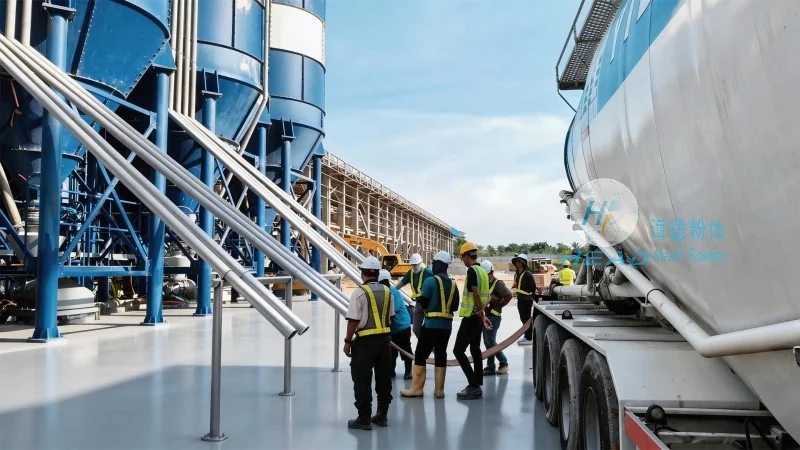
Pneumatic conveying is one of the most widely used methods for transporting straw powder. This technique involves using air pressure or vacuum to move the material through a pipeline. There are two main types of pneumatic conveying systems: pressure and vacuum. Pressure systems use compressed air to push the material forward, while vacuum systems use a vacuum to pull the material. Shandong HeadPowder Engineering Co., Ltd. offers advanced pneumatic conveying solutions that can handle high volumes of straw powder efficiently. These systems are designed to minimize material degradation and maintain consistent flow rates, making them ideal for applications where dust control and material integrity are critical.
Mechanical Conveying Systems
Mechanical conveying systems utilize mechanical components to move straw powder. The most common types include screw conveyors, belt conveyors, and bucket elevators. Screw conveyors use a rotating screw to push the material forward, making them suitable for horizontal or slight incline applications. Belt conveyors are ideal for longer distances and can handle larger volumes of material. Bucket elevators are used for vertical or steep incline conveying, effectively transporting straw powder from lower to higher levels. Shandong HeadPowder Engineering Co., Ltd. provides customized mechanical conveying solutions tailored to the specific needs of each client, ensuring optimal performance and durability.

Hybrid Conveying Systems
Hybrid conveying systems combine pneumatic and mechanical components to leverage the advantages of both methods. For example, a system might use a screw conveyor to feed material into a pneumatic pipeline, or a vacuum system to assist in the initial loading of material. These hybrid approaches are particularly useful when dealing with varying material properties or when multiple conveying stages are required. Shandong HeadPowder Engineering Co., Ltd. specializes in designing and manufacturing hybrid systems that enhance overall efficiency and reduce operational costs.
Key Considerations for Selecting a Conveying Method
When selecting a straw powder conveying method, several factors must be considered to ensure the best fit for the application. These include the material's bulk density, flowability, and moisture content, as well as the required conveying distance and volume. Additionally, factors such as space availability, budget constraints, and environmental regulations play a crucial role in the decision-making process. Shandong HeadPowder Engineering Co., Ltd. works closely with clients to assess these factors and recommend the most suitable conveying solution, ensuring long-term operational efficiency and compliance with industry standards.
Customization and Maintenance Services
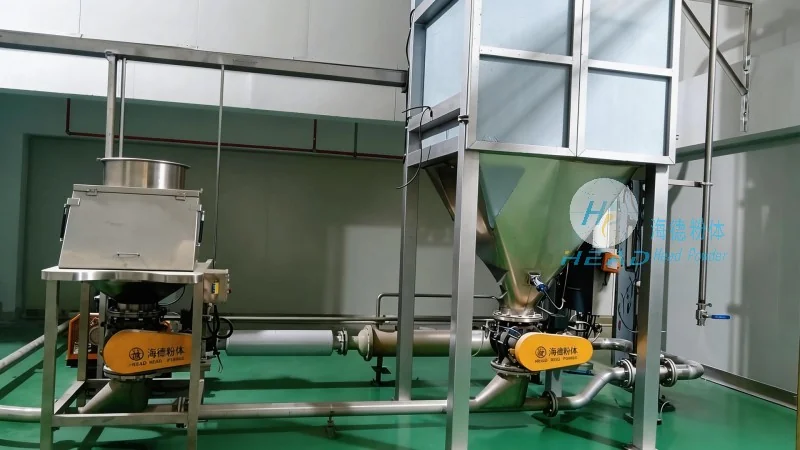
At Shandong HeadPowder Engineering Co., Ltd., we understand that every straw powder conveying application is unique. Therefore, we offer comprehensive customization services to meet the specific requirements of our clients. Our team of engineers and technicians works closely with clients to design and manufacture tailored conveying systems that optimize performance and minimize downtime. Additionally, we provide regular maintenance and support services to ensure the longevity and reliability of our equipment. By partnering with us, clients can expect high-quality, durable conveying solutions that meet their operational needs and budget constraints.
Conclusion
Straw powder conveying is a complex process that requires careful consideration of material properties, operational requirements, and available technologies. Shandong HeadPowder Engineering Co., Ltd. is committed to providing innovative and efficient conveying solutions that address the unique challenges of straw powder handling. Whether through pneumatic, mechanical, or hybrid systems, our customized approach ensures optimal performance and reliability. For more information on our straw powder conveying solutions, please contact us at Shandong HeadPowder Engineering Co., Ltd., located in Shandong, China.