

What is a Wheat Flour Pneumatic Conveying System? An Introduction to the Structure and Working Princ
Wheat flour pneumatic conveying systems are essential in the food processing industry, particularly for the efficient and hygienic transfer of bulk powders like wheat flour. These systems utilize air as the conveying medium to move powders through a network of pipes and components. Understanding the structure and working principle of such equipment is crucial for optimizing production processes and ensuring product quality.

Introduction to Pneumatic Conveying Systems
Pneumatic conveying systems are designed to transport dry bulk materials, including wheat flour, using compressed air or other gases. The primary advantage of these systems is their ability to handle powders in a closed environment, minimizing dust exposure and contamination risks. This is particularly important in food processing where product purity and safety are paramount.
Key Components of Wheat Flour Pneumatic Conveying Equipment
The structure of a typical wheat flour pneumatic conveying system includes several critical components that work in tandem to ensure efficient operation. These components are engineered to handle the specific characteristics of wheat flour, such as its fine particle size and hygroscopic nature.
First, the feed hopper is used to store and feed the wheat flour into the system. This component is designed with a hopper bottom that allows for smooth material discharge into the conveying line. The hopper is often equipped with a rotary valve or a star feeder to control the flow rate of the flour, preventing overloading and ensuring consistent feed.
Next, the conveying line is a network of pipes that transports the flour using compressed air. The line is typically made of stainless steel or other corrosion-resistant materials to maintain hygiene standards. The design of the pipe system includes bends, elbows, and straight sections, all optimized to minimize pressure drop and ensure efficient flow.
Then, the air compressor or blower provides the necessary pressure to move the flour through the system. The choice between a positive displacement blower and a centrifugal fan depends on the system's capacity and pressure requirements. For wheat flour applications, a positive displacement blower is often preferred due to its ability to maintain consistent pressure and handle high volumes of fine particles.
Additionally, the system includes filters and cyclones to separate the flour from the air at the discharge end. The filter captures the fine particles, preventing them from being released into the environment, while the cyclone uses centrifugal force to separate the powder from the air stream. These components are essential for maintaining air quality and complying with environmental regulations.
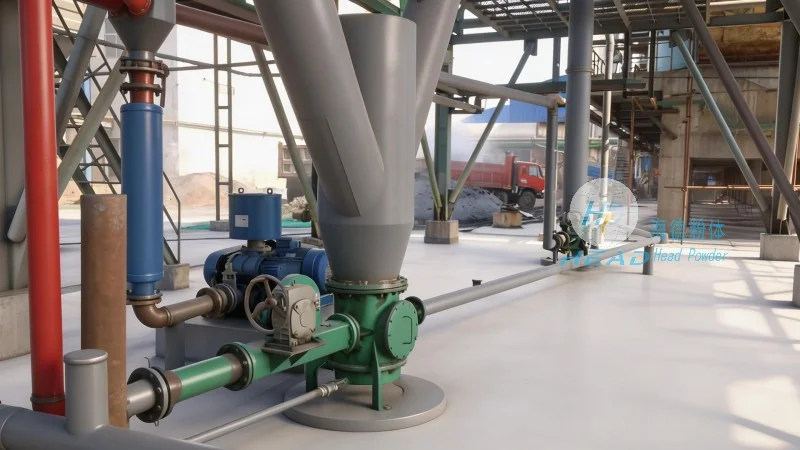
Finally, the discharge hopper or receiver collects the conveyed flour, allowing it to be discharged into the next stage of the production process, such as mixing or packaging.
Working Principle of the Pneumatic Conveying Process
The operation of a wheat flour pneumatic conveying system involves several steps that ensure the efficient transfer of material. The process begins with the material being fed from the hopper into the conveying line. As the compressed air is introduced, it creates a low-pressure zone that draws the flour particles into the air stream.
Once inside the pipe, the flour particles are suspended and transported along with the air. The velocity of the air is critical; it must be sufficient to keep the particles airborne but not so high as to cause excessive wear on the system components. The system is designed to maintain a consistent air velocity throughout the conveying line to ensure uniform flow.
At the discharge end, the air and flour mixture enters the filter or cyclone. The filter captures the flour, which is then collected in the discharge hopper. The cleaned air is then discharged back into the environment or recirculated, depending on the system's design. This separation process is crucial for maintaining the purity of the flour and preventing contamination.
Benefits of Using Pneumatic Conveying for Wheat Flour
Implementing a pneumatic conveying system for wheat flour offers several advantages over traditional methods like belt conveyors or bucket elevators. One of the most significant benefits is the reduction in dust and contamination, which is critical in food processing. The closed system design ensures that the flour remains contained, preventing exposure to external contaminants and reducing the risk of product spoilage.

Another key benefit is the improved efficiency and flexibility. Pneumatic systems can handle varying flow rates and can be easily integrated into existing production lines. They also require less floor space compared to traditional conveyors, making them ideal for facilities with limited space.
Furthermore, the hygienic design of these systems, with smooth surfaces and easy-to-clean components, helps maintain compliance with food safety regulations. The stainless steel construction and sealed components minimize the risk of bacterial growth and ensure that the flour remains in a safe condition throughout the conveying process.
Applications in the Food Industry
Wheat flour pneumatic conveying systems are widely used in various food processing applications, including bakeries, flour mills, and food manufacturing plants. In bakeries, these systems are used to transport flour from storage silos to mixing equipment, ensuring a consistent supply of material for bread and pastry production.
In flour mills, the systems are used to transfer raw wheat flour from grinding and sifting stages to packaging lines. The ability to handle large volumes of fine particles efficiently makes pneumatic conveying an ideal choice for these applications.
In food manufacturing plants, the systems are used to transport flour to mixing and blending processes, where it is combined with other ingredients to create various food products. The consistent flow and hygienic design of the system help maintain product quality and ensure that the final products meet the required standards.
Conclusion
Wheat flour pneumatic conveying systems are a vital component of modern food processing operations. Their ability to efficiently and hygienically transport bulk powders like wheat flour makes them an essential investment for companies in the food industry. By understanding the structure and working principle of these systems, manufacturers can optimize their production processes, improve product quality, and ensure compliance with industry regulations.