

Principle of Heavy Powder Pneumatic Conveying System
HeadPowder, a leading provider of industrial material handling solutions, specializes in the design and implementation of heavy powder pneumatic conveying systems. This article explores the fundamental principles behind these systems, which are crucial for efficient and reliable transport of bulk powders in various industrial applications.

Company Overview
HeadPowder, operating under the full name Shandong HeadPowder Engineering Co., Ltd., is headquartered in Shandong, China. The company focuses on delivering high-quality engineering solutions tailored to the needs of industries that rely on bulk material transport. With a commitment to innovation and precision, HeadPowder has established itself as a trusted partner in the field of pneumatic conveying technology.
Understanding Pneumatic Conveying
Pneumatic conveying systems utilize air or other gases to transport bulk materials, such as powders and granules, from one location to another. Unlike traditional mechanical conveying methods, these systems offer advantages like reduced maintenance, lower risk of product contamination, and the ability to handle a wide range of materials. The core of a pneumatic conveying system lies in its ability to create a flow of material through a pipeline using pressurized air.

Key Components of a Heavy Powder Pneumatic Conveying System
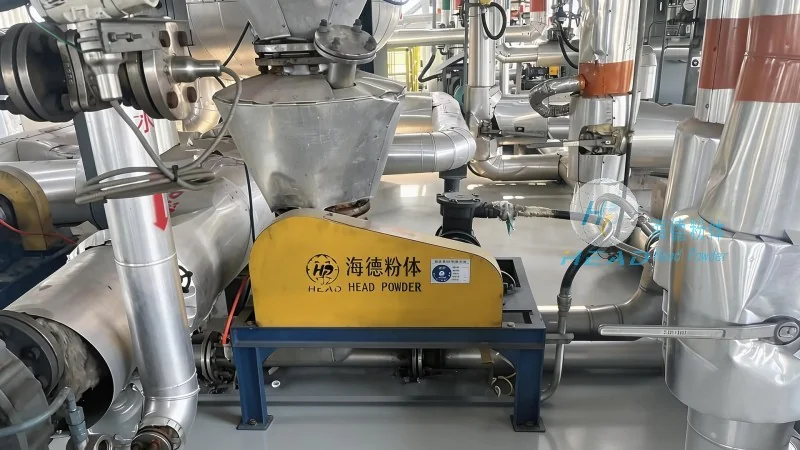
A typical heavy powder pneumatic conveying system consists of several critical components that work in tandem to ensure efficient operation. These include a material feed hopper, a conveyor line (often equipped with a positive displacement blower or a pressure vessel), and a receiving hopper or discharge point. The system may also incorporate accessories like rotary valves, filters, and dust collectors to enhance performance and safety.
The Working Principle
The operation of a heavy powder pneumatic conveying system is based on the principle of creating a high-velocity air stream that can entrain and transport the powder particles. When the system is activated, the blower generates a pressure differential that draws air into the conveyor line. The material from the feed hopper is then introduced into the air stream, where it is carried along the pipeline to the discharge point. The air velocity is carefully controlled to ensure that the powder particles are fully suspended and transported without clogging or degradation.

Advantages of Heavy Powder Pneumatic Conveying
Heavy powder pneumatic conveying systems offer numerous benefits that make them ideal for industrial applications. These include the ability to transport materials over long distances with minimal loss, the reduction of product degradation due to reduced friction and exposure to air, and the flexibility to handle different material types and sizes. Additionally, these systems are more energy-efficient compared to traditional methods and can be integrated with other processing equipment for seamless workflow.
Applications in Various Industries
The versatility of heavy powder pneumatic conveying systems makes them applicable across a wide range of industries. In the food and pharmaceutical sectors, these systems are used to transport ingredients and products while maintaining strict hygiene standards. In the chemical industry, they are employed to handle abrasive and corrosive powders. The mining and construction industries also benefit from these systems for transporting raw materials and waste products. HeadPowder's solutions are tailored to meet the specific requirements of each industry, ensuring optimal performance and reliability.
Conclusion
Heavy powder pneumatic conveying systems represent a sophisticated and efficient method for bulk material transport. By understanding the fundamental principles and components of these systems, industries can enhance their operational efficiency and product quality. HeadPowder, with its expertise and commitment to quality, continues to provide advanced solutions that meet the evolving needs of the material handling industry.