

What is a Dry Powder Pneumatic Conveying System? And What Are Its Design Principles?
Understanding the fundamental concepts of dry powder pneumatic conveying systems is crucial for industries that rely on efficient material handling. These systems are engineered to transport dry powders and granular materials through a pipeline using a pressurized air or gas stream. The technology offers a versatile solution for moving materials from one location to another, often with minimal maintenance and operational complexity.

Key Components of a Dry Powder Pneumatic Conveying System
A typical dry powder pneumatic conveying system consists of several critical components that work in tandem to ensure effective material transport. The primary components include a material feeder, a conveying line (usually a pipeline), a compressor or blower to generate the necessary air pressure, and a receiver or discharge unit. The material feeder is responsible for feeding the dry powder into the system at a controlled rate, while the compressor provides the force needed to move the material through the pipeline. The conveying line, often made of metal or flexible hoses, carries the material and air mixture, and the receiver collects the material at the destination point.

Design Principles for Efficient Dry Powder Conveying
The design of a dry powder pneumatic conveying system is based on several key principles to ensure optimal performance and reliability. One of the most important principles is maintaining a consistent air-to-material ratio, which directly impacts the system's capacity and efficiency. The air velocity within the pipeline must be sufficient to keep the powder particles suspended and prevent blockages or clogging. Engineers must also consider the properties of the dry powder being conveyed, such as particle size, density, and flowability, as these factors influence the system's design parameters. Additionally, the system's layout and the distance between the feeder and receiver are critical design considerations, as they affect the required air pressure and energy consumption.

Applications and Benefits of Dry Powder Pneumatic Conveying
Dry powder pneumatic conveying systems are widely used across various industries, including pharmaceuticals, food processing, chemical manufacturing, and mining. The primary benefits of this technology include high material transfer rates, minimal product contamination, and the ability to handle materials with high moisture content or sensitive properties. Unlike traditional mechanical conveyors, pneumatic systems do not require physical contact with the material, reducing the risk of contamination and degradation. Furthermore, these systems can be easily integrated into existing production lines and can handle materials in a closed environment, enhancing safety and hygiene. The flexibility of pneumatic conveying also allows for the transportation of materials over long distances and through complex layouts, making it a preferred choice for many industrial applications.
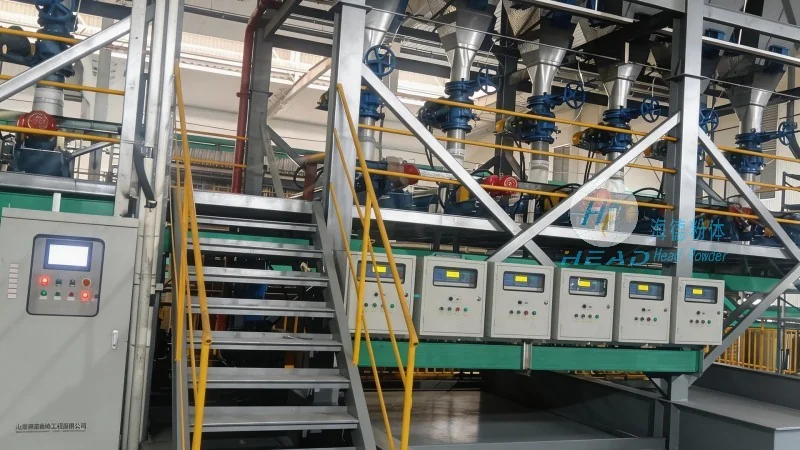
Company Overview: Shandong HeadPowder Engineering Co., Ltd.
Shandong HeadPowder Engineering Co., Ltd., commonly known as HeadPowder, is a leading manufacturer and supplier of dry powder pneumatic conveying systems. With a strong focus on innovation and quality, HeadPowder has established itself as a trusted partner for industries seeking reliable material handling solutions. The company's expertise lies in designing and manufacturing customized pneumatic conveying systems that meet the specific needs of clients, ensuring optimal performance and efficiency. HeadPowder's commitment to customer satisfaction and technical excellence has made it a preferred choice for businesses looking to enhance their material handling processes. The company's facilities are located in Shandong, China, where it leverages advanced technology and skilled personnel to deliver high-quality products and services to clients worldwide.