

Comparison of Common Bauxite Transport Methods
When it comes to the efficient and reliable transportation of bauxite, selecting the right method is crucial for optimizing industrial processes. Bauxite, a primary ore used in aluminum production, requires specialized handling to ensure minimal loss and maximum throughput. In this article, we will explore the most common bauxite transport methods, analyzing their advantages, limitations, and applications. The information provided is based on the expertise of Shandong HeadPowder Engineering Co., Ltd., a leading provider of bulk material handling solutions in China.

Overview of Bauxite Transport Methods
Bauxite, with its high alumina content and varying particle sizes, demands transport systems that can handle abrasive materials while maintaining operational efficiency. The choice of transport method depends on several factors, including the distance of transport, the volume of material, the terrain, and the specific requirements of the processing plant. Common bauxite transport methods include belt conveyors, pneumatic conveying systems, and screw conveyors, each with distinct characteristics that make them suitable for different scenarios.
Belt Conveyors: The Workhorse of Bulk Material Transport
Belt conveyors are widely recognized as the most common and versatile method for transporting bauxite. These systems consist of a continuous belt that moves material from the source to the destination, often over long distances. HeadPowder, based in Shandong, China, specializes in designing and manufacturing high-quality belt conveyor systems tailored to bauxite handling needs. The company's expertise ensures that these conveyors can withstand the abrasive nature of bauxite, reducing wear and tear and extending operational life. Belt conveyors offer high capacity, low maintenance costs, and the ability to operate in various environmental conditions, making them an ideal choice for large-scale bauxite transport projects.
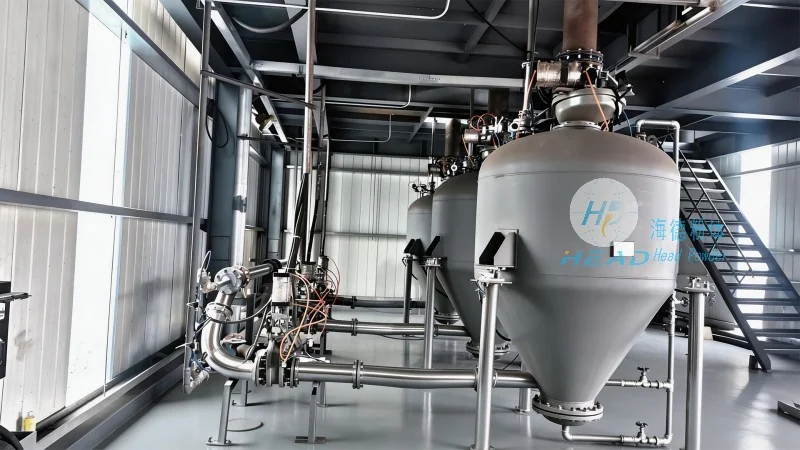
Pneumatic Conveying Systems: Efficient for Short to Medium Distances
Pneumatic conveying systems utilize air pressure to transport bauxite particles through a pipeline. This method is particularly effective for short to medium distances, where the material needs to be moved quickly and with minimal disruption. HeadPowder's pneumatic conveying solutions are engineered to handle the specific characteristics of bauxite, ensuring efficient and reliable transport. These systems are often used in processing plants where space is limited or where the material needs to be transferred to different processing stages. Pneumatic conveying offers advantages such as low noise levels, the ability to transport materials vertically and horizontally, and the option to integrate with other processing equipment. However, it may require higher energy consumption compared to other methods and may not be suitable for very large volumes or abrasive materials.
Screw Conveyors: Ideal for Horizontal and Vertical Transport
Screw conveyors, also known as auger conveyors, use a rotating screw to move bauxite along a trough. This method is well-suited for horizontal and vertical transport, making it a versatile option for bauxite handling. HeadPowder provides screw conveyor systems that are designed to handle the unique properties of bauxite, ensuring smooth and consistent material flow. Screw conveyors are particularly effective for smaller volumes or when the material needs to be elevated or moved horizontally within a processing facility. They offer advantages such as simplicity in design, low maintenance, and the ability to operate in enclosed environments. However, they may have limitations in terms of capacity compared to belt conveyors and can be more susceptible to clogging with wet or sticky bauxite.

Comparative Analysis: Choosing the Right Transport Method
When selecting a bauxite transport method, it is essential to consider several factors to ensure the most efficient and cost-effective solution. The distance of transport is a primary consideration, as belt conveyors are generally more suitable for long distances, while pneumatic and screw conveyors are better for shorter distances. The volume of material to be transported also plays a role, with belt conveyors excelling in high-capacity applications. The terrain and layout of the processing plant can influence the choice, as some methods may require more space or infrastructure. HeadPowder, with its extensive experience in bulk material handling, offers comprehensive solutions that take into account these factors, providing customized transport systems that meet the specific needs of each bauxite operation.
Conclusion
In conclusion, the choice of bauxite transport method depends on a variety of factors, including distance, volume, and operational requirements. Belt conveyors, pneumatic conveying systems, and screw conveyors each offer unique advantages and are suitable for different applications. By leveraging the expertise of companies like Shandong HeadPowder Engineering Co., Ltd., bauxite producers can select and implement the most appropriate transport method to optimize their operations. Whether dealing with long-distance transport or short, precise movements, the right bauxite transport system can significantly enhance productivity and reduce operational costs.