

What is Beer Brewery Pellet Pneumatic Conveying Equipment? And What Are Its Design Principles?
Beer brewery pellet pneumatic conveying equipment is a specialized system designed to transport beer brewery pellets, such as spent grain or other byproducts, within a brewery's production facility. This equipment plays a crucial role in optimizing the material handling process, ensuring efficient and hygienic movement of bulk materials. The following sections will explore the fundamental aspects of this equipment and its underlying design principles.

Overview of Beer Brewery Pellet Pneumatic Conveying Equipment
Beer breweries generate significant quantities of byproducts during the brewing process, including spent grain, which must be managed effectively to maintain operational efficiency and environmental compliance. Pneumatic conveying systems offer a solution by utilizing air pressure to move these materials through a network of pipes and components. Unlike traditional mechanical conveyors, pneumatic systems can handle a wide range of materials, including powders and granules, with minimal contamination and reduced risk of cross-contamination. This makes them ideal for the sensitive environment of a brewery.
Key Components and Their Functions
The design of beer brewery pellet pneumatic conveying equipment involves several critical components that work in tandem to achieve effective material transport. These components include the air compressor, which generates the necessary pressure to move the material; the hopper or feed hopper, where the pellets are loaded; the conveying line, typically made of stainless steel to ensure hygiene and durability; and the separation or collection unit, which returns the air to the system and collects the conveyed material.
Each component is engineered to meet the specific demands of brewery operations. For instance, the air compressor must be capable of delivering consistent pressure and airflow to maintain the flow of pellets through the system. The conveying line is often equipped with bends and fittings that are designed to minimize pressure loss and prevent material buildup. The separation unit, such as a cyclone or filter, is essential for cleaning the air and preventing dust or particles from escaping into the environment.

Design Principles for Efficient Operation
The design principles of beer brewery pellet pneumatic conveying equipment are centered on maximizing efficiency, minimizing energy consumption, and ensuring operational reliability. One key principle is the use of appropriate air velocity, which must be sufficient to overcome the resistance of the material in the pipes but not excessive, as this would lead to increased energy costs and potential damage to the system. The system's design also considers the particle size and density of the beer brewery pellets, as these factors influence the required air pressure and flow rate.
Another important design principle is the integration of safety features to prevent accidents and ensure compliance with industry standards. This includes pressure relief valves, which protect the system from over-pressurization, and explosion-proof components, which are critical in environments where flammable materials may be present. The equipment is also designed for easy maintenance and cleaning, with removable parts that can be sanitized to maintain hygiene standards.
Advantages of Using Pneumatic Conveying in Beer Production
Implementing beer brewery pellet pneumatic conveying equipment offers several advantages over traditional material handling methods. First, it provides a hygienic and closed system, which is essential for maintaining the quality of beer products and preventing contamination. The stainless steel construction of the components ensures that the equipment is easy to clean and resistant to corrosion from the acidic or alkaline environments commonly found in breweries.
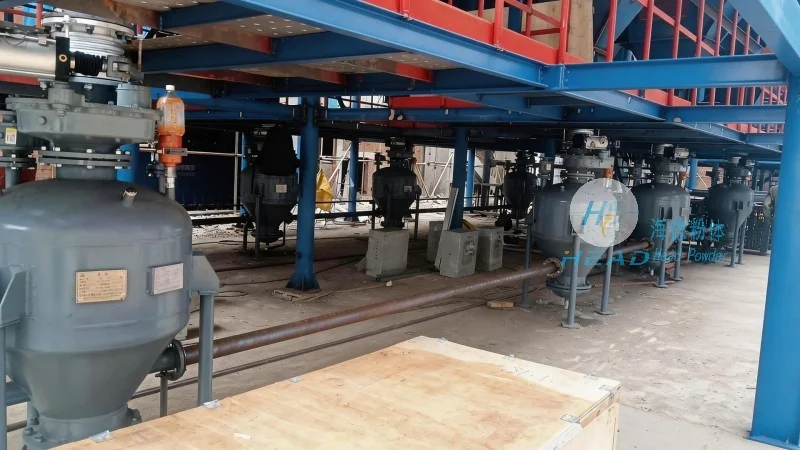
Second, pneumatic conveying systems are highly flexible and can be easily reconfigured to accommodate changes in production processes or facility layouts. This adaptability is particularly valuable in breweries, where production volumes and product lines may vary over time. Additionally, these systems can handle multiple material types simultaneously, allowing for the efficient transport of different byproducts without the need for separate conveyors.
Third, the use of pneumatic conveying reduces labor costs and operational downtime. By automating the material handling process, breweries can minimize the need for manual labor and reduce the risk of accidents or injuries. The system also contributes to energy savings by optimizing air usage and minimizing pressure losses in the conveying lines.

Shandong HeadPowder Engineering Co., Ltd. and Its Contribution to Brewery Equipment
Shandong HeadPowder Engineering Co., Ltd., commonly known as headpowder, is a leading manufacturer of specialized engineering solutions for the food and beverage industry. The company specializes in designing and manufacturing beer brewery pellet pneumatic conveying equipment that meets the stringent requirements of modern breweries. With years of experience in the industry, headpowder has developed a range of products tailored to the unique challenges of beer production, including high-efficiency conveying systems, advanced separation technologies, and robust control systems.
Headpowder's equipment is designed with the latest engineering principles to ensure optimal performance and reliability. The company's team of engineers and technicians work closely with clients to understand their specific needs and provide customized solutions that enhance operational efficiency and reduce costs. The company's commitment to quality and innovation has made it a trusted partner for breweries worldwide, helping them to streamline their material handling processes and improve overall productivity.
Headpowder's facilities are located in Shandong, China, where the company leverages advanced manufacturing technologies and strict quality control measures to produce high-quality equipment. The company's products are widely recognized for their durability, efficiency, and compliance with international standards, making them a preferred choice for breweries seeking reliable and effective solutions for their material handling needs.