

Comparison of Common Sweet Potato Starch Conveying Methods
For industries dealing with sweet potato starch production, selecting the right conveying method is crucial for efficiency, cost-effectiveness, and product quality. This article provides a detailed comparison of common sweet potato starch conveying methods, highlighting their advantages, limitations, and suitability for different production scales. The information is presented by Shandong HeadPowder Engineering Co., Ltd., a leading manufacturer in the field, to assist clients in making informed decisions.

Overview of Sweet Potato Starch Conveying Systems
Sweet potato starch, a key ingredient in various food and industrial applications, requires reliable and efficient transport from processing units to storage or packaging areas. Conveying systems are essential to maintain the integrity of the starch and minimize operational disruptions. The choice of conveying method depends on factors such as production volume, material characteristics, space availability, and budget. Below, we explore several widely used methods, focusing on their operational principles and practical applications.
1. Gravity Conveying Systems
Gravity conveying systems utilize the natural force of gravity to move sweet potato starch from one point to another. These systems typically consist of inclined chutes or troughs that allow the starch to flow downward under its own weight. This method is highly effective for transporting dry, free-flowing starch in horizontal or slightly inclined paths. The primary advantage of gravity conveying is its low energy consumption and minimal maintenance requirements, as it relies on gravity rather than mechanical power. However, its application is limited to scenarios where the material can flow freely without blockages, and the distance and elevation change are within acceptable limits. For large-scale operations, gravity conveyors may not be sufficient due to the need for longer or steeper inclines, which can lead to material degradation or increased dust generation.

2. Mechanical Conveying Systems
Mechanical conveying systems employ mechanical components to transport sweet potato starch. The most common types include screw conveyors, belt conveyors, and bucket elevators. Screw conveyors use a rotating helical screw to push the starch forward through a closed tube. This method is ideal for vertical or horizontal transport and can handle a wide range of material consistencies, from dry to slightly moist starch. Belt conveyors, on the other hand, use a continuous belt to move the starch along a path, often with side guides to contain the material. These systems are suitable for both dry and wet starch, providing flexibility in conveying direction and distance. Bucket elevators, which lift the starch vertically using buckets attached to a chain or belt, are particularly effective for transporting large volumes of starch over significant vertical heights. Mechanical conveying systems offer high capacity and control over the conveying process, making them suitable for large-scale production lines. However, they require regular maintenance, as moving parts are prone to wear and tear, and energy consumption is higher compared to gravity systems.
3. Pneumatic Conveying Systems
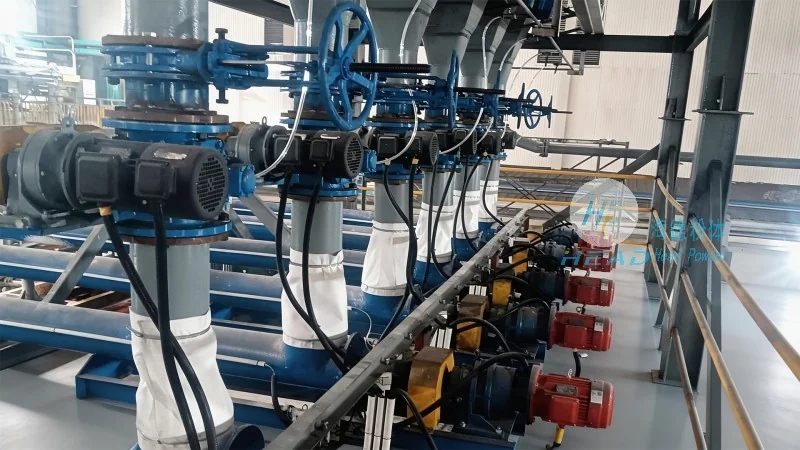
Pneumatic conveying systems use air or gas to transport sweet potato starch through a pipeline. This method is particularly useful for handling fine, powdery starch that is prone to dust and clogging in traditional systems. There are two main types of pneumatic conveyors: pressure and vacuum. Pressure conveyors force air and starch through a pipeline using a positive pressure blower, while vacuum conveyors create a negative pressure to draw the starch into the system. Pneumatic conveying offers high flexibility, as it can transport starch over long distances and even between different floors or buildings. It also provides better containment of dust, reducing the risk of environmental contamination. However, this method is more energy-intensive than gravity or mechanical systems, as it requires continuous air flow. Additionally, the system must be designed carefully to prevent material buildup and ensure consistent flow, as clogging can lead to operational failures.
4. Hydraulic Conveying Systems
Hydraulic conveying systems use water or other liquids to transport sweet potato starch. The starch is mixed with water to form a slurry, which is then pumped through pipelines to the desired location. This method is commonly used in industries where the starch is already in a wet or slurry form, such as after washing or processing. The primary advantage of hydraulic conveying is its ability to handle high volumes of material with minimal energy consumption, as the slurry flow is driven by the hydraulic pressure. However, it requires additional equipment for slurry preparation and separation, as the starch must be recovered from the water before reuse or disposal. The system also needs regular cleaning to prevent clogging and maintain efficiency. Hydraulic conveying is suitable for large-scale operations where the starch is in a liquid state, but it may not be practical for dry starch or applications requiring high product purity.

Key Considerations for Choosing a Conveying Method
When selecting a sweet potato starch conveying method, several factors must be considered to ensure optimal performance and cost-effectiveness. First, the production volume and throughput requirements dictate the capacity of the system. For small-scale operations, gravity or simple mechanical conveyors may suffice, while large-scale plants may require more robust systems like pneumatic or hydraulic conveyors. Second, the physical properties of the starch, such as moisture content, particle size, and flowability, influence the choice of system. For example, fine, dry starch may be better suited for pneumatic conveying to avoid clogging, whereas bulkier, wet starch may be handled by hydraulic systems. Third, the available space and layout of the production facility affect the feasibility of different conveying methods. Gravity systems require specific incline angles and clearances, while mechanical and pneumatic systems may need more vertical or horizontal space. Fourth, the budget and maintenance considerations play a critical role. Gravity systems offer low initial and operational costs, while mechanical and pneumatic systems may have higher upfront investments but lower long-term maintenance costs. Finally, the environmental and safety regulations must be considered, as some systems may generate more dust or require additional containment measures.
Conclusion
Choosing the right sweet potato starch conveying method is essential for maintaining efficiency and quality in production. Gravity systems are ideal for low-cost, low-volume applications, while mechanical and pneumatic systems offer higher capacity and flexibility for larger operations. Hydraulic systems are suitable for wet or slurry-based starch but require additional processing steps. Shandong HeadPowder Engineering Co., Ltd. specializes in designing and manufacturing customized conveying solutions tailored to the specific needs of sweet potato starch producers. By understanding the advantages and limitations of each method, manufacturers can select the most appropriate system to optimize their production processes and ensure consistent product quality.