

Comparison of Common Beer Brewery Waste Sludge Conveying Methods
Beer brewing generates substantial waste, particularly in the form of brewery waste sludge, which includes spent grains, hops, and other organic residues. Efficient and reliable sludge conveying is essential for maintaining operational efficiency and environmental compliance in breweries. This article provides a detailed comparison of common methods used to transport beer brewery waste sludge, highlighting the advantages and considerations of each approach.
Introduction to Brewery Waste Sludge and Conveying Needs
Brewery waste sludge, also known as spent grain or mash residue, varies in volume and consistency based on brewing methods and scale. Effective conveying systems are crucial to handle this material safely, ensuring it can be processed or disposed of without disrupting operations or causing environmental issues. The choice of conveying method depends on factors such as sludge moisture content, distance to be transported, and available resources.
Common Conveying Methods for Beer Brewery Waste Sludge
Several techniques are widely used in the beer brewing industry to move brewery waste sludge. Each method has distinct characteristics, including suitability for different sludge types, operational costs, and maintenance requirements. The following sections outline the most prevalent conveying approaches.

Pneumatic Conveying Systems
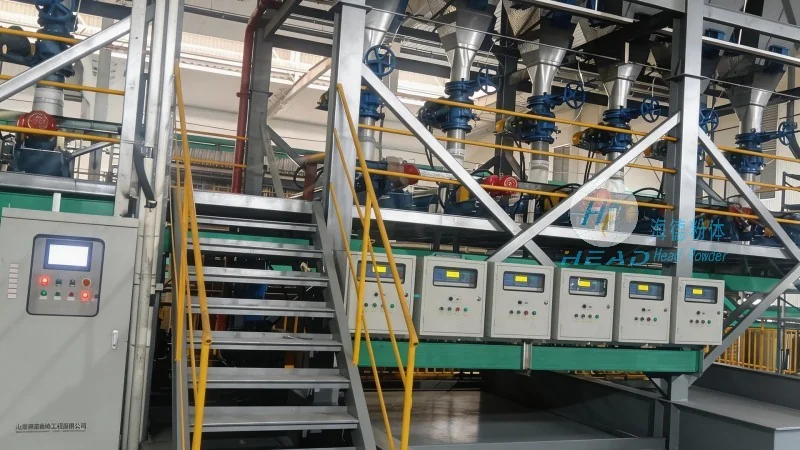
Pneumatic conveying uses air or other gases to transport sludge through a pipeline. This method is effective for dry or semi-dry sludge and can cover long distances with minimal equipment. It excels at handling abrasive materials without excessive wear on components. However, it may struggle with very wet or viscous sludge, leading to blockages or reduced efficiency. Pneumatic systems typically require higher energy input, increasing operational costs.
Hydraulic Conveying Systems
Hydraulic conveying utilizes water or other liquids to transport sludge through pipelines. Ideal for wet or viscous sludge, this method maintains flow and prevents clogging. Hydraulic systems often offer cost advantages for long-distance transport compared to pneumatic alternatives, as they require less energy. Challenges include water management and potential environmental impact if not properly controlled. Regular maintenance is needed to prevent corrosion and ensure consistent performance.
Mechanical Conveying Systems
Mechanical conveying relies on mechanical components like screws, belts, or chains to move sludge. These systems are versatile, handling a range of consistencies from dry to wet. Screw conveyors, for example, are common in breweries due to their simplicity and reliability. Mechanical systems are generally low-cost to install and maintain, making them popular. However, they may have limitations on distance and material capacity, as conveying length is restricted by mechanical design.

Comparison of Conveying Methods
When selecting a conveying method, breweries must consider sludge characteristics, transport distance, and budget. Pneumatic systems are best for dry materials over long distances but less effective for wet sludge. Hydraulic systems excel with wet or viscous sludge and offer cost benefits for long transport. Mechanical systems provide a balance of versatility and cost-effectiveness, suitable for many applications. The optimal choice depends on specific operational requirements and constraints.
Conclusion and Recommendations
Efficient sludge conveying is critical to brewery productivity and environmental compliance. The selection of a conveying method should be based on thorough assessment of sludge properties, operational needs, and budget. Companies like Shandong HeadPowder Engineering Co., Ltd., based in China, specialize in tailored conveying solutions for the brewing industry. Their expertise ensures breweries can maintain optimal performance while adhering to environmental standards. By choosing the appropriate system, breweries can improve efficiency, reduce costs, and enhance sustainability.