

Polyethylene Resin Powder Pneumatic Conveying System Equipment: What It Is and Its Design Principles
Understanding the Polyethylene Resin Powder Pneumatic Conveying System Equipment and Its Design Principles

Polyethylene Resin Powder Pneumatic Conveying System: An Overview
The polyethylene resin powder pneumatic conveying system is a specialized industrial equipment designed to transport polyethylene resin powders through a pneumatic conveying process. This system utilizes air or gas as the medium to move the resin powder from the source to the destination, eliminating the need for mechanical components like belts or screws that are common in traditional bulk material handling systems. The system is widely used in the plastics manufacturing industry due to its efficiency, flexibility, and ability to handle polyethylene resin powders with high precision and minimal product degradation.
Key Components of the Pneumatic Conveying System
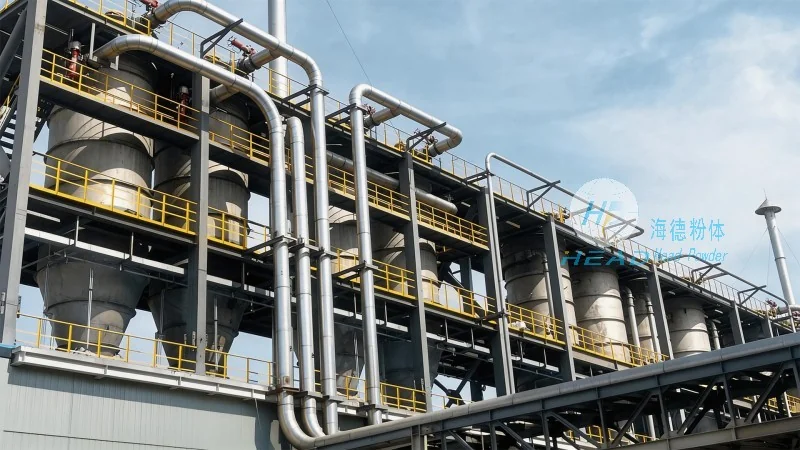
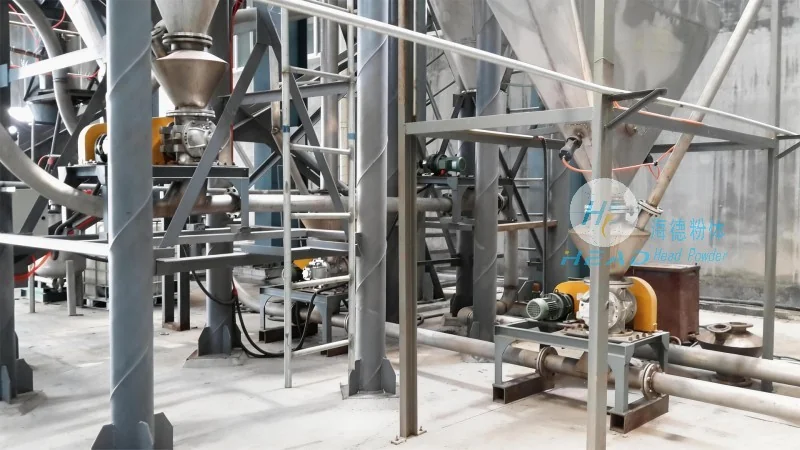
At the core of the polyethylene resin powder pneumatic conveying system are several key components that work in tandem to ensure smooth operation. The primary components include the hopper or feed hopper, which holds the polyethylene resin powder and provides a controlled feed into the system. The feed hopper is equipped with a rotary valve or feeder that regulates the flow of the powder into the conveying line. The conveying line itself is typically made of stainless steel or other corrosion-resistant materials to prevent contamination and ensure durability. The system also includes a blower or air compressor that generates the necessary air pressure to move the powder through the line. Additionally, there are filters and cyclones to separate the powder from the air, ensuring that the air is clean and the powder is not lost during the process. The system may also include a receiver or discharge hopper at the end of the line to collect the conveyed powder.
Design Principles of the Pneumatic Conveying System
The design principles of the polyethylene resin powder pneumatic conveying system are centered around efficiency, reliability, and the specific characteristics of polyethylene resin powders. The system is designed to handle the fine particles of polyethylene resin, which can be prone to caking or bridging if not handled properly. To address this, the system incorporates features such as agitators or vibrators in the hopper to prevent caking and ensure a consistent flow of powder. The air velocity within the conveying line is carefully controlled to ensure that the powder particles are suspended and transported without causing excessive wear on the system components. The system also considers the density and flow characteristics of polyethylene resin powders, which can vary depending on the specific grade and moisture content. The design takes into account the required conveying distance and the volume of material to be transported, ensuring that the system can meet the operational demands of the application.
Advantages of Using a Pneumatic Conveying System for Polyethylene Resin
There are several advantages to using a pneumatic conveying system for polyethylene resin powder transport. One of the primary advantages is the ability to handle the material in a closed system, which helps to maintain product purity and prevent contamination from external sources. This is particularly important for polyethylene resin, which is often used in applications where high purity is required, such as in the production of medical devices or food packaging. The system also offers flexibility in terms of layout, as the conveying line can be arranged in various configurations to fit the space constraints of the facility. Additionally, the system is relatively low maintenance compared to traditional mechanical conveying systems, as there are fewer moving parts that can wear out or require replacement. The system also provides a consistent and controlled flow of material, which helps to improve the efficiency of downstream processes, such as mixing or extrusion.
Applications of Polyethylene Resin Powder Pneumatic Conveying Systems
Polyethylene resin powder pneumatic conveying systems are used in a variety of applications within the plastics manufacturing industry. These systems are commonly used in the production of polyethylene films, sheets, and pellets, where the resin powder needs to be transported from storage to processing equipment. The system is also used in the production of polyethylene compounds, where the resin powder is mixed with other additives before being processed. Additionally, the system is used in the production of polyethylene packaging materials, such as bags and containers, where the resin powder is transported to the molding or extrusion equipment. The system is also used in the recycling industry, where polyethylene resin powders are recovered from waste and transported to the processing facility.
Conclusion
In conclusion, the polyethylene resin powder pneumatic conveying system is a highly efficient and reliable piece of equipment that is essential for the transport of polyethylene resin powders in the plastics manufacturing industry. The system is designed with the specific characteristics of polyethylene resin in mind, ensuring that the material is handled with care and precision. The system offers several advantages over traditional mechanical conveying systems, including improved product purity, flexibility in layout, and low maintenance requirements. As the demand for polyethylene resin continues to grow, the use of pneumatic conveying systems will become increasingly important in ensuring the efficient and effective production of polyethylene products.
Shandong HeadPowder Engineering Co., Ltd. specializes in the design and manufacturing of polyethylene resin powder pneumatic conveying systems, providing customized solutions to meet the specific needs of our clients. Our team of engineers and technicians has extensive experience in the plastics industry, ensuring that our systems are designed to meet the highest standards of quality and performance. We are committed to providing our clients with reliable and efficient equipment that helps to improve their production processes and increase their profitability.