

What is a Dry Manure Powder Conveying Equipment? And What Are Its Design Principles?
For agricultural and waste management operations, the efficient handling of dry manure as a powder is crucial. A dry manure powder conveying equipment is a specialized system engineered to transport dry, granular or powdered manure materials from one location to another. This equipment is vital for optimizing the flow of manure, reducing labor costs, and enhancing the overall efficiency of manure processing and distribution processes. The following discussion will explore the fundamental aspects of such equipment, including its design principles and key components.

About Shandong HeadPowder Engineering Co., Ltd.
HeadPowder, the manufacturer behind these advanced conveying systems, is a leading company based in Shandong, China. With a strong focus on engineering excellence and customer-centric solutions, HeadPowder specializes in the design, manufacturing, and supply of high-quality industrial equipment tailored for the agricultural and waste management sectors. The company’s commitment to innovation and quality ensures that their dry manure powder conveying equipment meets the highest standards of performance, durability, and reliability.
Core Design Principles of Dry Manure Powder Conveying Equipment
The design of a dry manure powder conveying equipment is built upon several key principles to ensure effective and reliable operation. The primary goal is to handle dry, often fine, manure particles without causing blockages or degradation. This requires a combination of appropriate material handling technologies, such as pneumatic conveying or mechanical screw conveyors, tailored to the specific characteristics of the manure being processed. The equipment must be designed to maintain the dryness of the manure, preventing clumping or moisture absorption that could lead to operational issues.
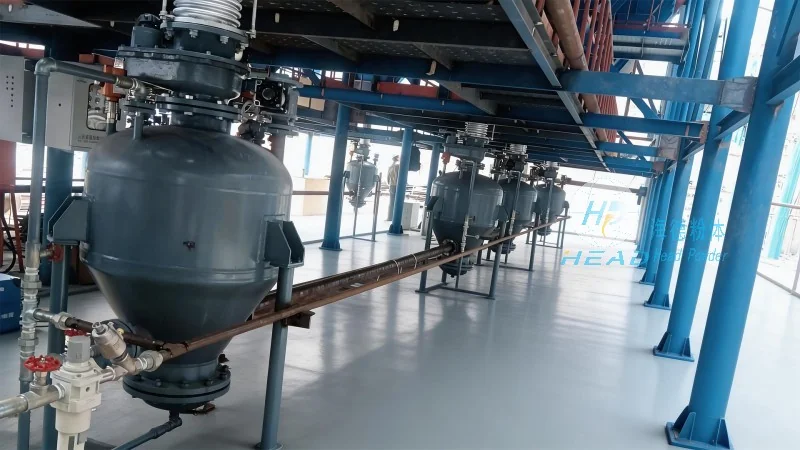
One of the fundamental design principles is the use of airtight and sealed systems to minimize dust emissions and maintain the integrity of the manure. This is achieved through the integration of high-quality seals, filters, and dust collection systems. The conveying system typically operates under a slight positive pressure to prevent air ingress and maintain the dryness of the material. Additionally, the design considers the flow characteristics of the manure, ensuring that the equipment can handle varying particle sizes and moisture content without compromising performance.
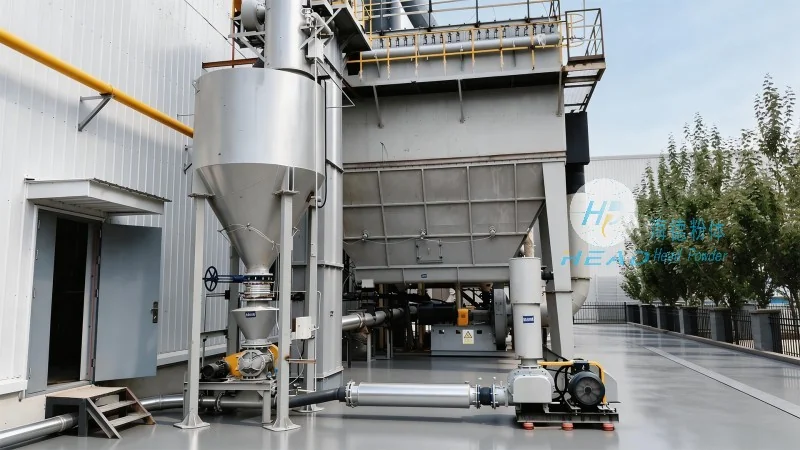
Another critical design principle is the selection of appropriate materials for the construction of the conveying components. The equipment must be resistant to corrosion, abrasion, and the acidic or alkaline properties of manure. Stainless steel, high-grade alloys, and corrosion-resistant coatings are commonly used to ensure longevity and minimal maintenance. The components, including hoppers, pipes, and valves, are designed to withstand the mechanical stresses and chemical exposure associated with manure handling.
The control system is another essential aspect of the design. Modern dry manure powder conveying equipment is equipped with advanced control panels that allow for precise regulation of flow rates, pressure, and material feed. This automation enhances operational efficiency and reduces the need for manual intervention. The control system may include sensors to monitor parameters such as pressure, temperature, and material level, providing real-time feedback and enabling proactive maintenance.