

Common Mica Sand Conveying Methods: A Comparison of Advantages and Disadvantages
When it comes to the efficient handling and transportation of mica sand, selecting the right conveying method is crucial for optimizing industrial processes. Mica sand, a versatile mineral used in various applications such as coatings, cosmetics, and construction materials, requires reliable and effective transport solutions to maintain its quality and prevent degradation. This article provides a detailed comparison of common mica sand conveying methods, highlighting their advantages and disadvantages to help industrial operators make informed decisions.

1. Pneumatic Conveying Systems
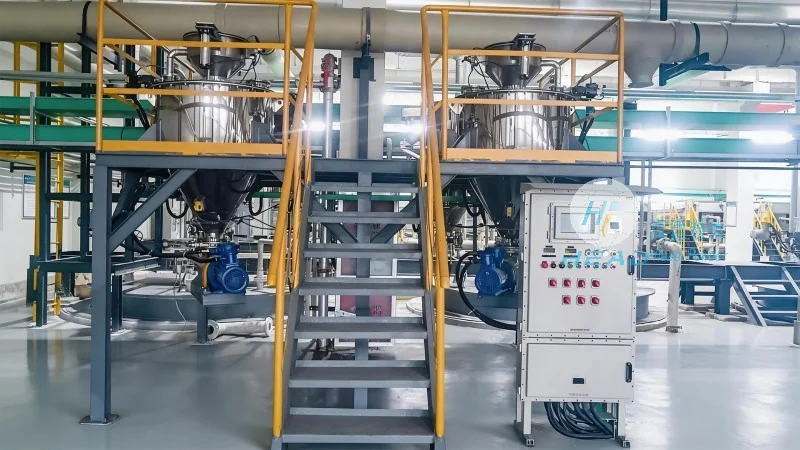
Pneumatic conveying systems utilize air or other gases to transport mica sand particles through a pipeline. This method is particularly suitable for handling fine to medium-sized mica sand particles and is widely used in industries where dust control and contamination prevention are critical. The primary advantage of pneumatic conveying is its ability to transport materials over long distances without the need for complex machinery or multiple transfer points. It also offers flexibility in routing, allowing for changes in the conveying path without significant modifications to the system. However, this method has several drawbacks. The high pressure required to move mica sand can lead to increased energy consumption and maintenance costs. Additionally, the system is susceptible to clogging if the mica sand particles are too large or have high moisture content, which can disrupt the entire conveying process. Moreover, the cost of installing and maintaining pneumatic systems is generally higher compared to other methods, making it less economical for smaller-scale operations.
2. Screw Conveyors
Screw conveyors, also known as auger conveyors, are mechanical devices that use a rotating screw to move mica sand along a trough. This method is ideal for handling bulk quantities of mica sand and is commonly used in applications where the material needs to be elevated or moved horizontally. One of the key advantages of screw conveyors is their simplicity and low maintenance requirements. They are relatively inexpensive to install and operate, making them a cost-effective solution for many industrial settings. Screw conveyors also provide a continuous and uniform flow of mica sand, which helps maintain consistent product quality. However, these systems have limitations. They are not suitable for transporting very fine or abrasive mica sand particles, as the screw and trough can wear out quickly, leading to increased maintenance and replacement costs. Additionally, screw conveyors are prone to clogging if the mica sand contains high levels of moisture or foreign debris, which can cause operational issues and downtime. The design of the screw and trough also limits the conveying distance, typically to a few meters or less, unless multiple units are used in series.

3. Belt Conveyors
Belt conveyors are another common method for transporting mica sand, utilizing a continuous belt that moves over rollers to carry the material. This system is highly effective for long-distance and high-volume transport of mica sand, making it suitable for large-scale industrial operations. The main advantage of belt conveyors is their ability to handle large quantities of material with minimal labor. They can transport mica sand over considerable distances without significant loss of material or quality. Belt conveyors also offer flexibility in terms of the conveying path, allowing for horizontal, inclined, or even vertical transport with appropriate adjustments. However, belt conveyors have their own set of disadvantages. The initial cost of installation is relatively high, and ongoing maintenance is required to ensure the belt remains in good condition. The system is also susceptible to belt slippage or breakage, especially when handling abrasive mica sand particles, which can lead to material spillage and operational disruptions. Additionally, belt conveyors require regular cleaning and inspection to prevent the buildup of dust or debris, which can affect the efficiency and longevity of the system.

4. Hydraulic Conveying
Hydraulic conveying systems use water or other liquids to transport mica sand particles through a pipeline. This method is particularly effective for handling fine mica sand and is commonly used in applications where the material needs to be transported over long distances with minimal pressure. The primary advantage of hydraulic conveying is its ability to transport mica sand without the need for high-pressure air or mechanical components, reducing energy consumption and maintenance costs. It also provides a smooth and continuous flow of material, which helps maintain the integrity of the mica sand particles. However, this method has significant drawbacks. The use of water can lead to moisture contamination of the mica sand, which may affect its properties in applications where dryness is critical. The system also requires regular cleaning and maintenance to prevent clogging and corrosion, as the water can carry abrasive particles that wear down the pipeline and components. Additionally, the cost of water treatment and disposal may increase operational expenses, making hydraulic conveying less economical for certain industrial applications.
5. Gravity Conveying
Gravity conveying relies on the natural force of gravity to move mica sand down a sloped surface or chute. This method is simple and inexpensive, making it suitable for short-distance transport of mica sand where the material can be easily guided by gravity. The main advantage of gravity conveying is its low cost and minimal maintenance requirements. It does not require any power or mechanical components, reducing energy consumption and operational costs. Gravity conveyors are also highly reliable, as they are not susceptible to mechanical failures or clogging. However, this method has significant limitations. It is only suitable for short distances and requires a steep enough slope to ensure the mica sand moves efficiently. The system is also dependent on the material's density and angle of repose, which can vary based on the mica sand's moisture content and particle size. If the slope is too shallow, the mica sand may not move at all, leading to operational issues. Additionally, gravity conveyors are not suitable for transporting mica sand over long distances or in applications where the material needs to be elevated or moved horizontally, as the required slope would be impractical or impossible to achieve.
6. Comparison and Selection Criteria
When selecting a mica sand conveying method, several factors must be considered to ensure the best fit for a specific application. The first consideration is the material's properties, such as particle size, moisture content, and abrasiveness. Fine or abrasive mica sand may require more robust systems like pneumatic or belt conveyors, while less abrasive materials can be handled by screw or gravity systems. The second factor is the distance and layout of the conveying path. Long-distance transport may necessitate pneumatic or belt conveyors, while short-distance transport can use screw or gravity systems. The third factor is the budget and maintenance requirements. Lower-cost options like screw or gravity conveyors may be suitable for smaller operations, while pneumatic or belt systems are better for larger-scale industrial applications. Finally, the environmental and safety considerations must be taken into account. Systems that minimize dust and contamination, such as enclosed pneumatic or belt conveyors, are preferred in applications where environmental regulations are strict. By carefully evaluating these factors, industrial operators can choose the most appropriate mica sand conveying method to optimize their processes and ensure efficient material handling.