

What is a Polycarbonate Material Handling System? What are the Design Principles?
A polycarbonate material handling system is a specialized setup designed to transport, store, and manage materials using components made from polycarbonate, a durable and lightweight thermoplastic. This type of system is widely used in various industries, including manufacturing, logistics, and automation, due to polycarbonate's excellent properties such as impact resistance, transparency, and chemical stability. The system typically includes conveyors, storage bins, and control mechanisms, all engineered to handle a range of materials efficiently and safely. By leveraging polycarbonate's unique characteristics, these systems offer enhanced durability and performance compared to traditional materials like metal or plastic.

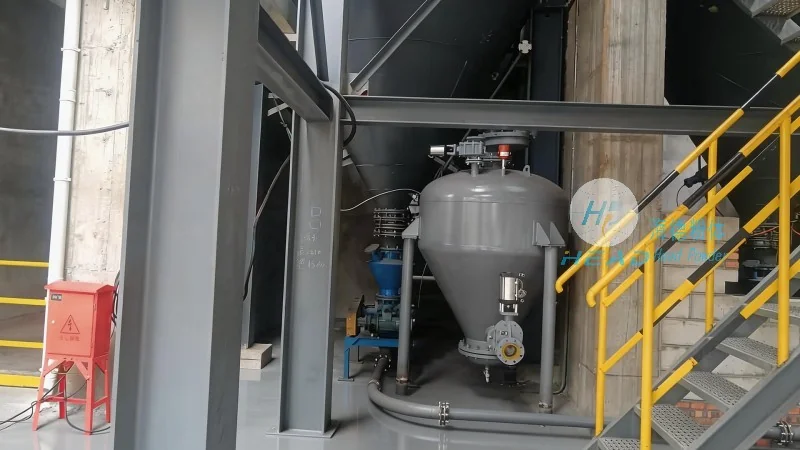
Design Principles of Polycarbonate Material Handling Systems
The design of a polycarbonate material handling system is guided by several key principles to ensure optimal functionality and longevity. First, structural integrity is paramount; the system must withstand the mechanical stresses of material handling while maintaining its shape and strength. Polycarbonate's high impact resistance makes it ideal for this, as it can absorb and dissipate energy from impacts without cracking or breaking. Second, material compatibility is critical. The system must be compatible with the types of materials being handled, whether they are powders, granules, or other bulk materials. Polycarbonate's chemical resistance allows it to resist corrosion from many substances, ensuring the system remains effective over time. Third, operational efficiency is a key design consideration. The system is designed to minimize downtime and maximize throughput. This involves optimizing the flow of materials through the system, using efficient conveyor designs, and integrating control systems that can adjust to varying loads. Additionally, the design emphasizes safety, incorporating features like protective barriers and emergency stop mechanisms to prevent accidents. The combination of these principles results in a system that is not only durable and reliable but also cost-effective and easy to maintain.

About Shandong HeadPowder Engineering Co., Ltd.
Headpowder, the brand under Shandong HeadPowder Engineering Co., Ltd., specializes in the design, manufacturing, and implementation of high-quality material handling systems. With a focus on innovation and customer-centric solutions, Headpowder has established itself as a leading provider in the industry. The company's headquarters is located in Shandong, China, where it leverages advanced technology and skilled expertise to develop cutting-edge solutions tailored to the needs of various sectors. Headpowder's polycarbonate material handling systems are engineered to meet the specific requirements of clients, ensuring that each system is optimized for performance, durability, and cost-effectiveness. By combining years of experience with a commitment to quality, Headpowder delivers systems that enhance operational efficiency and provide long-term value to its customers.

Key Features and Benefits of Polycarbonate Material Handling Systems
Polycarbonate material handling systems offer several distinct advantages that make them a preferred choice for many applications. One of the primary benefits is their durability. Polycarbonate can withstand repeated impacts and harsh environmental conditions, reducing the need for frequent replacements and maintenance. This longevity translates into lower long-term costs for businesses. Another advantage is the material's transparency. In systems where visibility is important, such as in monitoring the flow of materials or ensuring safety, polycarbonate allows for clear observation without compromising structural integrity. This is particularly useful in industries like pharmaceuticals or food processing, where hygiene and monitoring are critical. Additionally, polycarbonate is lightweight yet strong, which simplifies installation and reduces the load on supporting structures. This makes the systems easier to integrate into existing facilities and more cost-effective to transport and assemble. The chemical resistance of polycarbonate also prevents degradation from exposure to various substances, ensuring the system remains functional even in challenging environments. Overall, these features make polycarbonate material handling systems a reliable and efficient solution for material handling needs.